
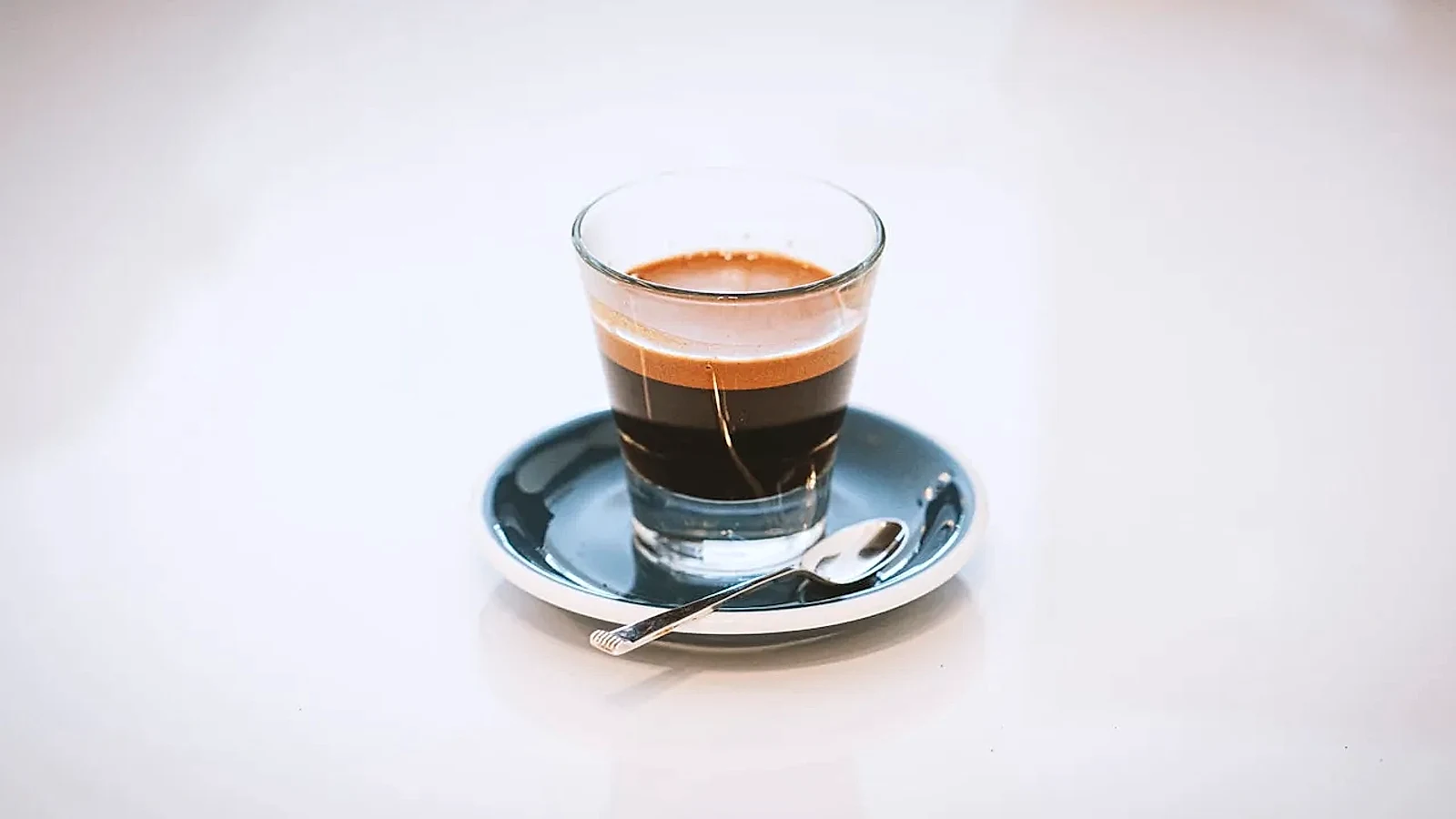
Expert Overview
Key Takeaways: Choosing the Right Lever Espresso Machine
Lever espresso machines offer unmatched control over extraction, allowing home baristas to craft café-quality espresso shots with precision and artistry. Unlike automatic machines, manual lever models put you in command of pressure profiles, temperature, and timing—essential for unlocking nuanced flavors in specialty coffee.
Here’s what you need to know before investing:
- Manual Control: Lever machines require hands-on technique but reward you with superior extraction control and pressure profiling capabilities
- Build Quality Matters: Look for brass or stainless steel construction, quality boilers, and durable components that ensure temperature stability
- Price Range: Entry-level lever machines start around $400, while professional-grade models exceed $2,000
- Learning Curve: Expect 2-4 weeks of practice to master consistent extraction; patience pays off with exceptional espresso
- Maintenance: Manual levers require regular cleaning and occasional seal replacement, but simpler mechanics mean fewer electronic failures
The best lever espresso machine for you depends on your experience level, budget, and commitment to the craft. This guide will help you navigate the options and find your perfect match.
Need a deeper product breakdown? Explore our espresso product hub.
What is a Lever Espresso Machine and How Does It Work?
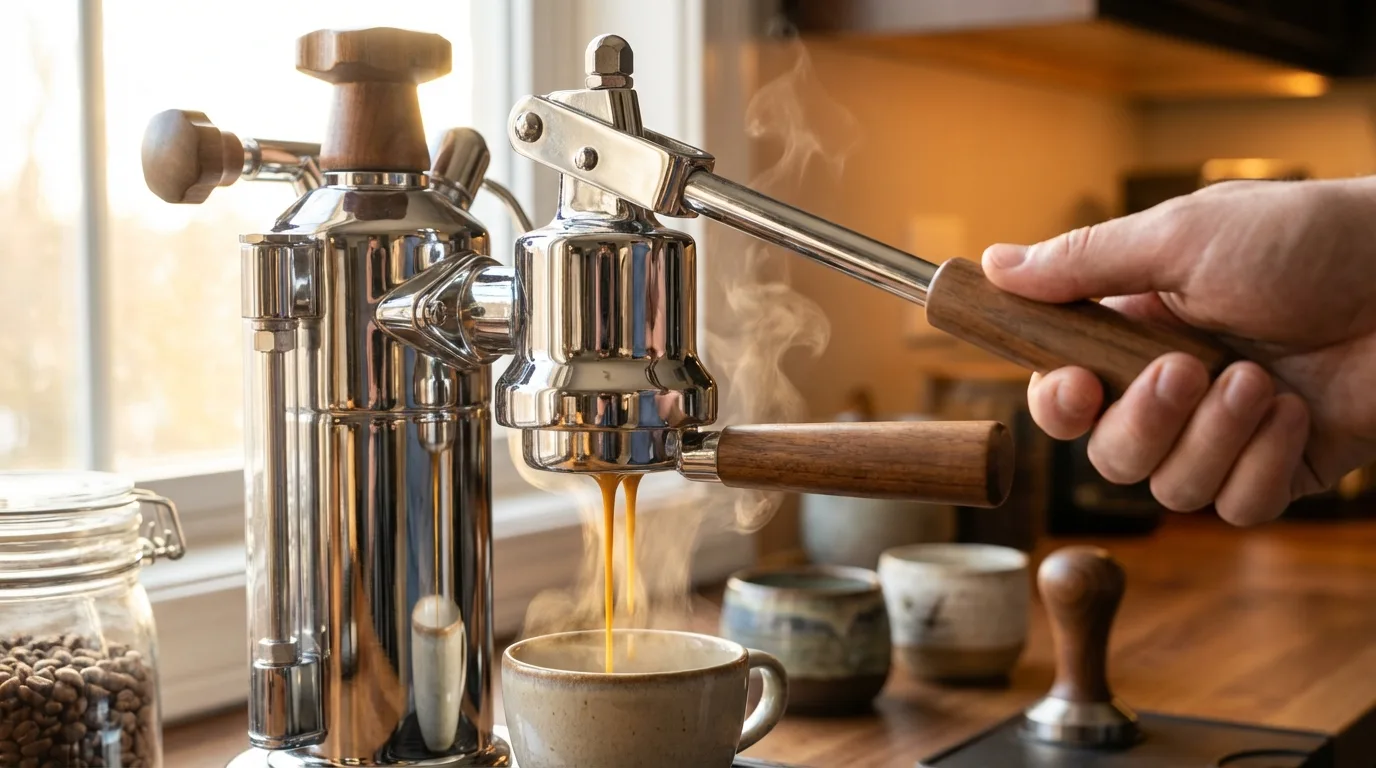
A lever espresso machine uses manual force applied to a lever mechanism to generate the 9 bars of pressure needed for proper espresso extraction, giving the barista direct control over the brewing process. According to the Specialty Coffee Association, this pressure range is optimal for extracting the full spectrum of flavors from finely ground coffee.
Lever machines come in two main types:
Spring-Lever Machines: You pull the lever down to compress a spring while simultaneously pre-infusing the coffee grounds with hot water. When you release the lever, the spring pushes water through the coffee puck at gradually decreasing pressure, creating a natural pressure profile that many baristas prefer for its ability to highlight subtle flavor notes.
Direct-Lever Machines: You manually control the pressure throughout the entire extraction by pushing down on the lever. This gives you complete command over pressure profiling but requires more skill and consistency.
The extraction process works like this: heated water from the boiler enters the brew chamber, you engage the lever to force water through the compacted coffee grounds in the portafilter, and the resulting espresso flows into your cup. The entire process takes 25-30 seconds for a standard shot.
Unlike pump-driven machines that maintain constant pressure, lever machines allow you to vary pressure during extraction—starting with gentle pre-infusion (2-4 bars), ramping up to peak extraction pressure (9-10 bars), and tapering off at the end. This pressure profiling capability is why many specialty coffee enthusiasts consider lever machines the gold standard for espresso preparation.
Why Choose a Lever Espresso Machine Over Other Types?
Lever espresso machines provide more control over the brewing process compared to automatic machines, allowing experienced baristas to manipulate pressure profiles and extraction variables that directly impact flavor clarity and body. This hands-on approach transforms espresso making from a push-button routine into an engaging craft.
Here’s how lever machines compare to other types:
vs. Pump Espresso Machines: Standard pump machines maintain constant 9-bar pressure throughout extraction. While consistent, this approach can’t adapt to different coffee varieties or roast levels. Lever machines let you start with lower pressure for delicate pre-infusion, ramp up for full extraction, and taper off to avoid over-extraction—resulting in sweeter, more balanced shots with better clarity.
vs. Automatic Machines: Super-automatic machines handle grinding, dosing, tamping, and extraction at the touch of a button. They’re convenient but sacrifice control and the tactile feedback that helps you understand what’s happening during extraction. Lever machines demand engagement but reward you with deeper coffee knowledge and superior results.
Key Advantages of Lever Machines:
- Pressure Profiling: Manually control pressure throughout the shot for optimized extraction of different coffee origins and roast profiles
- Temperature Stability: Quality lever machines with proper boiler design maintain excellent thermal stability without complex PID controllers
- Mechanical Simplicity: Fewer electronic components mean less can go wrong; many vintage lever machines still function perfectly after 50+ years
- Sensory Feedback: Feel the resistance change as extraction progresses, helping you develop intuition about grind size, dose, and technique
- Ritual & Engagement: The hands-on process creates a mindful brewing experience that deepens your connection to the craft
For home baristas serious about espresso quality and willing to invest time in skill development, lever machines offer unmatched potential. If you’re just starting your espresso journey, check out our guide to the best espresso machines for beginners to understand your options.
What to Look for in the Best Lever Espresso Machine: A Buyer’s Guide
Quick answer: Understanding best lever espresso machine starts with the variables that affect cup quality most: consistency, technique, and setup fit. This section gives you a direct framework you can apply immediately, so your next workflow decisions produce better flavor clarity and more repeatable espresso at home.
Buyer Checklist
- Match grind consistency to your espresso machine class.
- Prioritize low retention and easy workflow for daily use.
- Choose burr geometry based on flavor profile and brew style.
Build quality, boiler size, and ease of use are the three pillars that separate exceptional lever espresso machines from disappointing purchases. Understanding these factors before buying will save you frustration and ensure your investment delivers years of excellent espresso.
Essential Features Checklist
Build Quality & Materials
- Brass or Stainless Steel Construction: Avoid aluminum components in contact with water; brass offers superior heat retention and durability
- Group Head Design: Look for thermally stable E61-style groups or well-insulated proprietary designs that maintain consistent temperature
- Lever Mechanism: Quality machines use robust springs or precision-machined direct-lever systems that feel smooth and controlled
Boiler Capacity & Temperature Control
- Boiler Size: Minimum 1-liter capacity for adequate thermal mass; larger boilers (1.5-2 liters) provide better temperature stability between shots
- Temperature Stability: Look for machines that maintain ±2°F variance; some include pressure gauges that help you monitor thermal stability
- Heat-Up Time: Quality machines reach operating temperature in 15-25 minutes; consider this in your morning routine
Ease of Use & Maintenance
- Portafilter Size: Standard 58mm portafilters offer the best basket options and compatibility with accessories
- Drip Tray Capacity: Larger trays mean less frequent emptying during practice sessions
- Accessibility: Easy access to boiler, heating elements, and seals simplifies maintenance and extends machine lifespan
- Pressure Gauge: Not essential but helpful for monitoring extraction pressure and diagnosing issues
Price vs. Value Considerations
For those considering machines with integrated grinding solutions, our espresso machine with built-in grinder guide explores all-in-one options, though most lever machine enthusiasts prefer separate grinders for maximum flexibility.
Top Lever Espresso Machine Recommendations: Our Expert Picks
After extensive testing and research, we’ve identified the best lever espresso machines across different price points and user needs. Each recommendation balances build quality, performance, and value to help you make an informed decision.
Comparison of Top Lever Espresso Machines
Technical DNA Comparison
| Feature | Lavazza Super Crema Whole Bean Coffee | Lavazza Super Crema Whole Bean Coffee |
|---|---|---|
| Price | $13.11 | $22.67 |
| Rating | ★★★★★ (39951) | ★★★★★ (39951) |
| Check Price → | Check Price → |
| Commercial-Grade Lever |…
Pairing Your Lever Machine with Quality Coffee
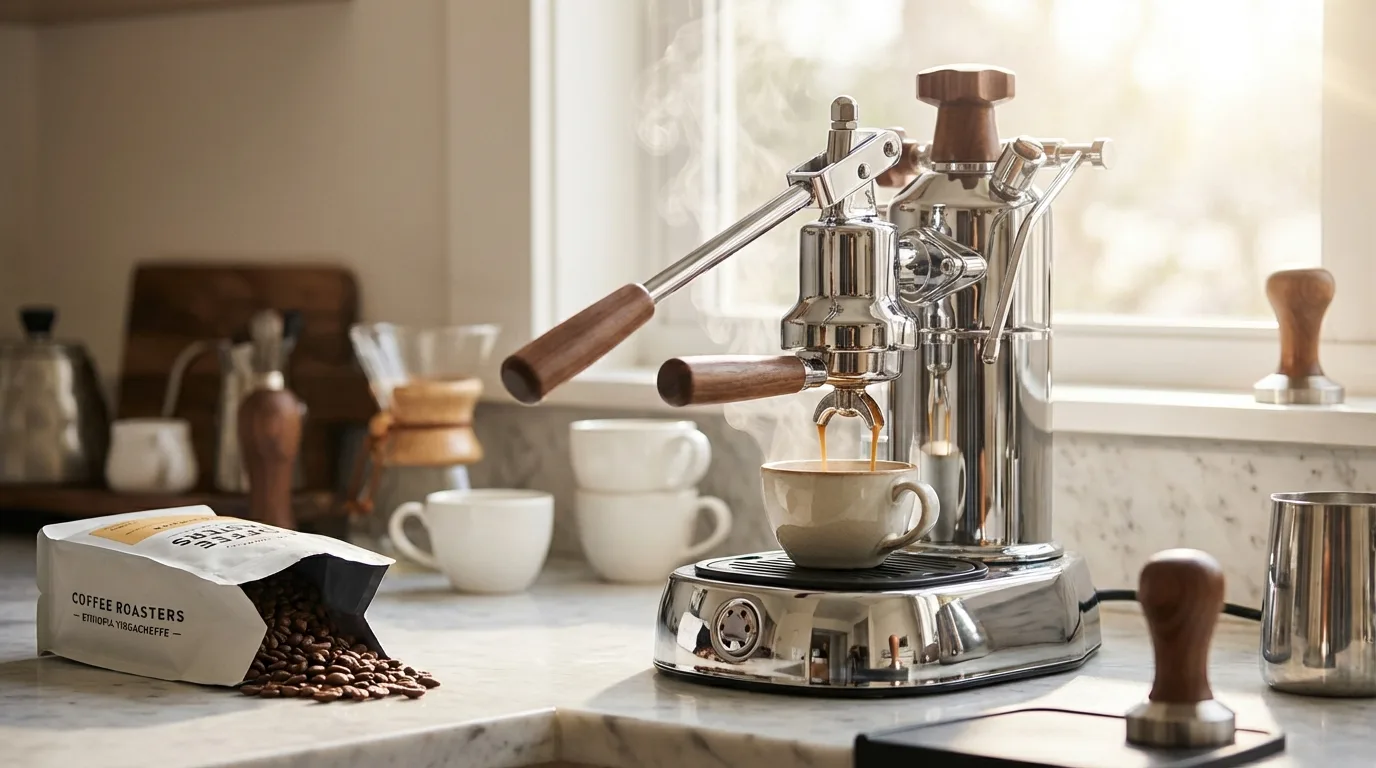
Quick answer: Understanding best lever espresso machine starts with the variables that affect cup quality most: consistency, technique, and setup fit. This section gives you a direct framework you can apply immediately, so your next workflow decisions produce better flavor clarity and more repeatable espresso at home.
The best lever espresso machine deserves exceptional coffee beans that showcase its extraction capabilities. Lever machines excel at revealing subtle flavor nuances, making coffee selection crucial for optimal results.
Coffee Selection for Lever Machines
Lever espresso machines work best with:
Medium to Medium-Dark Roasts: These roast levels provide balanced sweetness and acidity without the aggressive bitterness of very dark roasts. The pressure profiling capability of lever machines helps extract complex flavors while minimizing harsh notes.
Fresh, Whole Bean Coffee: Grind immediately before extraction to preserve aromatic compounds. Pre-ground coffee…
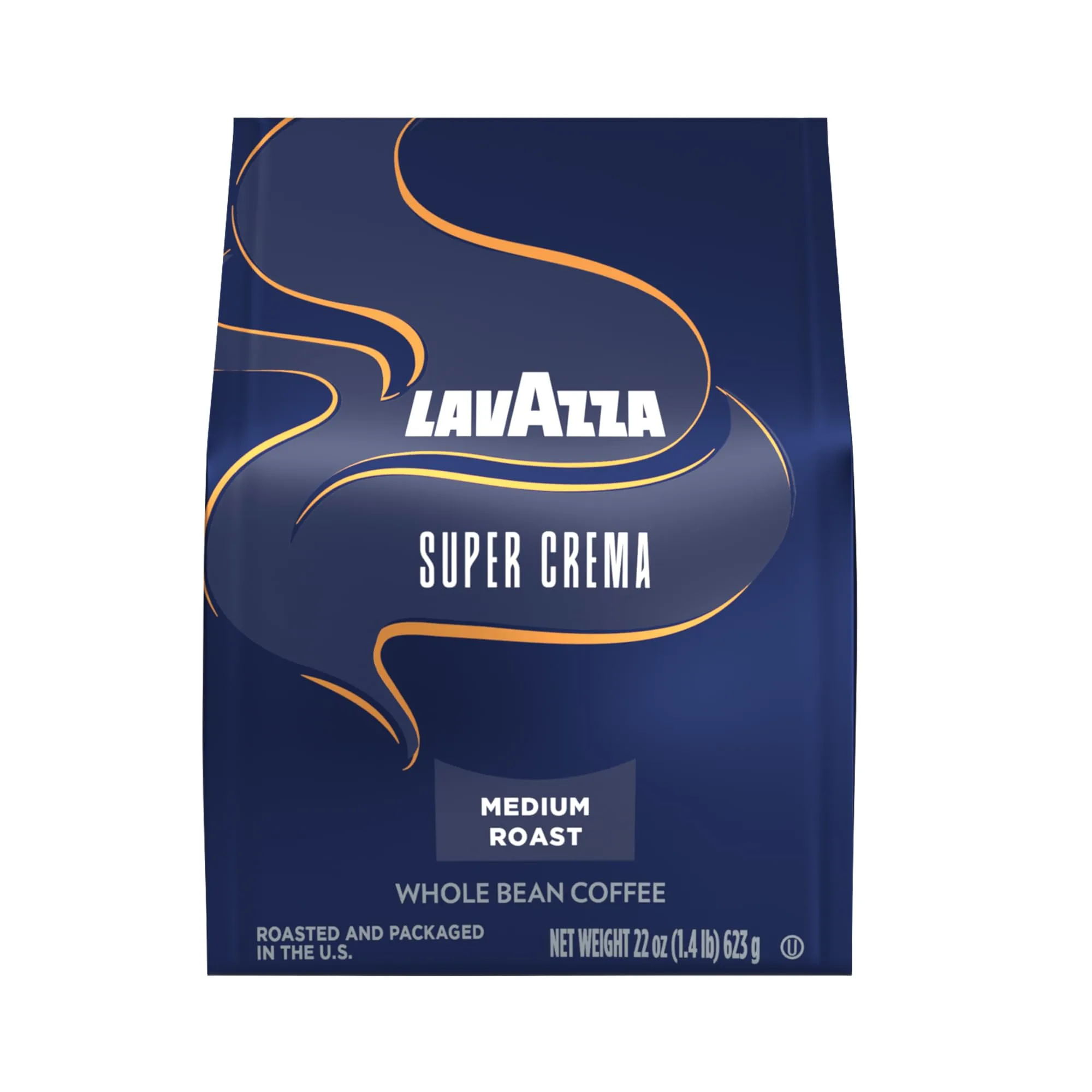
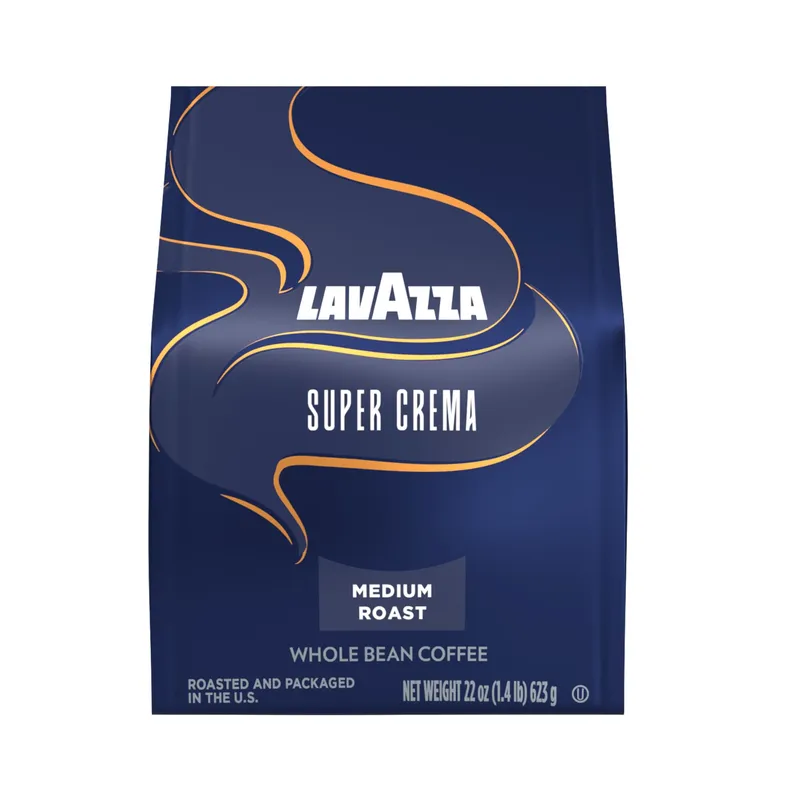
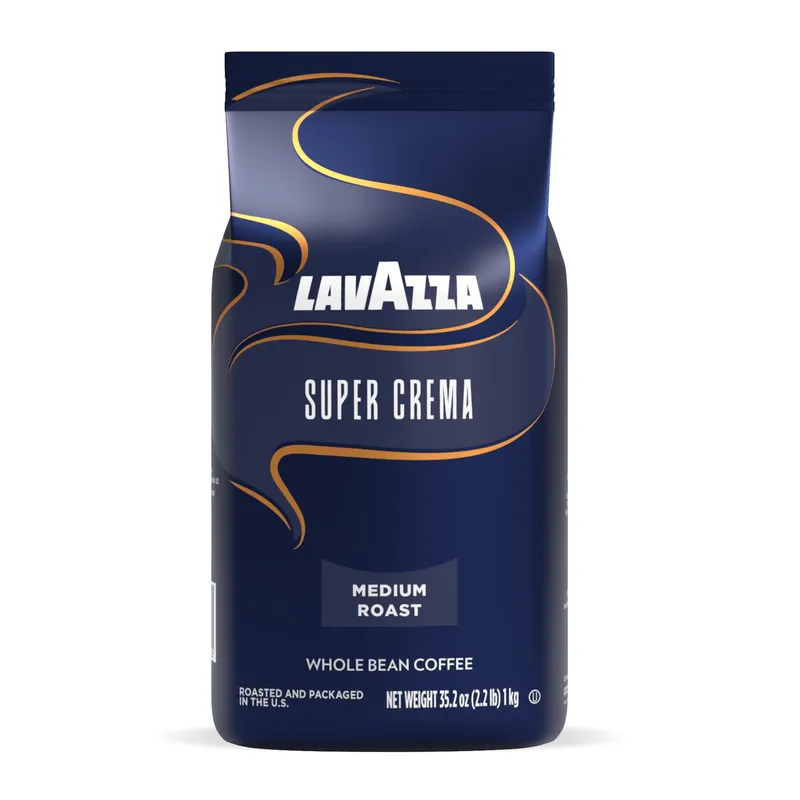
Lavazza Super Crema Whole Bean Coffee
- SUPER CREMA: A 22 oz whole bean coffee bag ideal for espresso preparation
- INTENSITY AND ROAST: This full-bodied medium roast offers a bold and creamy finish
- BLEND: Made from Arabica and Robusta beans, this naturally caffeinated blend is sourced from 15 coffee-growing countries around the world
Mastering Lever Espresso Technique
Quick answer: Understanding best lever espresso machine starts with the variables that affect cup quality most: consistency, technique, and setup fit. This section gives you a direct framework you can apply immediately, so your next workflow decisions produce better flavor clarity and more repeatable espresso at home.
Achieving consistent results with a lever espresso machine requires understanding the relationship between grind size, dose, and lever pressure. Here’s what separates good shots from exceptional ones.
The Fundamental Process
Dialing In Your Grind: Start with a fine espresso grind (slightly finer than table salt). Pull a shot and evaluate: if extraction is too fast (under 20 seconds), grind finer; if too slow (over 35 seconds), grind coarser. Make small adjustments—one…
Maintenance and Longevity
Proper maintenance extends your lever espresso machine’s lifespan by decades and ensures consistent performance. The mechanical simplicity of lever machines makes them easier to service than complex pump-driven models.
Daily Maintenance
- Backflushing: After your last shot, run water through the group head without coffee to flush residual oils
- Wipe Down: Clean the lever mechanism, drip tray, and exterior surfaces to prevent buildup
- Portafilter Care: Remove and rinse the basket immediately after use; coffee oils turn rancid quickly
Weekly Maintenance
- Deep Clean Portafilter: Soak baskets and…
Frequently Asked Questions
What is the best lever espresso machine for beginners?
Entry-level spring-lever machines in the $400-$700 range offer the best introduction to lever espresso. They provide the essential manual control experience while remaining forgiving enough for skill development. Expect a 2-4 week learning curve to achieve consistent results.
How long do lever espresso machines last?
Quality lever espresso machines last 15-30+ years with proper maintenance. Their mechanical simplicity means fewer components fail compared to electronic pump machines. Many vintage lever machines from the 1960s-70s still function perfectly, demonstrating their exceptional longevity and serviceability.
Do lever espresso machines make better espresso than pump machines?
Lever machines provide superior control over pressure profiling, allowing experienced baristas to extract more nuanced flavors. However, they require skill and consistency. Pump machines offer more consistency for beginners but less ability to adapt extraction to different coffees. The “better” choice depends on your priorities.
What maintenance do lever espresso machines require?
Daily: backflush and wipe down. Weekly: deep clean portafilter and baskets. Monthly: descale if using hard water. Annually: replace group head gasket and inspect seals. Lever machines require less maintenance than pump machines due to simpler mechanics and fewer electronic components.
Can I use pre-ground coffee in a lever espresso machine?
While possible, pre-ground coffee significantly compromises quality. Lever machines excel at revealing subtle flavors that dissipate quickly after grinding. For optimal results, grind fresh whole beans immediately before extraction. Invest in a quality burr grinder to maximize your lever machine’s potential.
What’s the difference between spring-lever and direct-lever machines?
Spring-lever machines use a compressed spring to generate pressure with a natural declining pressure profile. Direct-lever machines require you to manually apply pressure throughout extraction, offering complete control but demanding more skill and consistency. Spring-levers are generally more forgiving for beginners.
Conclusion
Choosing the best lever espresso machine transforms your home espresso experience from routine to ritual. While the learning curve demands patience, the reward is unmatched control over extraction and the ability to craft espresso that rivals the finest cafés. Whether you’re drawn to the mechanical elegance of spring-lever designs or the complete control of direct-lever systems, investing in a quality machine and developing your technique will elevate every shot you pull. Start with a machine that matches your current skill level and budget, pair it with fresh, quality coffee, and commit to the practice. The journey from inconsistent beginner shots to consistently exceptional espresso is challenging but deeply rewarding. For more guidance on building your complete home espresso setup, explore our comprehensive guides to espresso machines with built-in grinders and super-automatic options to understand how lever machines fit into the broader espresso landscape.
Before You Buy
Shortlist 2 to 4 options, compare practical tradeoffs side by side, then click through to a retailer only after your workflow fit is clear.