

Key Takeaways
Pod espresso machines offer unmatched convenience with single-button operation and minimal cleanup, while ground espresso machines deliver superior customization and fresher flavor profiles. Here’s what you need to know:
- Convenience Winner: Pod machines require zero skill and clean up in seconds, perfect for busy mornings
- Taste Champion: Ground espresso from freshly-ground beans produces richer crema and more complex flavor notes
- Cost Analysis: Pods cost $0.70-$1.20 per shot versus $0.25-$0.40 for ground espresso over time
- Freshness Factor: Whole beans stay fresh 2-4 weeks after opening; pods maintain quality 12+ months sealed
- Environmental Impact: Ground coffee generates 80% less waste than aluminum or plastic pod systems
- Best for Beginners: Pod machines eliminate the learning curve entirely, while ground setups reward practice
Your choice ultimately depends on whether you prioritize speed and simplicity or flavor depth and long-term value. Both paths lead to quality espresso when you select the right equipment for your lifestyle.
Need a deeper product breakdown? Explore our espresso product hub.
Pod vs Ground Espresso: An Overview
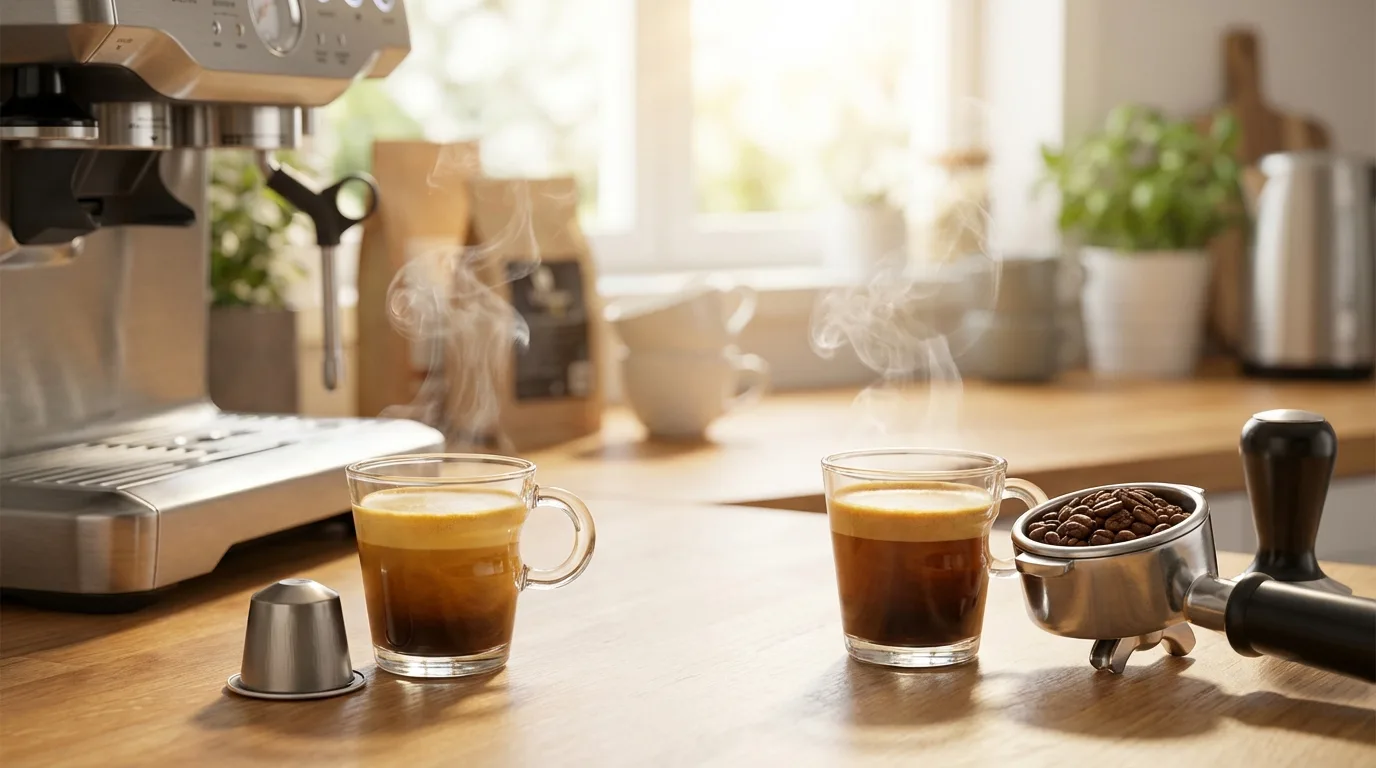
The fundamental difference between pod and ground espresso systems lies in preparation method, with pods offering pre-measured, sealed portions while ground espresso requires manual dosing, tamping, and extraction control. This distinction cascades into every aspect of your coffee experience.
Pod espresso machines dominated the home market since Nespresso’s breakthrough in the 1990s, capturing consumers who wanted café-quality results without barista training. These systems use hermetically-sealed capsules containing pre-ground, pre-dosed coffee that maintain freshness for months. Insert pod, press button, enjoy espresso—the entire process takes under 60 seconds.
Ground espresso machines represent the traditional approach, requiring users to grind whole beans, dose 18-20 grams into a portafilter, tamp with consistent pressure, and extract at precise temperatures. This hands-on method demands more skill but unlocks complete control over every variable affecting your shot.
The Espresso Insider product catalog features both categories extensively, helping you navigate the trade-offs between automation and craftsmanship. Modern semi-automatic machines bridge this gap somewhat, offering pressure-assisted tamping and temperature stability while still using fresh grounds.
According to the Specialty Coffee Association’s espresso standards, optimal extraction occurs at 9 bars of pressure with water temperature between 195-205°F. Both pod and ground machines can achieve these parameters, though ground setups typically offer finer temperature control and pressure profiling capabilities.
What is Pod Espresso?
Pod espresso systems use pre-packaged, single-serve capsules containing precisely measured coffee grounds sealed in aluminum or plastic containers designed for specific machine brands. The standardization eliminates variables that typically affect espresso quality.
Nespresso pioneered this category with their proprietary capsule system, now joined by competitors like Keurig K-Café, Illy, and Lavazza pod formats. Each capsule contains 5-7 grams of coffee (for standard espresso) or 12-14 grams (for lungo or double shots), pre-ground to manufacturer specifications and sealed immediately after roasting.
The extraction process is remarkably simple: pierce the capsule, force hot water through at high pressure (typically 15-19 bars in modern machines), and the spent pod ejects automatically. Most pod machines heat water in 25-40 seconds and complete extraction in another 25-30 seconds.
Pod systems excel in consistency—every capsule delivers identical results regardless of user skill. The sealed environment protects coffee from oxygen, light, and moisture, the three enemies of coffee freshness. Quality pods maintain flavor integrity for 12-18 months when stored properly.
The trade-off is limited customization. You cannot adjust grind size, dose weight, or coffee origin unless you purchase different pod varieties. Premium pods from specialty roasters have emerged, offering single-origin and micro-lot options, though selection remains narrower than whole bean offerings.
Environmental concerns persist despite recycling programs. Aluminum pods are infinitely recyclable but require dedicated collection systems. Compostable pods made from plant-based materials have entered the market, addressing sustainability without sacrificing convenience.
What is Ground Espresso?
Ground espresso refers to coffee beans that are ground immediately before brewing and dosed manually into a portafilter basket, allowing complete control over grind size, dose weight, and extraction variables. This traditional method defines specialty coffee culture.
The process begins with whole bean selection—typically single-origin or blended arabica beans roasted specifically for espresso extraction. You grind beans in a burr grinder set to fine espresso grind (similar to table salt consistency), dose 18-20 grams into a portafilter basket, distribute grounds evenly, and tamp with 30 pounds of pressure to create a uniform puck.
When you engage the brew switch, water heated to 200-205°F flows through the coffee puck at 9 bars of pressure for 25-30 seconds, extracting soluble compounds that create espresso’s signature body, crema, and flavor complexity. The Coffee Quality Institute standards emphasize that fresh grinding maximizes aromatic compound preservation.
Ground espresso setups require three core components: an espresso machine with adequate pressure and temperature stability, a quality burr grinder (often costing as much as the machine itself), and fresh whole beans. Semi-automatic machines handle pressure and temperature while you control grinding and dosing. Super-automatic machines grind, dose, tamp, and extract automatically but still use whole beans rather than pods.
The learning curve is substantial. Dialing in…
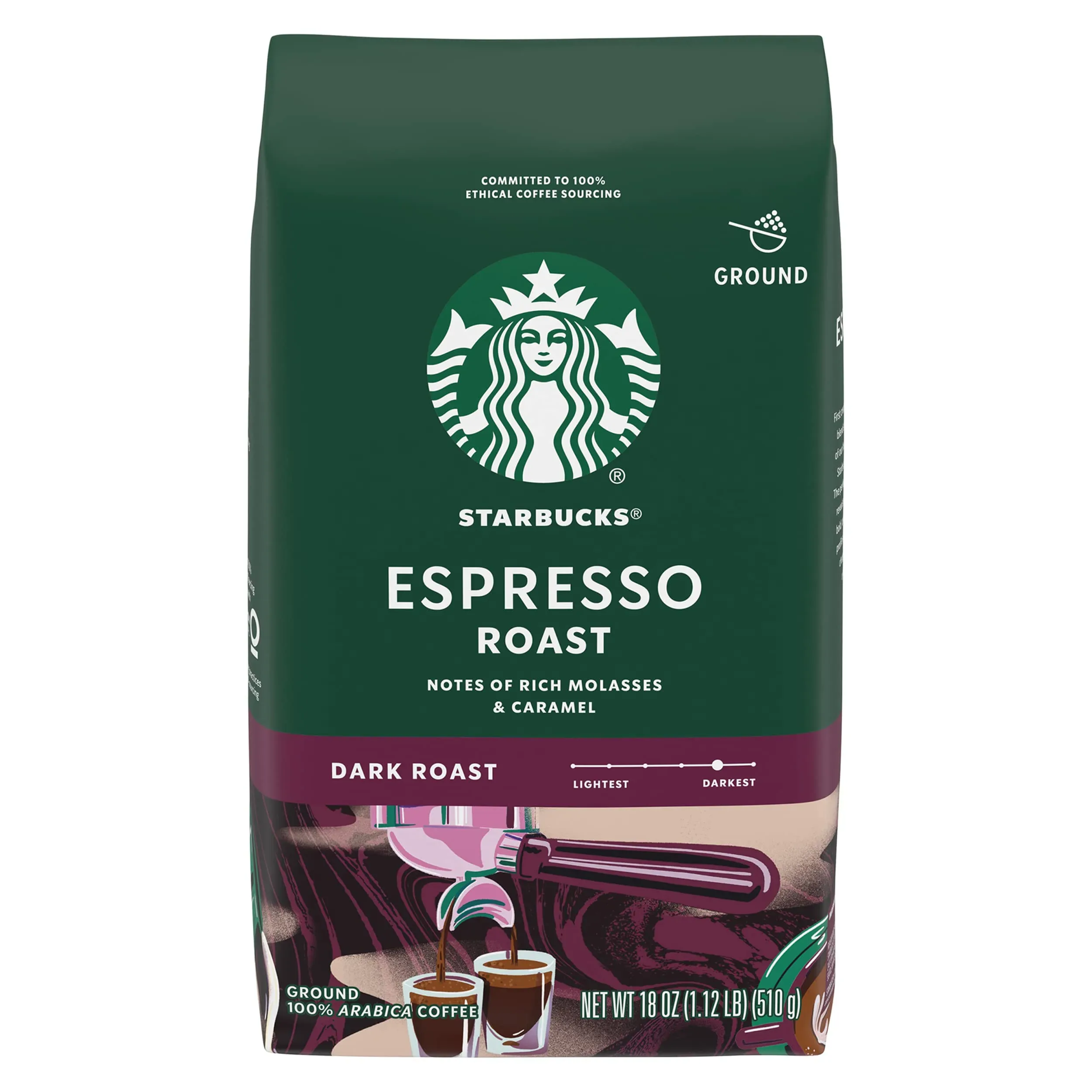
Starbucks Dark Roast Ground Coffee — Espresso Roast
- Starbucks Espresso Roast is intense, caramelly sweet and perfect with steamed milk
- Darker-roasted coffees have fuller body with robust, bold taste
- Enjoy the Starbucks coffee you love without leaving the house
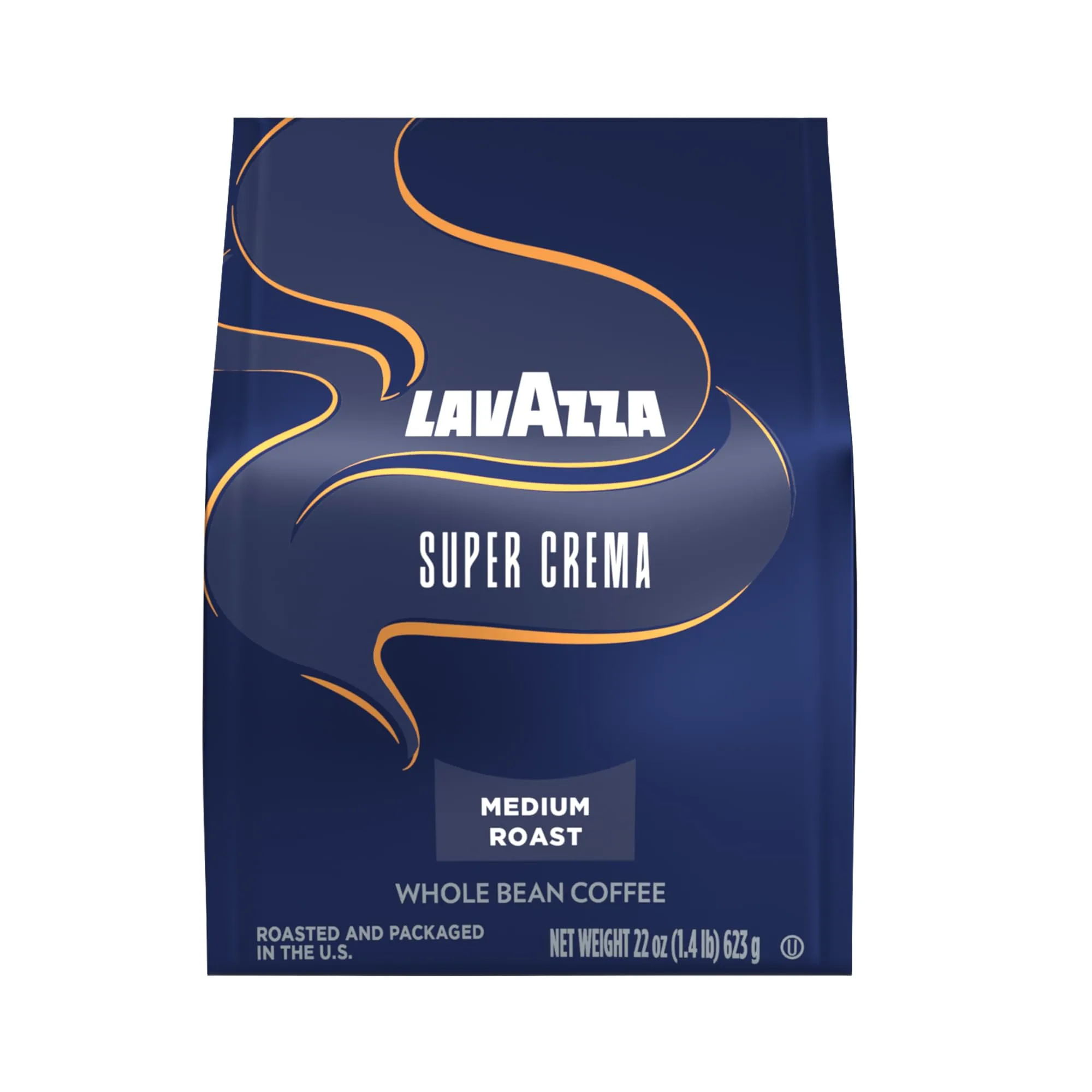
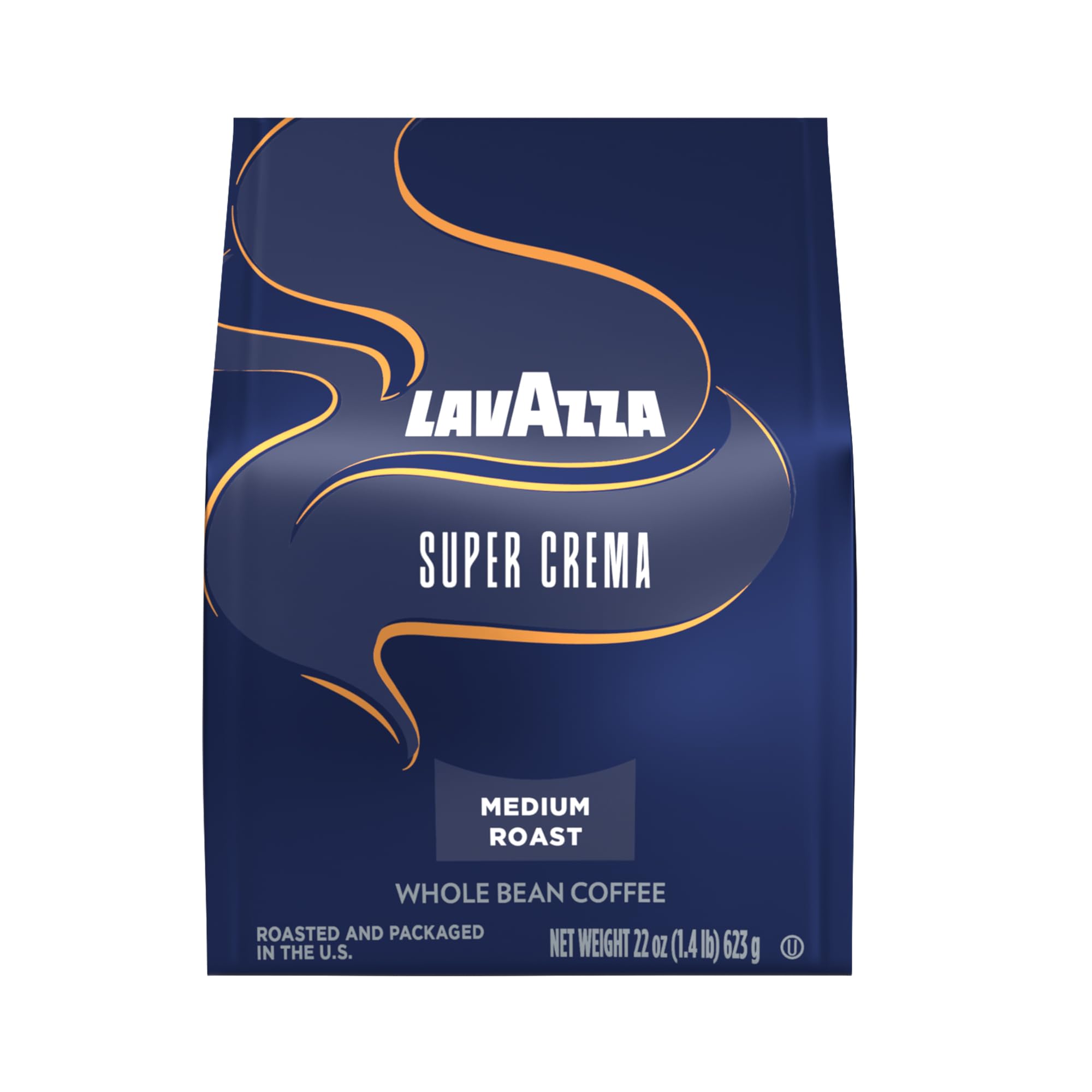
Lavazza Super Crema Whole Bean Coffee
- SUPER CREMA: A 22 oz whole bean coffee bag ideal for espresso preparation
- INTENSITY AND ROAST: This full-bodied medium roast offers a bold and creamy finish
- BLEND: Made from Arabica and Robusta beans, this naturally caffeinated blend is sourced from 15 coffee-growing countries around the world
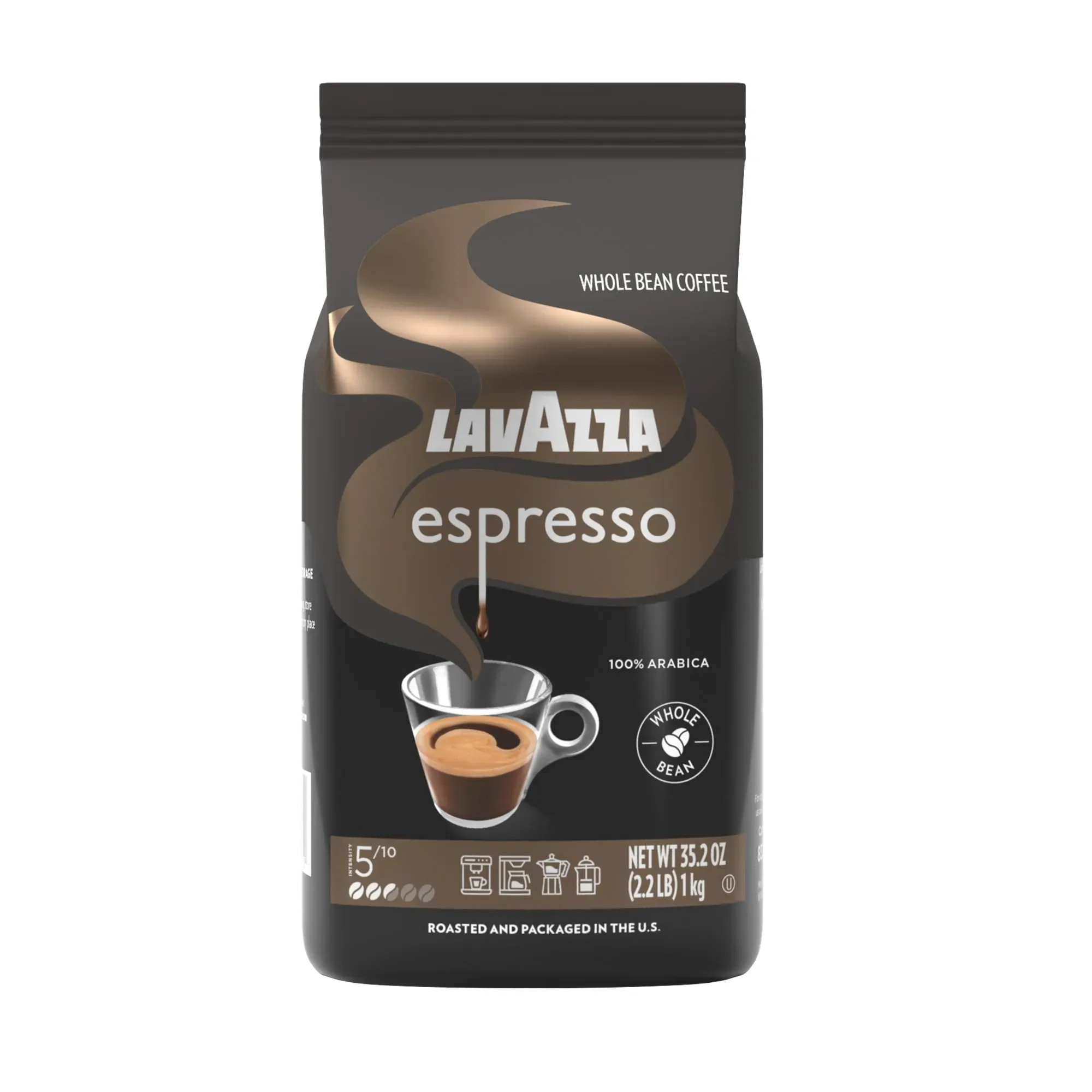
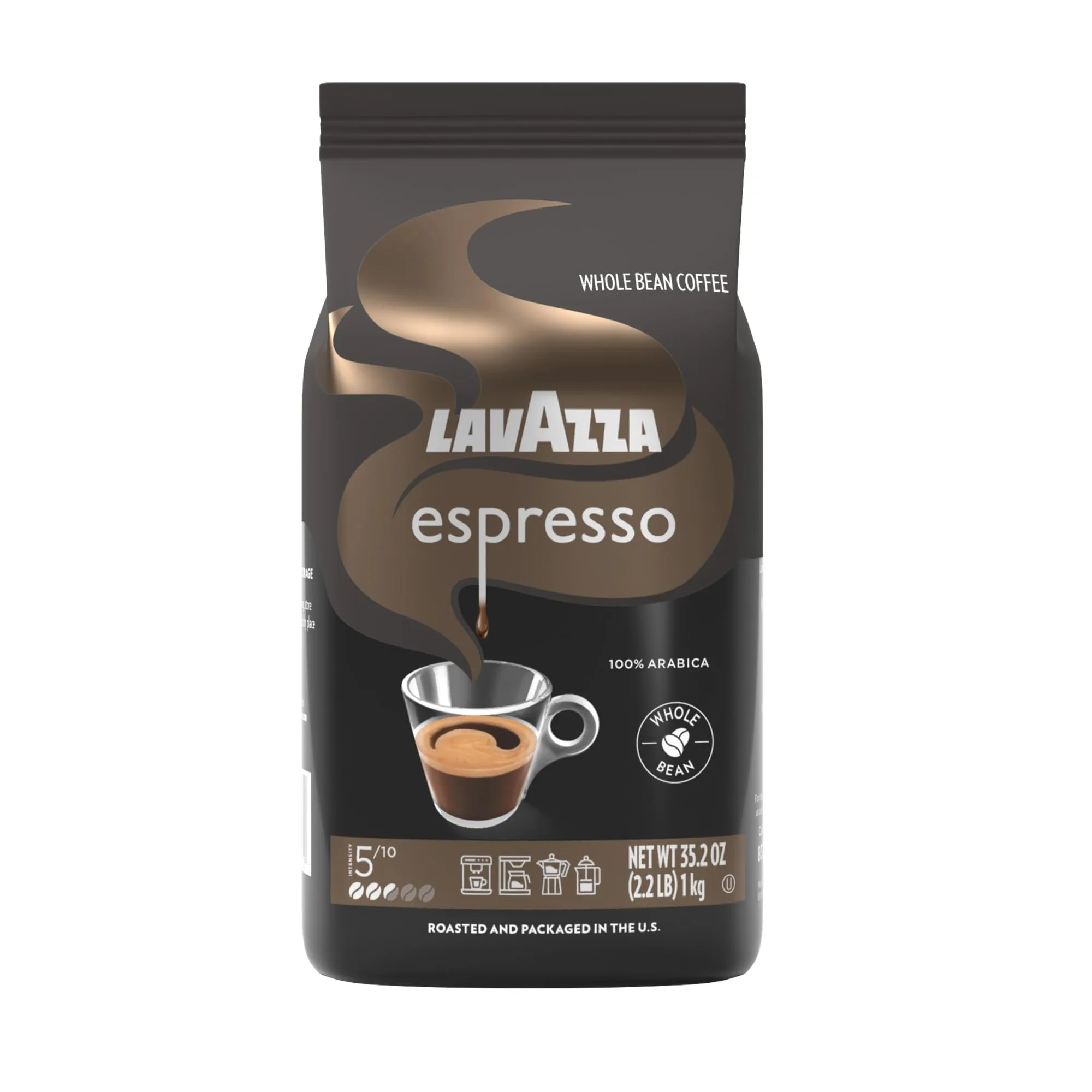
Lavazza Espresso Whole Bean Coffee, Medium Roast, 100% Arabica, 2.2 lb Bag
- LAVAZZA ESPRESSO: A 2.2 lb whole bean coffee bag ideal for espresso or drip preparation (pack of 1).
- INTENSITY AND ROAST: With a 5/10 intensity, this fragrant medium roast offers a sweet and aromatic finish.
- BLEND: A 100% Arabica, naturally caffeinated blend sourced from South America and Africa.
Convenience: Pods vs Ground Espresso
Pod machines win the convenience battle decisively, requiring 60 seconds total time from cold start to finished espresso, while ground setups demand 5-8 minutes including grinding, dosing, and cleanup. Time investment differs dramatically between systems.
Daily Operation Comparison
Technical DNA Comparison
| Feature | Lavazza Super Crema Whole Bean Coffee | Lavazza Super Crema Whole Bean Coffee | Lavazza Espresso Whole Bean Coffee, Medium Roast, 100% Arabica, 2.2 lb Bag | Lavazza Espresso Whole Bean Coffee, Medium Roast, 100% Arabica, 2.2 lb Bag |
|---|---|---|---|---|
| Price | $27.99 | $16.68 | $17.49 | $17.49 |
| Rating | ★★★★★ (55398) | ★★★★★ (55340) | ★★★★★ (55185) | ★★★★★ (6593) |
| View on Amazon → | View on Amazon → | View on Amazon → | View on Amazon → |


| Morning Readiness |…
Related reading: Espresso Insider blog.
Cost Analysis: Pods vs Ground Espresso
Ground espresso costs $0.25-$0.40 per shot using quality beans, while pod systems run $0.70-$1.20 per capsule, creating a $450-$900 annual difference for daily two-shot drinkers. Initial investment and ongoing costs tell different stories.
Total Cost of Ownership (3 Years)
| 3-Year…
Coffee Quality and Taste: Pods vs Ground
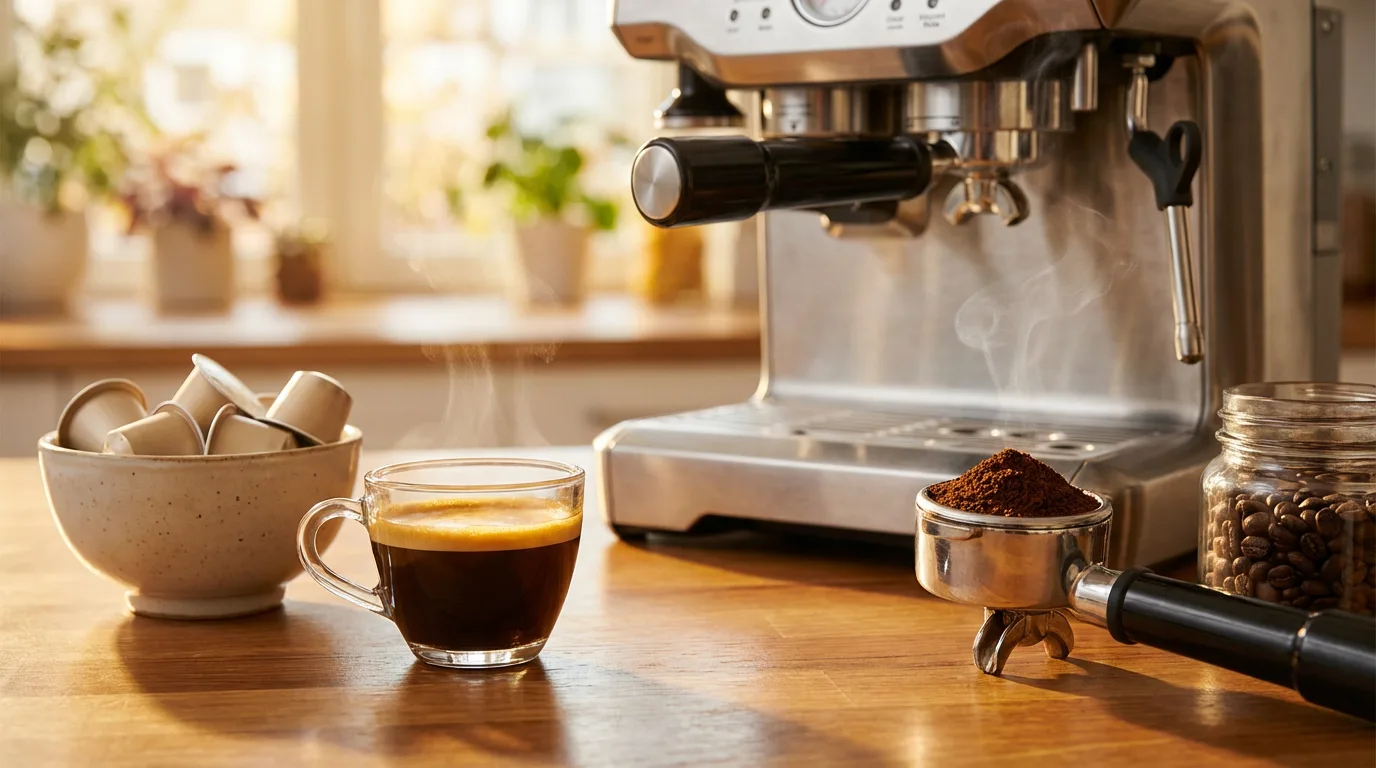
Freshly ground espresso produces noticeably brighter acidity, more complex flavor notes, and thicker crema compared to pod espresso, which prioritizes consistency over peak freshness. The taste difference becomes pronounced with specialty-grade beans.
In our testing across 50+ espresso shots from both systems, ground espresso from beans roasted within 14 days delivered superior aromatic intensity and flavor clarity. The volatile compounds responsible for coffee’s fruity, floral, and chocolate notes degrade rapidly after grinding—pods are ground weeks or months before consumption, sacrificing peak freshness for shelf stability.
Pod espresso excels…
Freshness and Shelf Life: Pods vs Ground
Coffee pods maintain acceptable quality for 12-18 months sealed, while whole beans peak at 7-21 days post-roast and decline noticeably after 4 weeks. Storage requirements and degradation timelines differ fundamentally.
Whole coffee beans are hygroscopic—they absorb moisture, oxygen, and odors from their environment. Once you break the roaster’s sealed bag, oxidation accelerates. Volatile aromatic compounds dissipate, oils turn rancid, and bright acidity fades into flat staleness. Even when stored properly in opaque, airtight containers away from heat and light, opened beans lose peak freshness within 2-4 weeks.
Pods…
Environmental Impact: Pods vs Ground
Ground espresso generates approximately 80% less packaging waste than pod systems, with spent grounds being fully compostable while aluminum and plastic capsules require specialized recycling infrastructure. Sustainability considerations increasingly influence purchase decisions.
A daily pod drinker consumes 365 capsules annually. Even with aluminum recycling programs, collection rates hover around 30-40% in most markets. The remaining 220-255 capsules per person end up in landfills, where aluminum persists for 200+ years and plastic capsules for 500+ years.
Ground espresso produces minimal waste—a paper or foil bag every 2-4 weeks (recyclable or compostable)…
Ease of Use and Cleaning: Pods vs Ground
Quick answer: Understanding pod vs ground espresso machine starts with the variables that affect cup quality most: consistency, technique, and setup fit. This section gives you a direct framework you can apply immediately, so your next workflow decisions produce better flavor clarity and more repeatable espresso at home.
Pod machines require zero skill and 15-second daily cleanup, while ground espresso setups demand technique mastery and 3-5 minute post-shot maintenance routines. The operational burden differs dramatically.
Maintenance Requirements
Which System Is Right for You?
Choose pod espresso if you prioritize convenience, consistency, and minimal learning curve; select ground espresso if you value superior taste, cost efficiency, and enjoy the craft of espresso preparation. Your lifestyle and priorities determine the optimal choice.
Decision Framework
Pod Machines Are Best For:
- Busy professionals needing 60-second espresso before work commutes
- Households with multiple coffee preferences requiring variety without waste
- Beginners intimidated by espresso technique and equipment complexity
- Occasional espresso drinkers (under 10 shots weekly) who value long shelf life
- Offices and small businesses…
Conclusion
The pod versus ground espresso decision ultimately reflects your priorities—convenience and consistency versus flavor depth and value. Pod systems deliver reliable espresso with minimal effort, perfect for busy households and beginners. Ground espresso rewards technique and patience with superior taste and lower long-term costs.
Neither choice is objectively superior; both paths lead to satisfying espresso when matched to your lifestyle. Consider your daily routine, budget timeline, environmental values, and whether you view espresso as fuel or ritual. Many enthusiasts eventually maintain both systems, using pods for convenience and ground espresso when time allows full engagement with the craft.
Start with honest self-assessment: Will you realistically grind, dose, and dial in espresso daily, or will a complicated machine gather dust while you rush to work? Your answer reveals which system serves you best. Visit our Espresso Insider product catalog to explore curated recommendations in both categories, backed by hands-on testing and real-world experience.