Espresso Buyer Playbook: Start Smart, Upgrade for the Right Reason
Most home baristas waste money for one simple reason: they buy from the spec sheet instead of buying for the drinks they actually make. A machine can look impressive online and still be annoying to live with if it is slow to heat, fussy to clean, or mismatched to your drink habits.
If you are buying your first setup, start with reliability and consistency before advanced features. If you are upgrading, name the real problem first: weak steam, poor grind quality, slow recovery, or messy puck prep. The best upgrade is usually the one that removes the biggest daily annoyance.
For value-focused shoppers, a balanced machine plus a stronger grinder usually beats overspending on a premium machine with a weak grinder. For milk-heavy drinkers, steam power and recovery time matter more than fine-grained pressure experimentation. For straight espresso drinkers, basket prep repeatability and grind adjustment precision carry more weight. We organize recommendations around those realities so each comparison map is actionable.
How to Use This Site for Better Outcomes
- Use the product catalog to narrow the field by category, budget, and practical review signals.
- Read category pages for faster narrowing: machines, grinders, accessories, and beans.
- Use our brewing guides to improve extraction, milk texture, and shot-to-shot repeatability after purchase.
- Open the comparison view when deciding between close alternatives.
Espresso Insider earns through affiliate referrals when readers choose to buy from external merchants. That only works if the advice stays useful, specific, and honest, so we keep the focus on real tradeoffs, real kitchens, and real daily use.
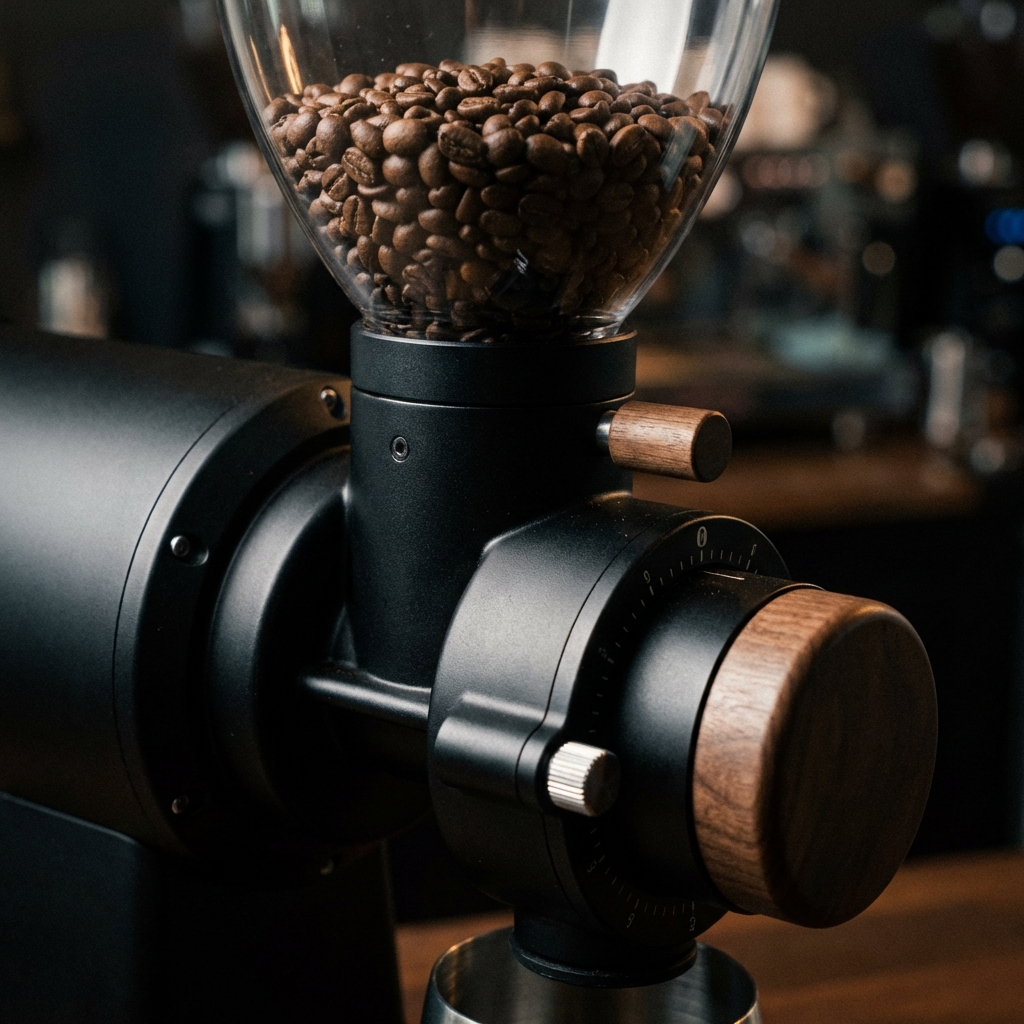
 Open details for Eureka Mignon Crono Brew Coffee Grinder | 150g | 50mm Steel Burrs | Timer | White

