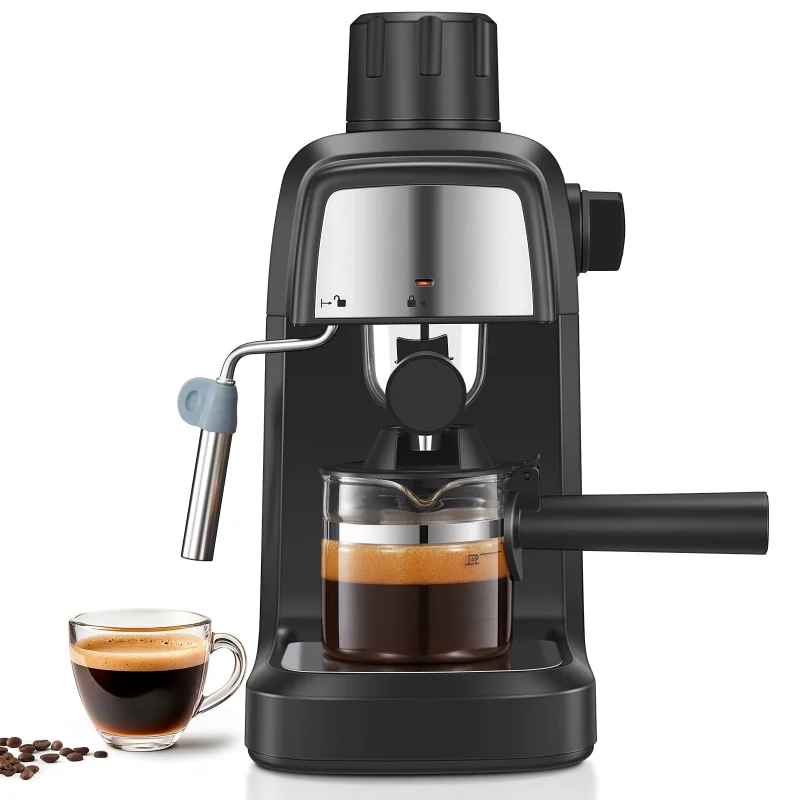

How to Decide If This Model Fits Your Home Espresso Workflow
Buying espresso gear goes wrong when shoppers optimize for headline specs instead of repeatable daily workflow. For Reemix Espresso Machine 3.5 Bar, start by asking how you actually make coffee on weekdays: solo straight shots before work, back-to-back milk drinks for family, or weekend experimentation. A product can test well and still be the wrong fit if it slows you down, adds maintenance friction, or demands a prep routine you will not maintain long term.
The practical framework is simple: consistency first, speed second, advanced control third. Consistency means the product helps you repeat outcomes with low variance. Speed means setup, prep, cleanup, and reset between drinks stay realistic for your schedule. Advanced control only matters after consistency and speed are solved. This order protects both cup quality and buyer satisfaction, especially for first-time home baristas.
For value-focused shoppers, compare total system performance rather than isolated product prestige. In many setups, a balanced spend across machine, grinder, and puck-prep tools beats over-investing in one component while neglecting the rest. If you are considering this product against alternatives, check where your current bottleneck actually lives: grind uniformity, thermal stability, steam performance, or workflow ergonomics. Your best upgrade is the one that removes the biggest bottleneck in your current routine.
Quick Evaluation Checklist
- Workflow fit: confirm the prep and cleanup flow matches your weekday routine.
- Cup consistency: prioritize stable, repeatable output over novelty features.
- Ownership cost: include maintenance accessories and consumables in your true budget.
- Category alternatives: compare at least 3 options in the same tier before buying.
- Post-purchase learning curve: plan for dialing in and routine maintenance.
Machine-Specific Buying Guidance
For espresso machines, the biggest real-world difference is not headline pressure or peak wattage, it is how quickly and consistently the machine lets you repeat your preferred drink. Warm-up behavior, thermal stability, and steam recovery shape your daily experience far more than spec-sheet hype.
When comparing similar models, prioritize workflow reliability: how fast you can move from dose to extraction, how predictable milk texturing feels, and how much cleanup friction exists after each session. The right machine should reduce morning cognitive load, not add another complex routine you eventually skip.
- Validate warm-up and recovery speed for your drink volume.
- Check if the machine keeps extraction quality stable back-to-back.
- Account for maintenance cadence and part replacement cost.
If this product is close to your target, use a second-pass comparison before clicking out. Start with the category view for model-level alternatives, then open the comparison tool to evaluate tradeoffs side by side. For practical setup advice after purchase, use the espresso guides to shorten your dial-in time and avoid common workflow mistakes.
Espresso Insider earns via affiliate referrals when readers choose to buy from Amazon. The only durable way that model works is if recommendations stay useful and honest. That is why this page emphasizes fit, constraints, and real-world usage over hype metrics. If you use this framework consistently, you will make fewer regret purchases and build a setup that improves over time.