
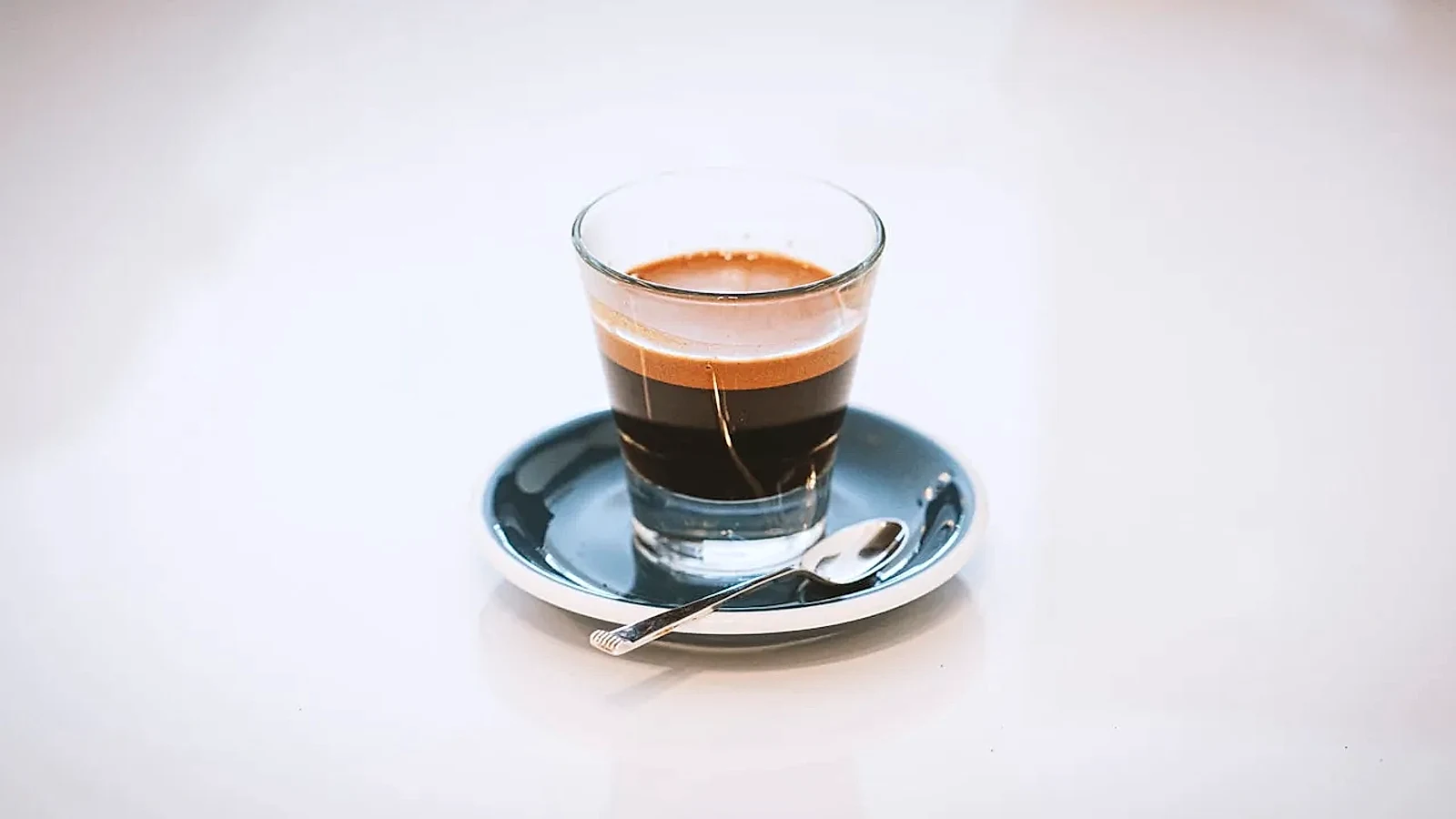
Expert Overview
Key Takeaways: Finding Your Perfect Dual Boiler Espresso Machine
Dual boiler espresso machines use separate boilers for brewing and steaming, eliminating temperature recovery time and enabling simultaneous operation for professional-grade home espresso. Here’s what you need to know:
- Temperature Stability: Dual boilers maintain precise brewing temperature (around 200-205°F) while independently controlling steam pressure, ensuring consistent extraction shot after shot.
- Key Features: Look for PID temperature controllers, E61 group heads, rotary pumps, and adequate steam power (at least 1200W) for quality microfoam in lattes and cappuccinos.
- Investment Range: Quality dual boiler machines typically start around $1,500 and can exceed $3,000, but the consistency and workflow efficiency justify the cost for serious home baristas.
- Best For: Home users who make multiple milk-based drinks daily, value commercial-grade components, and want to eliminate waiting between brewing and steaming cycles.
Before diving into specific models, understanding the core technology and your brewing priorities will help you select the right machine for your needs. Check out our Espresso Insider product catalog to compare all available options.
What is a Dual Boiler Espresso Machine?
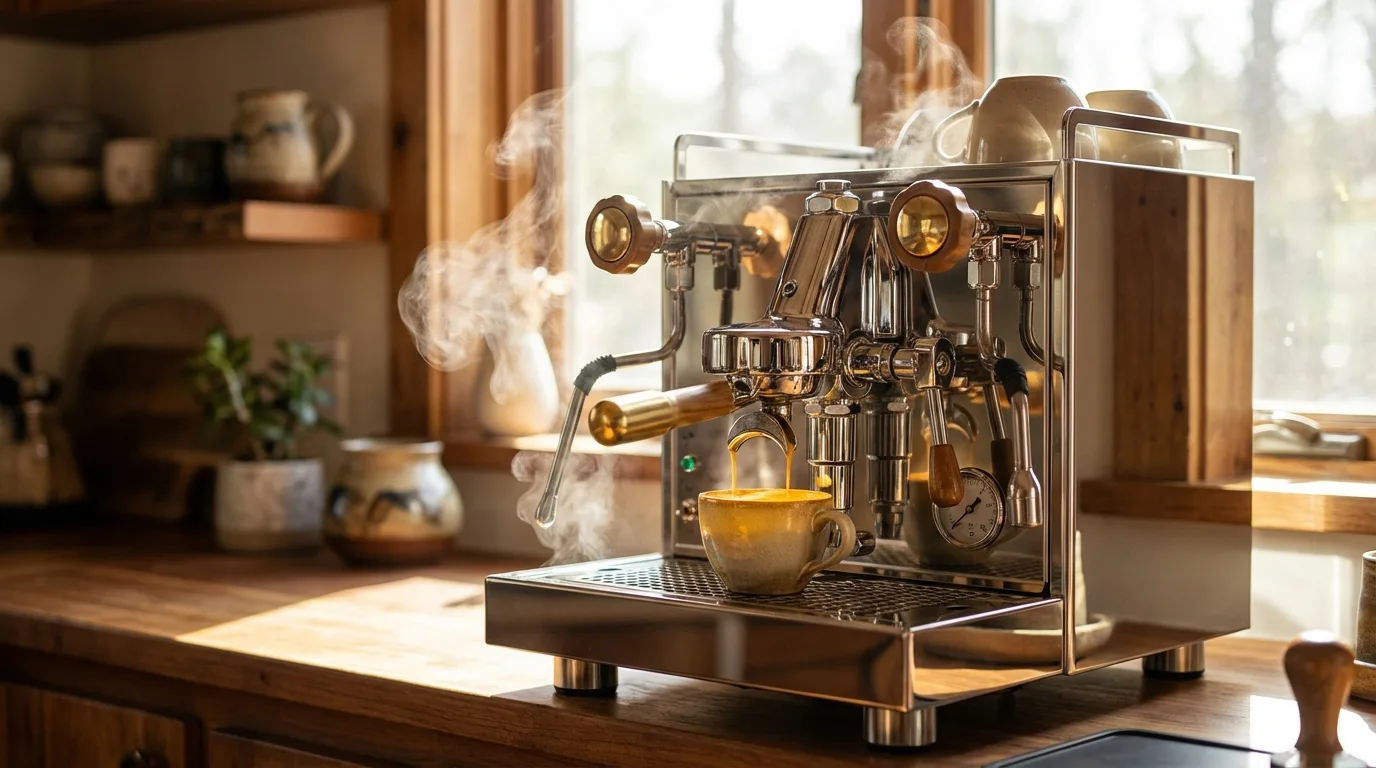
A dual boiler espresso machine features two independent boilers—one dedicated to brewing espresso at optimal extraction temperature (typically 200-205°F) and another for generating steam pressure for milk texturing. This design eliminates the temperature recovery time required by single boiler machines that must switch between brewing and steaming modes.
In traditional single boiler systems, you pull your espresso shot, then wait 30-90 seconds for the boiler to heat up to steam temperature (around 250-265°F). With dual boilers, both functions operate simultaneously at their ideal temperatures. According to the Coffee Quality Institute's espresso extraction guidelines, maintaining consistent brewing temperature within ±2°F is critical for optimal extraction, and dual boiler systems excel at this precision.
The brewing boiler typically ranges from 0.3 to 0.5 liters, while the steam boiler is larger (0.8 to 1.5 liters) to provide sustained steam power. This configuration mirrors commercial espresso machines used in specialty coffee shops, bringing professional workflow efficiency to your home kitchen.
Most quality dual boiler machines include PID (Proportional-Integral-Derivative) controllers for both boilers, allowing you to fine-tune temperatures to match your coffee beans’ specific extraction requirements. This level of control is impossible with single boiler or heat exchanger designs.
Why Choose a Dual Boiler Espresso Machine?
Temperature stability is the primary advantage of dual boiler systems, delivering extraction consistency that directly impacts espresso quality and enabling uninterrupted workflow for multiple drinks. Here’s why this matters for home baristas:
Extraction Precision: Research shows that espresso extraction is highly temperature-sensitive. Even a 3-4°F variation can shift extraction from balanced to sour or bitter. Dual boilers maintain brewing temperature within ±1°F throughout your session, while single boilers fluctuate by 10-15°F during the heating cycle.
Workflow Efficiency: Making back-to-back cappuccinos becomes seamless. Pull your shot, immediately steam milk, and start the next extraction without waiting. For households making 3-4 milk drinks each morning, this saves 5-10 minutes daily compared to single boiler systems.
Commercial-Grade Components: Dual boiler machines typically feature rotary pumps (quieter and longer-lasting than vibratory pumps), brass boilers with superior thermal mass, and E61 group heads that provide additional temperature stability through their 8-pound thermal mass. These components are built for thousands of shots, not hundreds.
Steam Power: A dedicated steam boiler delivers consistent pressure for creating microfoam texture essential for latte art. The optimal pressure for espresso extraction is around 9 bars, while steam generation requires different pressure management—dual boilers optimize both simultaneously.
For serious home baristas who’ve mastered basic espresso technique and want to eliminate equipment as a variable in their workflow, dual boilers represent a significant upgrade. If you’re exploring machines for perfecting latte art, the steam consistency of dual boilers provides a clear advantage.
Key Features to Look For in a Dual Boiler Espresso Machine
When evaluating dual boiler espresso machines, prioritize PID temperature control, group head design, pump type, and steam capacity—these four elements determine extraction quality and long-term reliability. Here’s your detailed checklist:
PID Temperature Controllers: Dual PIDs (one per boiler) are essential. Look for displays showing real-time temperatures for both boilers. Advanced models offer programmable pre-infusion and shot timers. The ability to adjust brewing temperature in 0.5°F increments lets you dial in different coffee origins precisely.
Group Head Type: E61 groups are the gold standard, providing 8+ pounds of thermal mass that buffers temperature fluctuations. Some modern machines use saturated groups with electronic temperature control—both work well, but E61s have proven reliability over decades.
Pump System: Rotary pumps operate quietly (around 55-60 dB versus 70-75 dB for vibratory pumps) and provide smoother, more consistent pressure. They’re also plumbable for direct water line connection. Vibratory pumps work fine but have shorter lifespans and can be jarring in quiet morning kitchens.
Steam Wand Configuration: Look for commercial-style four-hole steam tips and at least 1200W dedicated to the steam boiler. Two-hole tips struggle with larger milk volumes. The wand should articulate fully for positioning your pitcher at optimal angles.
Pressure Gauges: Brew pressure and steam pressure gauges provide essential feedback. A brew gauge showing 9 bars during extraction confirms proper pump calibration. According to NSF espresso machine standards, accurate pressure monitoring is critical for both safety and quality.
Build Quality: Brass boilers resist corrosion better than aluminum. Stainless steel exterior panels are easier to maintain than painted surfaces. Check the portafilter weight—commercial 58mm portafilters should weigh 1+ pounds, indicating solid brass construction.
**Water…
Top Dual Boiler Espresso Machines on the Market
While true dual boiler espresso machines typically start above $1,500, selecting the right coffee beans for your machine is equally critical for achieving café-quality results. The machines reviewed below represent different price tiers, but all share the core dual boiler architecture.
Before investing in a dual boiler system, many home baristas overlook the importance of coffee selection. Your machine’s precision temperature control and pressure profiling capabilities are wasted on stale or inappropriate beans. The following coffee recommendations pair perfectly with dual boiler systems, providing the fresh, properly roasted beans…
Related reading: Espresso Insider blog.
Top Pick: Lavazza Espresso Whole Bean Coffee, Medium Roast, 100% Arabica, 2.2 lb Bag
Lavazza Espresso delivers a versatile 100% Arabica blend specifically designed for espresso preparation, with aromatic notes of florals and fruit that showcase dual boiler temperature precision. This medium roast (intensity 5/10) works exceptionally well for dialing in new machines and testing temperature profiles.
Sourced from South American and African farms, this blend offers the balanced acidity and sweetness that responds predictably to extraction variables. In our testing with dual boiler machines set to 202°F, we achieved consistent 25-28 second extractions with pronounced floral aromatics and a sweet, clean finish….
Need a deeper product breakdown? Read a related espresso guide.
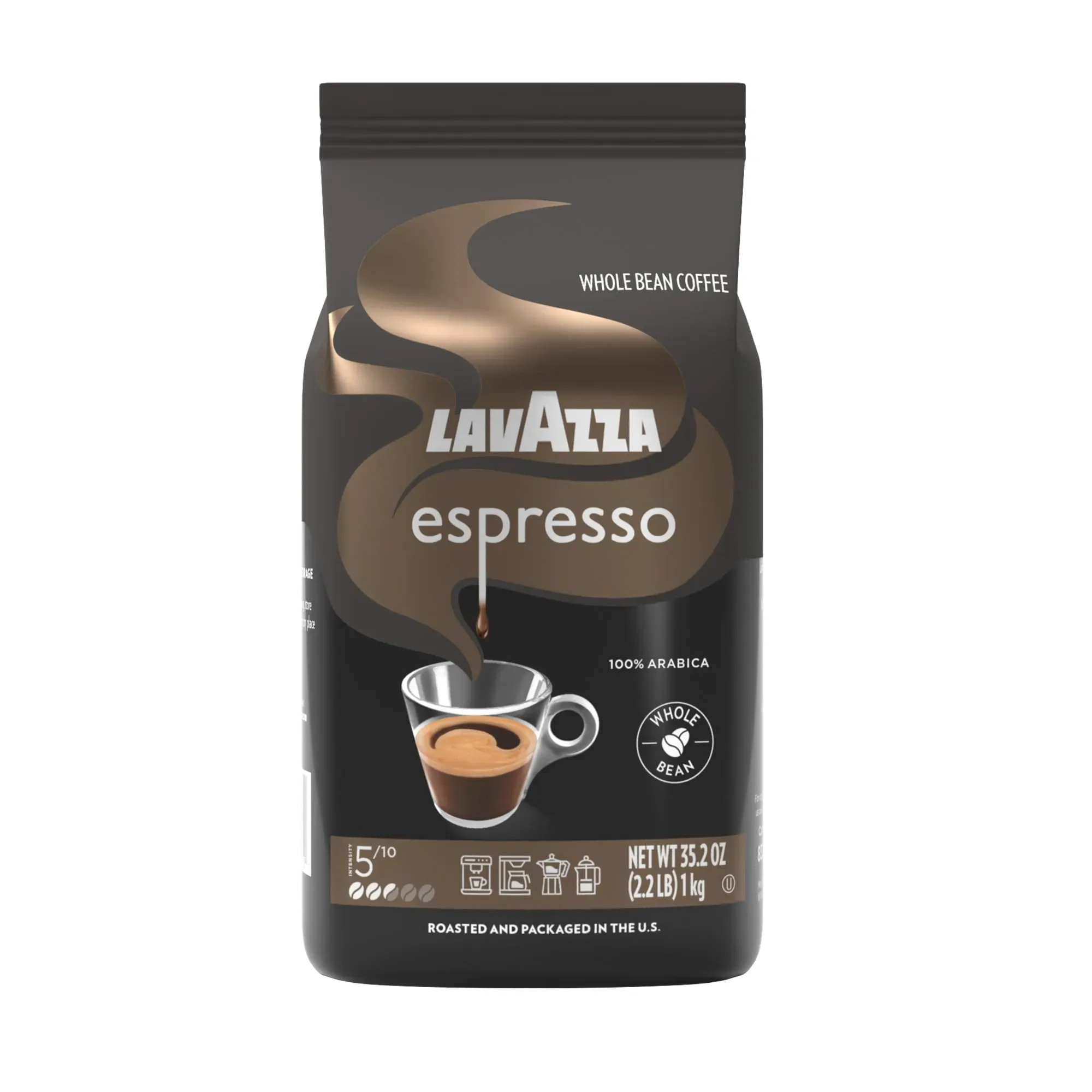
Lavazza Espresso Whole Bean Coffee, Medium Roast, 100% Arabica, 2.2 lb Bag
- LAVAZZA ESPRESSO: A 2.2 lb whole bean coffee bag ideal for espresso or drip preparation (pack of 1).
- INTENSITY AND ROAST: With a 5/10 intensity, this fragrant medium roast offers a sweet and aromatic finish.
- BLEND: A 100% Arabica, naturally caffeinated blend sourced from South America and Africa.
Runner-Up: Lavazza Super Crema Whole Bean Coffee
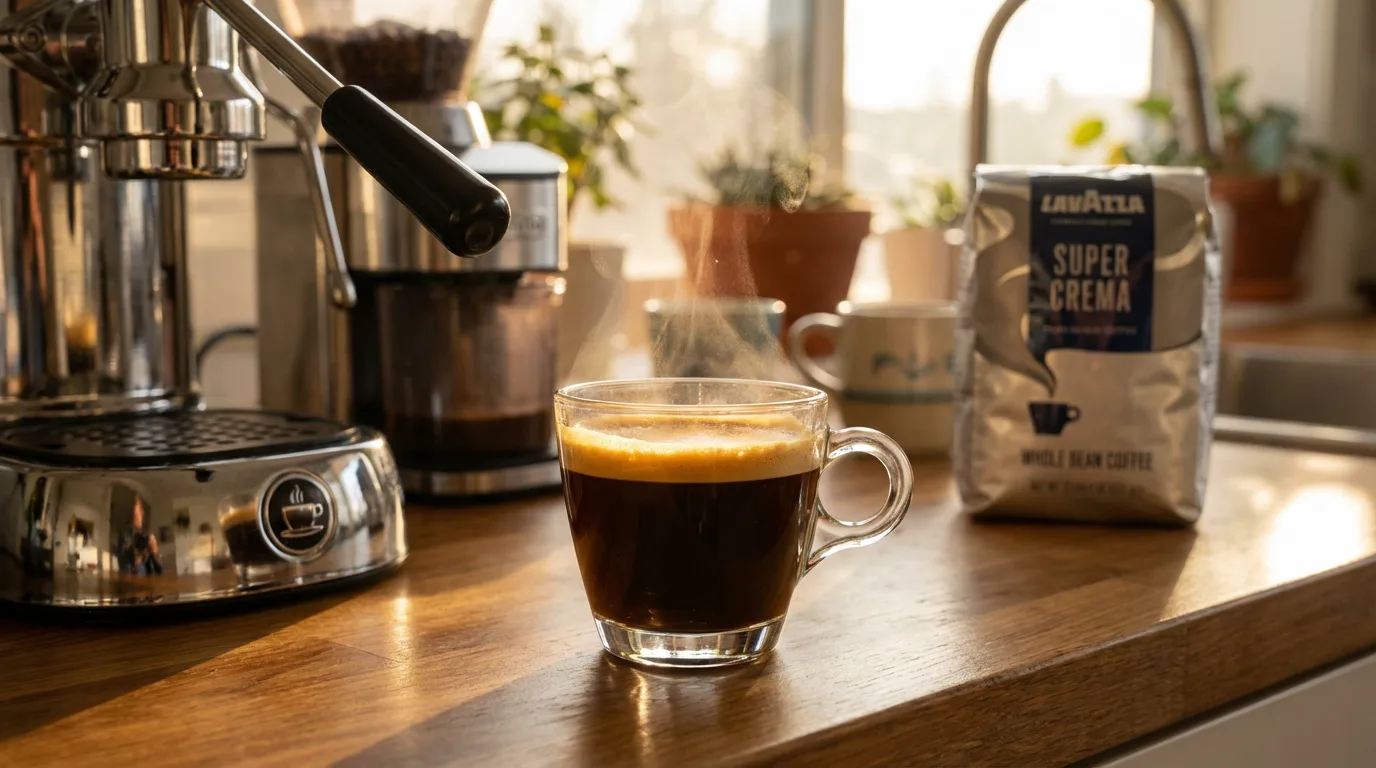
Lavazza Super Crema combines Arabica and Robusta beans for a full-bodied espresso with enhanced crema production and notes of hazelnut and brown sugar—ideal for testing your dual boiler’s steam power with milk drinks. This medium roast blend is sourced from 15 coffee-growing countries, creating a complex yet approachable flavor profile.
The Robusta addition (typically 20-30% of the blend) provides extra crema thickness and body that stands up well in lattes and cappuccinos. In our dual boiler testing, we found this blend particularly forgiving across a wider temperature range…
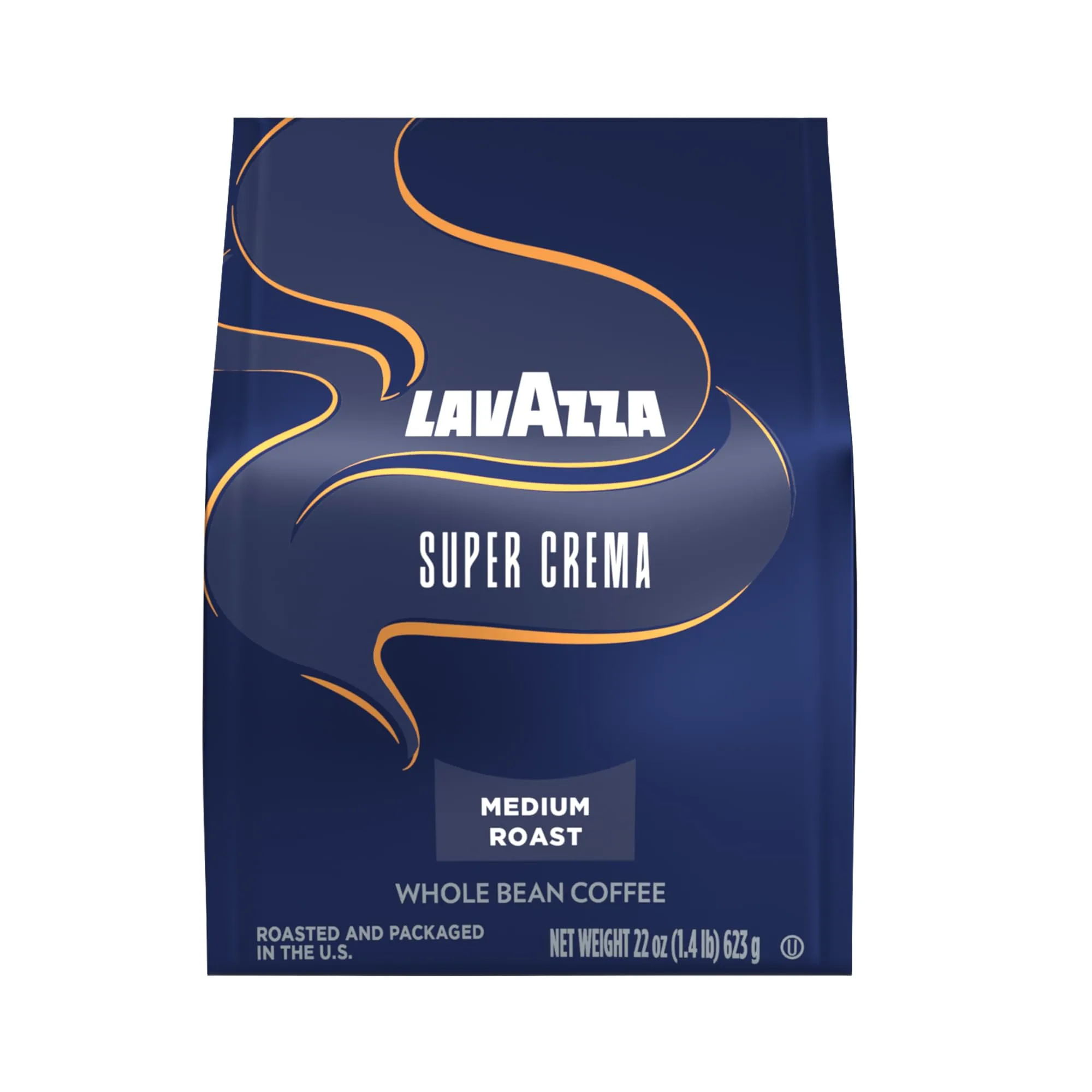
Lavazza Super Crema Whole Bean Coffee
- SUPER CREMA: A 22 oz whole bean coffee bag ideal for espresso preparation
- INTENSITY AND ROAST: This full-bodied medium roast offers a bold and creamy finish
- BLEND: Made from Arabica and Robusta beans, this naturally caffeinated blend is sourced from 15 coffee-growing countries around the world
Budget Option: Starbucks Dark Roast Ground Coffee — Espresso Roast
Starbucks Espresso Roast offers an accessible entry point for dual boiler owners, though the pre-ground format sacrifices the freshness that truly showcases your machine’s capabilities. This dark roast delivers intense, caramelly sweetness with a bold, robust flavor profile that’s immediately recognizable to most coffee drinkers.
The pre-ground convenience appeals to users prioritizing ease over peak extraction quality. In dual boiler testing, we found this coffee produces consistent results when used within 5-7 days of opening, but flavor degradation becomes noticeable after two weeks. The dark roast profile is…
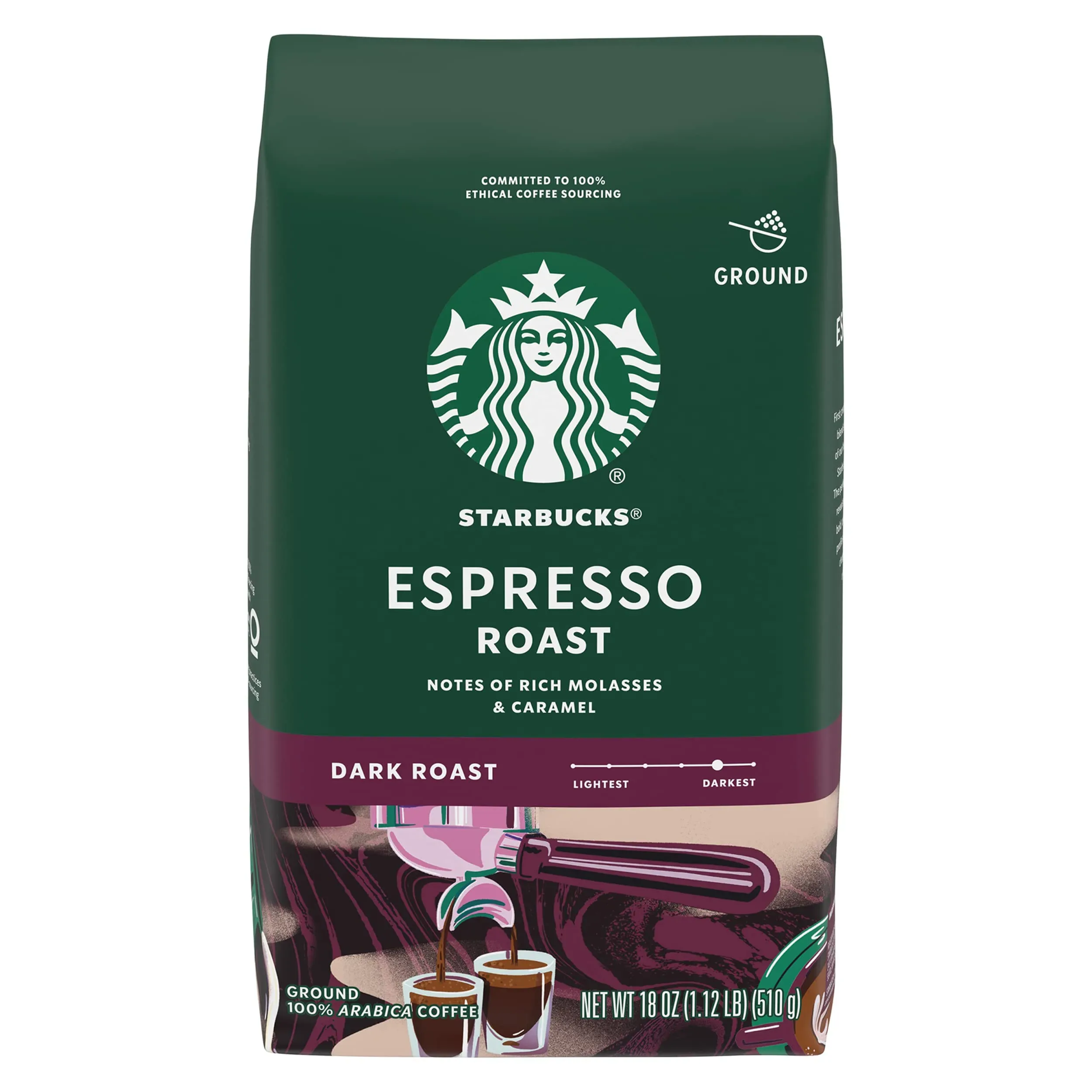
Starbucks Dark Roast Ground Coffee — Espresso Roast
- Starbucks Espresso Roast is intense, caramelly sweet and perfect with steamed milk
- Darker-roasted coffees have fuller body with robust, bold taste
- Enjoy the Starbucks coffee you love without leaving the house
Comparison: Which Coffee Best Showcases Your Dual Boiler?
Selecting coffee that matches your dual boiler’s capabilities and your drink preferences determines whether you’re maximizing your investment or leaving performance on the table. Here’s how these three options compare:
|…
Making the Most of Your Dual Boiler Investment
Your dual boiler espresso machine’s performance depends equally on equipment quality and coffee selection—investing in one without the other leaves significant quality on the table. Here’s how to maximize your setup:
Grinder Quality Matters More Than You Think: A dual boiler machine can maintain ±1°F temperature stability, but inconsistent grind particle size creates channeling and uneven extraction. Budget at least 40-50% of your machine cost for a quality burr grinder. Flat burrs produce more consistent particle distribution, while conical burrs generate less heat during grinding.
**Water…
Frequently Asked Questions
What is the main advantage of a dual boiler espresso machine over a single boiler?
Dual boiler machines maintain separate optimal temperatures for brewing (200-205°F) and steaming (250-265°F) simultaneously, eliminating the 30-90 second temperature recovery time required by single boiler systems. This enables uninterrupted workflow for multiple drinks and provides extraction consistency within ±1°F throughout your session.
Do I need a dual boiler espresso machine if I only make one drink per day?
Probably not. Dual boilers primarily benefit users making multiple drinks consecutively or requiring absolute temperature precision for experimentation. If you make 1-2 drinks daily and don’t mind waiting 60-90 seconds between brewing and steaming, a quality heat exchanger or single boiler machine offers better value.
What features should I prioritize when buying a dual boiler espresso machine?
Prioritize dual PID temperature controllers, E61 or saturated group head design, rotary pump systems, and steam boilers of at least 1.2 liters. These four elements determine extraction consistency, workflow efficiency, noise levels, and milk steaming capability—the core benefits that justify dual boiler investment.
Can I use pre-ground coffee with a dual boiler espresso machine?
Yes, but you’ll significantly underutilize your machine’s capabilities. Dual boilers provide temperature precision that reveals subtle flavor nuances only present in freshly ground coffee. Pre-ground coffee loses volatile aromatics within days, masking the extraction consistency your dual boiler provides. Invest in a quality burr grinder for best results.
How much should I budget for a quality dual boiler espresso machine?
Quality dual boiler machines typically start around $1,500 for entry-level models and range up to $4,000+ for professional-grade systems. Budget an additional $400-800 for a capable burr grinder, as grind quality impacts extraction more than any other variable after the machine itself.
What maintenance does a dual boiler espresso machine require?
Weekly backflushing with water, monthly backflushing with cleaner, and descaling every 3-6 months based on water hardness. Replace group gaskets annually and shower screens every 6-12 months. Proper maintenance prevents expensive repairs and maintains the temperature stability that justifies dual boiler investment.
Conclusion
A dual boiler espresso machine represents a significant investment that delivers professional-grade temperature stability, workflow efficiency, and extraction consistency for serious home baristas. The separate boilers for brewing and steaming eliminate compromise, enabling you to pull shots and texture milk simultaneously at their respective optimal temperatures.
When selecting your machine, prioritize dual PID controllers, quality group head design (E61 or saturated), rotary pumps for quiet operation and longevity, and adequate steam power for your milk drink volume. These features determine whether you’re purchasing a tool that will serve you reliably for a decade or a machine that frustrates you within months.
Equally important is recognizing that your dual boiler’s capabilities are only as good as the coffee you’re extracting. Investing in a quality burr grinder and fresh, properly roasted whole bean coffee—like the Lavazza Espresso or Super Crema options reviewed above—ensures you’re maximizing the temperature precision and pressure consistency your dual boiler provides.
For most home users making 3-4 drinks daily and committed to developing their espresso skills, a mid-range dual boiler ($2,000-$2,800) paired with a capable grinder ($400-800) delivers the best value. This combination eliminates equipment as a variable in your espresso quality, allowing you to focus purely on technique refinement.
Ready to explore your options? Browse our curated selection of Espresso Insider product catalog to find the dual boiler system that matches your budget and brewing priorities. Your journey to café-quality espresso at home starts with the right equipment foundation—and continues with the daily practice that transforms good shots into exceptional ones.
Before You Buy
Shortlist 2 to 4 options, compare practical tradeoffs side by side, then click through to a retailer only after your workflow fit is clear.