
Decision Snapshot
Start With the Short Answer
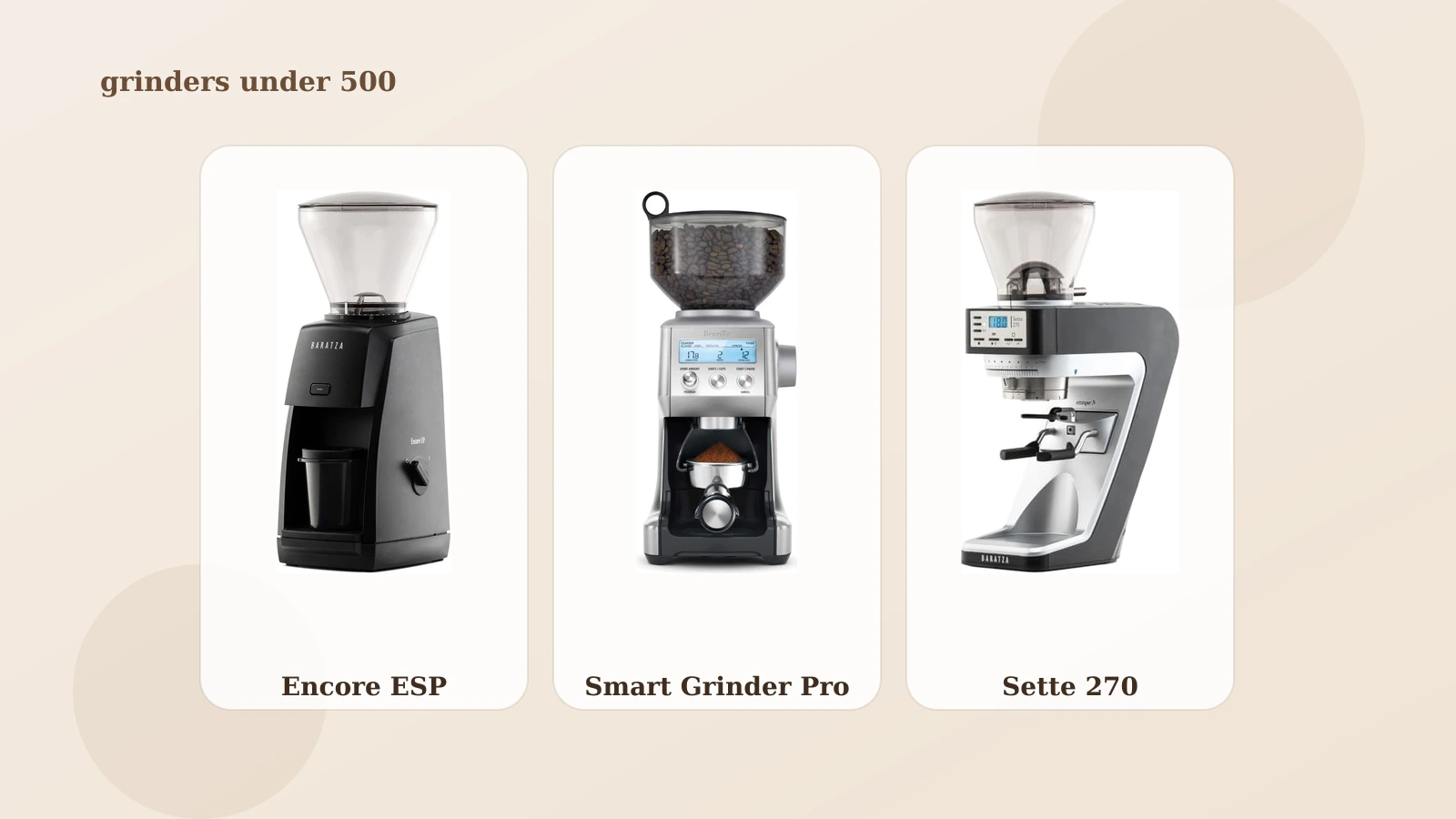
The best espresso grinder under $500 for most people is still the Baratza Encore ESP. This buyer guide also explains when the Smart Grinder Pro, Turin SK40, and Sette 270 become smarter fits based on routine, not hype.
The best espresso grinder under $500 is not the one with the longest spec sheet. It is the grinder that gets you dialed in quickly, stays predictable when beans change, and does not turn every morning into a static-filled mess.
That price tier is awkward because it mixes true entry grinders, timer-based all-rounders, and newer single-dose machines that look more serious than their price suggests. My strong opinion is that routine fit matters more here than burr-size bragging. The wrong grinder under $500 wastes beans just as effectively as a cheap espresso machine wastes pressure claims.
Key Takeaways
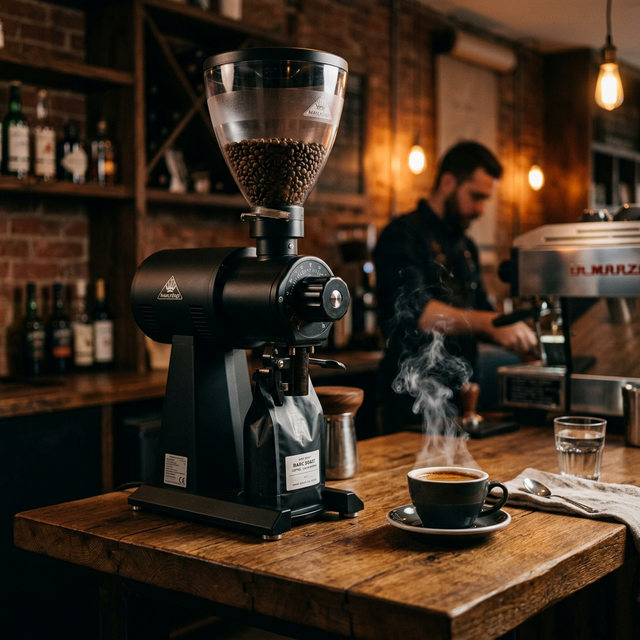
- Best overall for most home espresso users:Baratza Encore ESP is still the safest recommendation because it is approachable, espresso-capable, and easier to recommend than many flashier grinders.
- Best if you want timer convenience:Breville Smart Grinder Pro gives you more programmability and a more appliance-like routine.
- Best if you want a single-dose routine:Turin SK40 makes more sense for buyers who care about retention and compact manual-style dosing without jumping far upmarket.
- Best if speed and adjustment feel matter most:Baratza Sette 270 is still relevant when you want quick grinding and espresso-first adjustment behavior.
- Most common mistake: People buy for burr diameter or social-media hype before asking whether they want hopper convenience or single-dose control.
Best Overall: Baratza Encore ESP
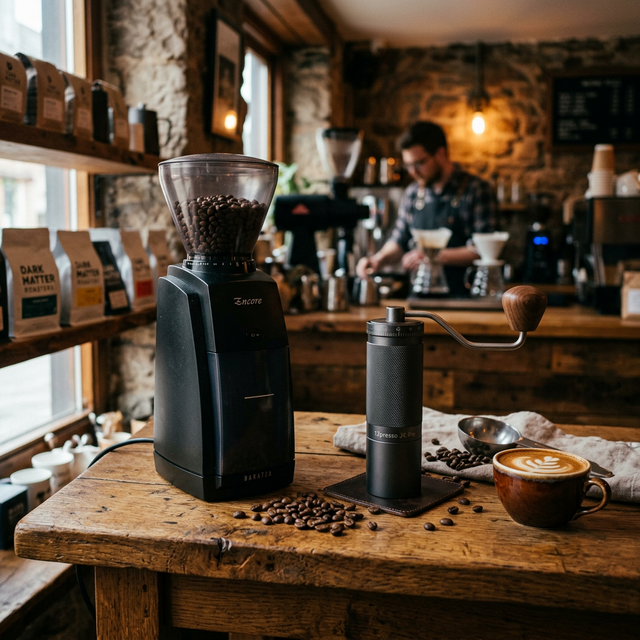
The Encore ESP remains the best overall recommendation under $500 because it solves the correct beginner-to-intermediate espresso problems without making the routine fussy. It is not sexy, but it is one of the least self-defeating grinder purchases in the category.
The reason it keeps winning is not that it dominates every spec. It wins because it makes espresso dialing accessible without pretending to be an endgame grinder. That honesty matters. Many people do better with a grinder that feels clear and stable than with one that promises single-dose nirvana and delivers a more finicky routine.
Best Timer-Based Convenience: Breville Smart Grinder Pro
The Smart Grinder Pro is still the right recommendation if you want a timer-driven grinder that feels easy to live with in a shared kitchen. It is especially useful for buyers who value repeatable dosing and a more familiar appliance interface.
This is not the grinder I would choose for the most obsessive espresso hobbyist, but that is not the point. Its strength is that it reduces friction for the buyer who wants one grinder to cover a practical daily routine without overthinking every dose.
Best Budget Single-Dose routine: Turin SK40
The Turin SK40 is the most interesting choice here if your main goal is a lower-retention single-dose routine without blowing through the whole budget. That makes it attractive for buyers who already know they dislike large hoppers and stale bean carryover.
The appeal is not that it makes every other grinder obsolete. It is that it aligns better with the way many home baristas actually buy beans now: smaller bags, more frequent changes, and more interest in dose-by-dose control. If that sounds like your routine, the SK40 becomes easier to justify.
Best for Speed and Espresso-First Use: Baratza Sette 270
The Sette 270 still deserves a place in this price tier because it behaves like an espresso grinder first and a compromise second. It is faster, more direct, and more espresso-centered than a lot of grinder shoppers expect at this budget.
It is not a universal recommendation because some buyers will hate the sound profile and some will prefer a calmer routine. But if your priority is fast espresso use with focused adjustment behavior, it still earns the list of picks.
How to Decide Between These Grinders
If you want the safest recommendation, buy the Encore ESP. If you want timer convenience, buy the Smart Grinder Pro. If you want single-dose control, buy the SK40. If you want espresso-first speed, buy the Sette 270. That gets you to the right choice faster than pretending there is one universal winner.
Also be realistic about the machine you are pairing it with. A sub-$500 grinder can materially improve your espresso, but only if the rest of the setup can use that consistency. If your machine choice is still open, compare this page with our best espresso machine under $500 guide and the beginner machine guide.
Hopper vs Single-Dose Under $500
The biggest routine split in this price band is not burr shape. It is hopper convenience versus single-dose control. That choice affects daily satisfaction more than most spec comparisons do.
If you use the same bean for a week at a time and want easier mornings, a hopper grinder like the Smart Grinder Pro or Encore ESP can feel more natural. If you rotate beans, care about lower retention, or like the ritual of weighing each dose, the SK40 becomes more interesting. Neither approach is morally superior. One is just better aligned with how you actually make coffee.
A lot of grinder disappointment comes from buyers choosing the routine that sounds more serious instead of the one that fits their house. Do not make that mistake. A technically cooler grinder can still be the worse purchase if it makes the routine slower in ways you do not enjoy.
Why This Price Tier Is So Important
Under $500 is where espresso grinders start becoming truly defensible home investments instead of compromise purchases. You are no longer trapped in the cheapest “espresso capable” marketing tier, but you also have not crossed into diminishing returns and obsessive upgraditis.
That is why I like this range for most home users. You can buy a grinder with real espresso intent, meaningful consistency improvements, and a routine you might genuinely keep for years. You do not need to spend four figures to stop fighting your grind every morning.
And if you do spend beyond this band later, you will do it from a more informed position. A good under-$500 grinder teaches you what you actually value: dose speed, lower retention, taste profile, noise, or interface. That lesson is part of the value too.
Final Verdict
Technical DNA Comparison
| Feature | beanglass T64 Single Dose Coffee Grinder, 64mm Flat Burrs Electric Espresso Grinder (Black) | Neretva Espresso Grinder | Eureka Mignon Facile Espresso Grinder |
|---|---|---|---|
| Price | $319.19 | $119.99 | $399 |
| Rating | (0) | ★★★★ (231) | (0) |
| See Current Offer → | See Current Offer → | See Current Offer → |
For most buyers, the Baratza Encore ESP is still the best espresso grinder under $500 because it is the easiest good decision. It does not require you to buy into a niche routine just to get better shots.
But this is one of those categories where the runner-up can be smarter than the winner if the routine matches you better. Under $500, the right grinder is the one that makes you waste fewer beans and feel less resistance every morning. That is the real definition of value.
How I Would Build Around These Grinders
If I were pairing one of these with a first serious machine, I would start with the Encore ESP or Smart Grinder Pro. Those are the least risky pairings for buyers still learning the bigger espresso picture.
If I already knew I preferred a single-dose rhythm and wanted more control over bean changes, I would lean harder toward the SK40. If I cared most about quick espresso-focused routine and could tolerate more personality in the grinder, the Sette 270 would be the bolder choice.
That is why this page is really about fit, not ranking theater. The right grinder purchase should make the rest of the setup easier to understand, not harder.
Who Should Skip This Price Tier Entirely?
You should skip the under-$500 tier if you already know you want a quieter long-term flat-burr grinder and can actually afford the jump. This range is excellent for value, but it is still a value range.
You should also skip it if you want one grinder to behave like a perfect all-rounder for espresso, pour over, and frequent bean changes without any compromise. That expectation is where a lot of grinder disappointment begins. Under $500, the better move is choosing which routine compromise you mind least.
For most home users, that is still a very good trade. The key is recognizing that “good enough to make espresso easier every morning” is already a meaningful win in this category.
What I Would Prioritize If Budget Was Tight
If the budget were tight, I would prioritize clarity of routine over chasing the grinder that sounds most advanced. That usually means the Encore ESP for the safest first espresso setup or the Smart Grinder Pro if the household values timer convenience and less ritual.
I would only stretch toward a more specific routine, like the SK40 or Sette 270, when I already knew the routine would support it. Buyers often waste money in this category by paying for a personality they do not actually want to live with every day.
That is why this tier is so valuable: it lets you learn your own preferences before spending much more. The best grinder under $500 is often the one that teaches you what matters to you without punishing you for not already knowing.
For most households, a grinder that reduces wasted beans and bad mornings is already doing the job. You do not need the loudest “enthusiast-approved” choice to make a smart buy here.
A grinder that keeps the routine calm and repeatable will usually earn more loyalty than one that sounds better in a forum signature.
For current live picks and prices, browse the Espresso Insider product hub.
For a wider technical reference, Barista Hustle is still worth bookmarking. For a second expert reference on espresso technique and calibration language, Barista Hustle remains one of the cleaner resources on the web.
These are the active catalog products that still clear our usefulness gate for this topic right now.

beanglass T64 Single Dose Coffee Grinder, 64mm Flat Burrs Electric Espresso Grinder (Black)
beanglass T64 Single Dose Coffee Grinder, 64mm Flat Burrs Electric Espresso Grinder (Black) is a single dose grinder built around 【64mm Flat Burrs】64mm titanium-plated stainless steel flat burrs that grinds fast,…
See Current Offer
Neretva Espresso Grinder
The Neretva Espresso Grinder aims to deliver precision grinding for various brewing methods, from espresso to French press. Featuring stainless steel conical burrs and 30 distinct grind settings, this grinder focuses on…
See Current Offer
Eureka Mignon Facile Espresso Grinder
Eureka Mignon Facile Espresso Grinder is a electric burr grinder built around Micrometric Adjustment: The Eureka Mignon Facile features a stepless micrometric adjustment knob for dialing in the grind with precision.…
See Current OfferFrequently Asked Questions
Before You Buy
Narrow the field to 2 to 4 options, compare the practical tradeoffs side by side, then click through to a retailer only after the choice is clear.