

Expert Overview
Key Takeaways: Mastering Your Espresso Pressure Gauge
Understanding your espresso pressure gauge is crucial for consistent, high-quality shots. Here’s what you need to know:
- Optimal Pressure: Aim for 9 bars of pressure during extraction for the best flavor.
- Gauge Reading: The pressure gauge measures the pressure in bars during the brewing process.
- Troubleshooting: Use the gauge to diagnose issues like under-extraction (low pressure) or over-extraction (high pressure).
- Grind Size: Adjust your grind size to fine-tune the pressure and achieve the ideal extraction.
- Tamping: Ensure consistent tamping for even pressure distribution.
- Consistent Extraction: Regular monitoring of the pressure gauge helps maintain shot consistency.
What Does an Espresso Pressure Gauge Actually Measure?
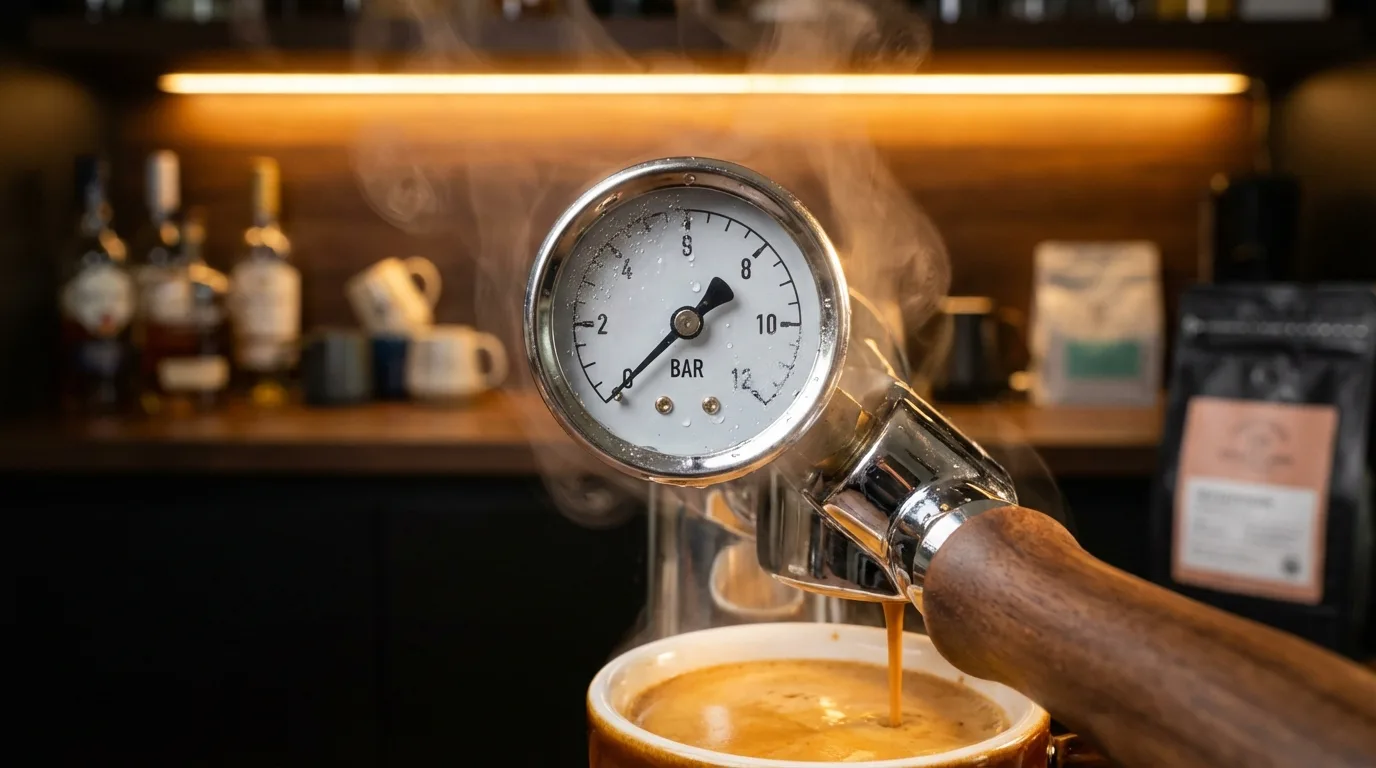
An espresso pressure gauge measures the water pressure, typically in bars, during the espresso extraction process. This pressure is crucial for properly extracting the oils and flavors from the coffee grounds. One bar is approximately equal to atmospheric pressure at sea level. Most espresso machines use a gauge to display the pressure generated by the pump as water is forced through the coffee puck.
Why Espresso Pressure Matters: The Core Concept Explained
Espresso pressure directly impacts the taste, aroma, and overall quality of your espresso. Insufficient pressure results in under-extraction, leading to sour and weak-tasting espresso. Excessive pressure causes over-extraction, producing bitter and harsh flavors. The ideal pressure, around 9 bars, ensures a balanced extraction, resulting in a rich, aromatic shot with a thick, golden crema.
Step-by-Step Framework: Reading Your Espresso Pressure Gauge Like a Pro
To accurately read your espresso pressure gauge, follow these steps. First, turn on your espresso machine and allow it to preheat. Observe the gauge during pre-infusion, if your machine has this feature, and note the initial pressure. Once the extraction begins, monitor the pressure as it builds. The ideal pressure should reach and maintain around 9 bars throughout the majority of the extraction. Note any fluctuations or deviations from this ideal range.
Common Mistakes and Quick Fixes: Troubleshooting Pressure Issues

Pressure problems are common, but often easily fixed. Low pressure during extraction is frequently caused by too coarse a grind, insufficient tamping, or not enough coffee in the portafilter. Try grinding finer, tamping with more force, or adding more coffee. High pressure can result from grinding too fine, over-tamping, or using too much coffee. Adjust your grind coarser, reduce tamping pressure, or use less coffee.
Sources & References
Sources & References Quick Answer:
Understanding how to read an espresso pressure gauge requires looking at the core variables: consistency, quality, and technique. This section breaks down exactly what you need to know to get better results in your cup.
- Espresso Brewing Pressure: A Comprehensive Guide. https://www.coffeequality.com/espresso-brewing-pressure-guide/
- Understanding Espresso Pressure and Extraction. https://www.ncausa.org/Industry-Resources/Research/Understanding-Espresso-Pressure-and-Extraction
Frequently Asked Questions
What is the ideal pressure for espresso extraction?
The ideal pressure for espresso extraction is around 9 bars. This pressure allows for optimal extraction of flavors and oils from the coffee grounds, resulting in a balanced and flavorful shot of espresso.
What does it mean if my espresso machine’s pressure is too low?
Low pressure during espresso extraction often indicates under-extraction. This can be caused by a grind that is too coarse, insufficient tamping, or not using enough coffee. The resulting espresso will likely taste sour and weak.
What does it mean if my espresso machine’s pressure is too high?
High pressure during espresso extraction usually indicates over-extraction. This can be caused by a grind that is too fine, over-tamping, or using too much coffee. The resulting espresso will likely taste bitter and harsh.
How can I adjust the pressure on my espresso machine?
Some espresso machines have adjustable pressure settings, which can be adjusted according to the manufacturer’s instructions. If your machine does not have this feature, you can adjust the pressure by changing the grind size, tamping pressure, or the amount of coffee used.
Conclusion
Understanding your espresso machine’s pressure gauge is a critical skill for any home barista. By monitoring and adjusting the pressure, you can fine-tune your technique and consistently produce delicious, high-quality espresso. For enhancing the latte experience, also check out our guide on How To Steam Milk For Latte Art: Complete Guide.