Expert Overview
Single origin espresso has moved from specialty café curiosity to a genuine home barista pursuit. But single origin beans require more dialing in than blends — their fruit-forward acidity and terroir complexity don’t forgive sloppy extraction the way a forgiving Italian blend does.
Here’s which origins pull best as espresso and which roasters source them most consistently.
Key Takeaways
Keep this article practical by pairing it with our single-origin vs blend guide and the espresso product hub when you want product context or a deeper workflow refresher.
- Ethiopian naturals (Yirgacheffe, Guji) are the most popular single origin espresso choice — blueberry, jasmine, and citrus at medium-light roast
- Single origins require lower extraction temperatures (88–91°C) than blends for balanced acidity
- Washed Colombians offer the best entry point for single origin espresso — more forgiving, caramel-forward
- Expect to spend more time dialing in — single origins have narrower “sweet spot” extraction windows
- Buy from roasters who print the roast date and origin processing method on the bag
Best Origins for Espresso, Ranked by Accessibility
| Origin | Process | Flavor Notes | Difficulty | Best Roast |
|---|---|---|---|---|
| Colombia (Huila, Nariño) | Washed | Caramel, red apple, hazelnut | Easy | Medium |
| Brazil (Cerrado, Sul de Minas) | Natural | Chocolate, peanut, brown sugar | Easy | Medium-dark |
| Ethiopia (Yirgacheffe) | Washed | Bergamot, jasmine, lemon | Medium | Light-medium |
| Ethiopia (Guji) | Natural | Blueberry, wine, tropical fruit | Hard | Light-medium |
| Kenya (AB, AA) | Washed | Blackcurrant, tomato, pineapple | Hard | Light |
Top Picks by Origin
Colombian — Intelligentsia Black Cat Analog
Intelligentsia’s Black Cat Analog espresso blend uses Colombian beans as its base. For a true single origin, their Los Inmortales Colombian is regularly praised in home barista communities for its caramel sweetness and forgiving extraction window. Available at ~$22/lb.
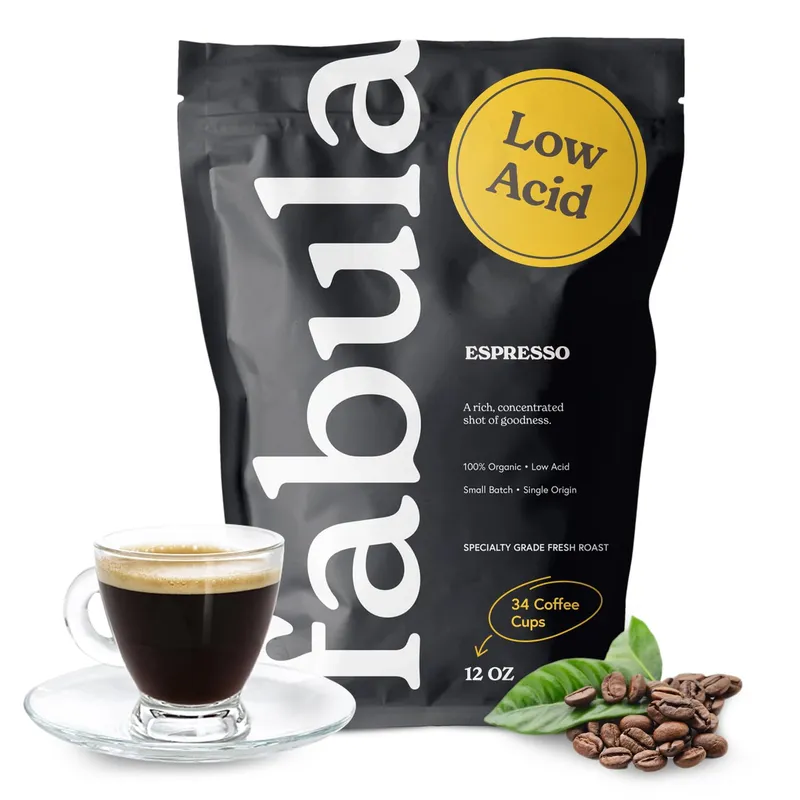
Fabula Low Acid Coffee Beans Whole, Organic Espresso Coffee
Fabula Low Acid Organic Espresso Coffee Beans are sourced from Inza, Colombia, and cultivated by the Pillimue Family. These beans are roasted to deliver a smooth, rich flavor profile with notes of plum, raisin,…
Check Price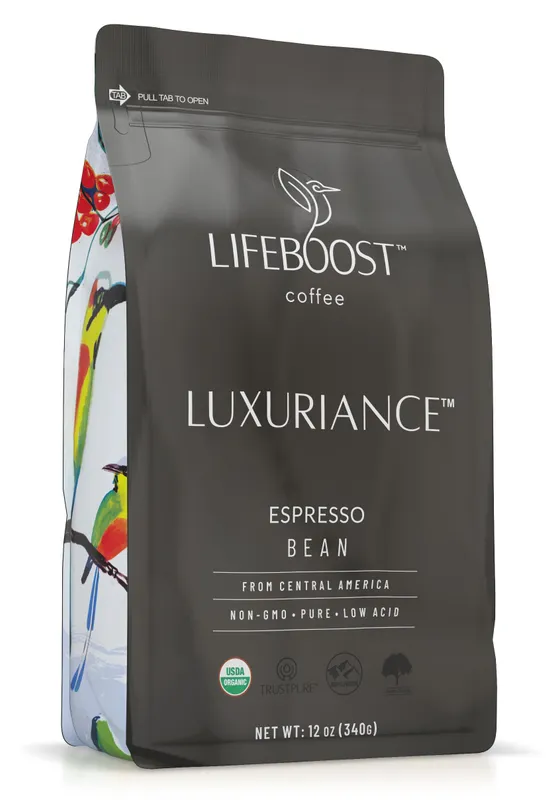
Lifeboost Organic Espresso Whole Bean Coffee
Lifeboost Organic Espresso Whole Bean Coffee promises a low-acid, mycotoxin-free espresso experience sourced from Nicaraguan mountains. The beans are dark roasted and USDA certified organic, with claims of third-party…
Check PriceBrazilian Natural — Any Fresh Local Roaster
Brazilian naturals are the entry-level single origin espresso option. Their low acidity and chocolate/nut flavor profile makes them easy to dial in, and the natural processing gives them enough sweetness to work at medium-dark roast without going flat. Look for Sul de Minas or Cerrado designation and a roast date within 2 weeks.
Ethiopian Yirgacheffe — The Gold Standard
No single origin shows more dramatically at espresso than an Ethiopian Yirgacheffe washed. At 88–90°C extraction, the bergamot and jasmine notes open up in the cup while the stone fruit sweetness balances the inherent acidity. The challenge: the slightest over-extraction makes it harshly sour. Use a temperature-adjustable machine.
Dialing In Single Origin Espresso
Single origins require distinct parameters compared to blends:
- Temperature: 88–91°C (190–196°F) — lower than the 93°C ideal for blends
- Ratio: 1:2.5 to 1:3 (longer than the traditional 1:2) to avoid concentrated sourness
- Grind: Start coarser than you might expect — single origins often extract faster than blends
- Puck prep: Distribution is critical — channeling is less forgiving with high-clarity single origins
A machine with temperature control is near-essential for single origin work. The Breville Barista Pro’s digital temperature control makes this accessible.
Where to Buy Single Origin Espresso Beans
- Intelligentsia: Outstanding Colombian and Ethiopian single origins, fresh roasted
- Counter Culture: Consistent sourcing, excellent transparency on origin data
- Onyx Coffee Lab: Premium Ethiopian and Kenyan, award-winning
- Local specialty roaster: Freshest possible — ideally under 10 days from roast
For a stable reference outside our own testing notes, use the National Coffee Association roasting guide for terminology, standards, or official support details.
Frequently Asked Questions
Before You Buy
Shortlist 2 to 4 options, compare practical tradeoffs side by side, then click through to a retailer only after your workflow fit is clear.