
Article Snapshot
What Matters First
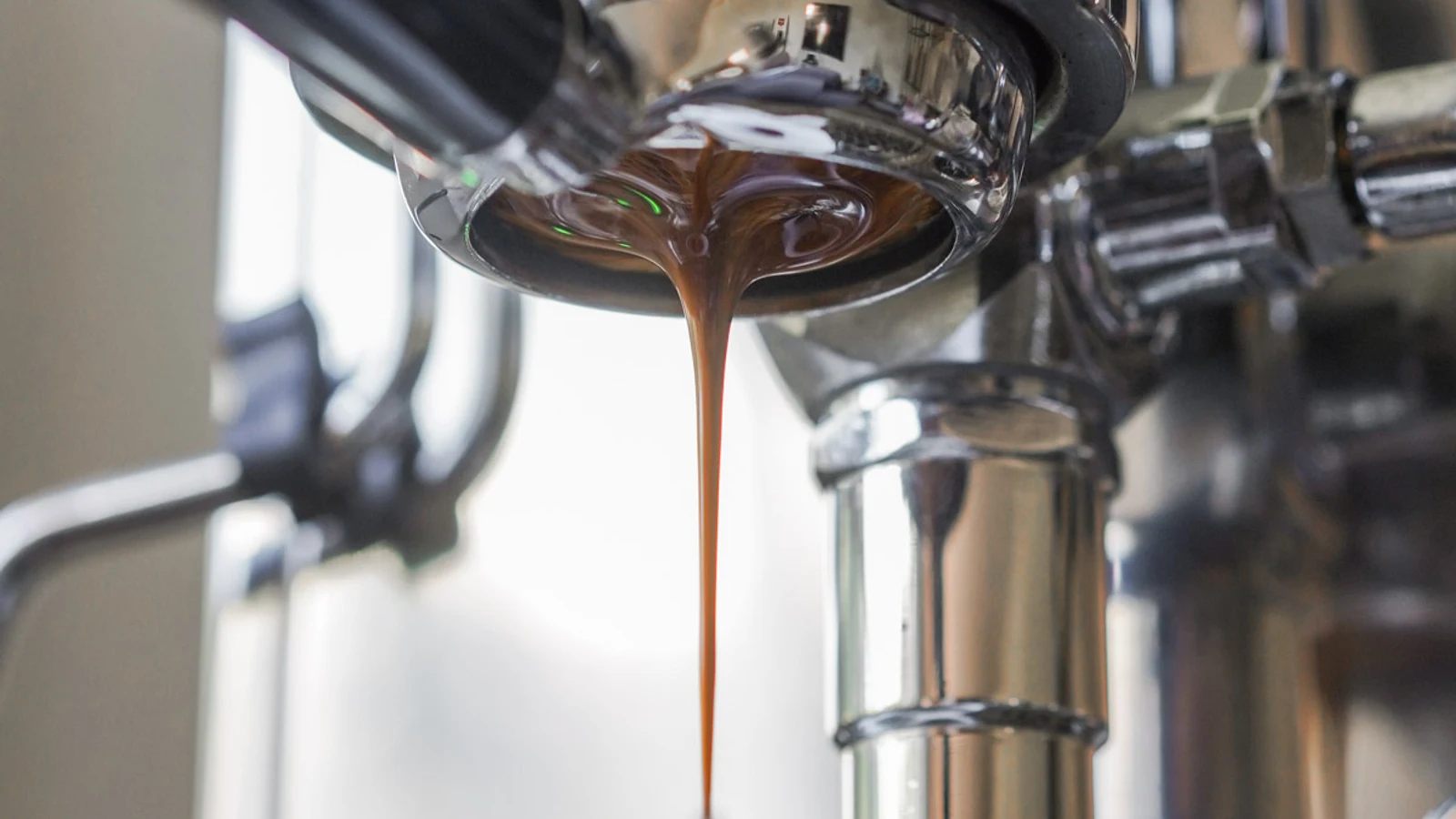
The ideal espresso extraction time is whatever produces the best-tasting shot for your dose, ratio, and coffee.
The 25-30 second rule is still a useful starting point for espresso, but it becomes bad advice the moment people treat it like a law. If your shot tastes balanced at 23 seconds or 34 seconds, the clock is not the problem.
What time really does is give you context. It helps you diagnose whether a shot is moving too fast, choking too slow, or behaving differently than the recipe suggests. That is valuable. What it does not do is override taste, brew ratio, or the reality that different coffees and grinders behave differently.
Key Takeaways
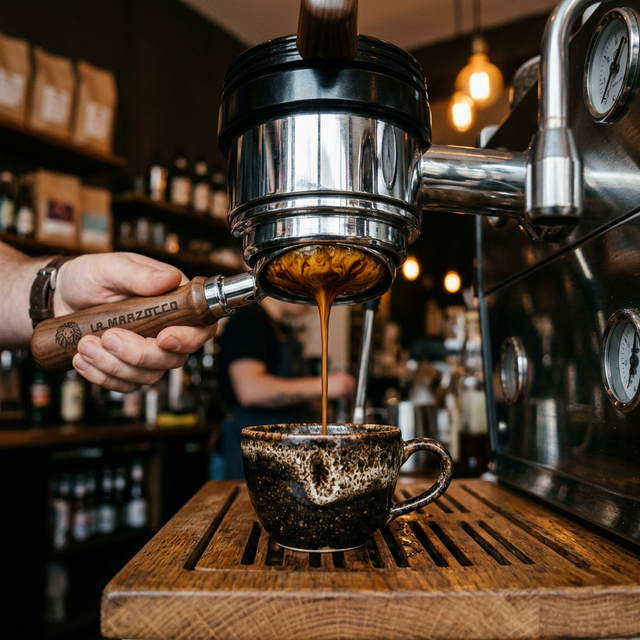
For many classic double-shot recipes, 25-30 seconds is a solid starting window. But the ideal extraction time is the one that produces the best cup for your dose, yield, roast level, and machine. If the shot tastes sweet, balanced, and repeatable, being a few seconds outside that window is not automatically a problem.
This is also why time should never be read by itself. A 28-second shot at a bad ratio can still taste hollow. A 32-second shot from a lighter coffee can be exactly where that recipe needs to be. Time only becomes useful when it is paired with yield and taste.
Key Takeaways: The 25-30 Second Rule
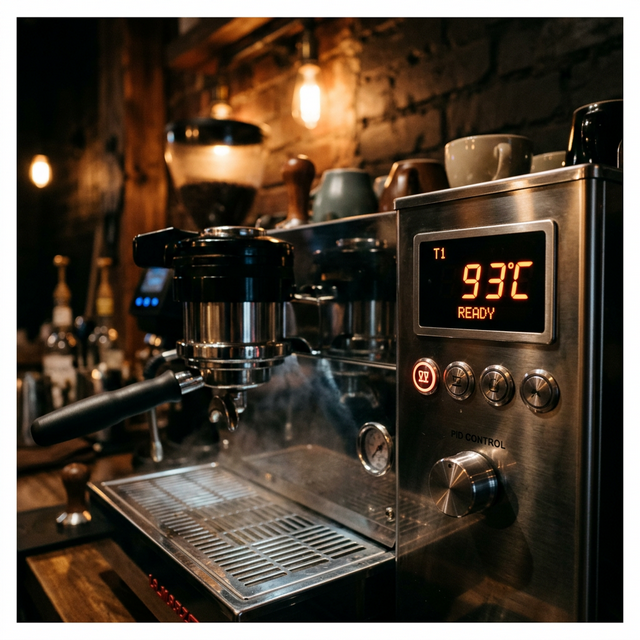
- Best use of shot time: treat it as a diagnostic clue, not a scorecard.
- When 25-30 seconds works: classic 1:2 espresso recipes on reasonably dialed-in home setups.
- When to ignore the rule: when taste, ratio, roast level, or flow profile clearly point elsewhere.
- Most common mistake: changing grind based on the timer before checking whether the shot actually tastes sour, bitter, hollow, or balanced.
- What matters more than time alone: dose, yield, taste, grinder consistency, and puck prep.
Where the 25-30 Second Rule Comes From
The rule exists because traditional espresso recipes often land in that zone when the grind, dose, and yield are in a sensible range. That is why it survived. It is practical shorthand, not superstition.
Resources from the Specialty Coffee Association’s standards and research pages are useful here because they reinforce the wider principle: espresso quality depends on controlling variables, not worshipping one number. Extraction time can be one of those variables. It is not the whole recipe.
When the Rule Actually Helps
The rule helps most when you are learning or when the shot is obviously wrong and you need a starting reference. If your 18 gram dose is yielding roughly 36 grams in 18 seconds and the cup tastes sour, the time tells you something useful. If the same recipe is taking 42 seconds and tastes bitter, the time is useful again.
That is the good use of the timer. It gives you a clean way to spot when the shot is behaving outside a normal baseline. It is especially helpful for beginners because it reduces the urge to change five variables at once. You need one anchor somewhere, and time is an accessible anchor.
When You Should Ignore It
You should ignore the rule the moment the cup and the recipe tell a clearer story than the clock. Lighter roasts, different baskets, different flow profiles, or different brew ratios can all move the “right” shot outside the classic 25-30 second lane.
This is where a lot of home baristas get stuck. They force a tasty shot back into the approved time window and make it worse, just because the internet told them 30 seconds was morally superior to 24. That is backwards. The timer serves the cup, not the other way around.
What to Fix Before Blaming Time
If the shot tastes wrong, check the ratio and the grinder before assuming the timer is the root cause. A weak grinder, sloppy puck prep, stale beans, or a drifting yield can all create “bad time” symptoms that are not really time problems at all.
That is why this page needs a commercial handoff. If your grinder cannot make fine, repeatable adjustments, shot-time advice will only get you so far. Start with our best espresso grinder under $300 guide if you are still fighting unpredictable shot times on an entry setup.
If you are still building the whole setup, our best beginner espresso machine guide and product hub are the next useful steps. Better diagnostics only help if the equipment can actually respond to the adjustment.
How I Would Use Shot Time at Home
I would use time as a sanity check, then let taste decide whether to keep adjusting. If the shot is in the expected range and tastes balanced, I stop. If it is in the expected range and tastes sour or harsh, I stop trusting the timer as the main truth and start looking at ratio, prep, or the grinder.
That approach keeps the timer useful without letting it become a trap. It also scales better as your setup improves. The better your grinder and puck prep become, the more reliably time turns into good information instead of random noise.
What the Rule Misses Completely
The rule misses the fact that espresso is not one fixed drink template. Basket size, coffee age, roast level, desired yield, and machine behavior all change the “right” time window. That is why the same home barista can pull two good shots on the same day with slightly different times and still be doing everything correctly.
This is especially obvious once you move beyond supermarket dark roasts. Lighter coffees, faster-flowing baskets, or deliberately different ratios can all shift the number without making the espresso worse. The timer only becomes misleading when people pretend that every good espresso must share one universal second count.
How Beginners Should Actually Dial In
If you are still learning, use a repeatable routine: keep the dose stable, keep the target yield stable, then watch time and taste together. That is the least confusing way to learn. Change one variable, taste again, and use time as supporting evidence rather than the final judge.
That small change in mindset matters. It turns espresso from “I am chasing the perfect second count” into “I am learning how the cup reacts.” Once you think that way, time becomes useful again because it helps you track cause and effect instead of replacing it.
The Fastest Way to Misread a Shot
The fastest way to misread a shot is to let the timer bully you into making the wrong adjustment. If a 27-second shot tastes sharp and thin, blindly pushing it slower is not always the answer. If a 32-second shot tastes dense and sweet, forcing it faster can make it worse for no good reason.
That is why time works best as one line in a diagnosis, not the whole diagnosis. You watch the yield, taste the cup, check whether the flow looked normal, and then use time to confirm or challenge what you are already seeing. That is a much better habit than treating the stopwatch like a moral authority.
Why Better Equipment Makes Time More Useful
Better grinders and steadier machines make extraction time more useful because they reduce noise. On a weak setup, the same recipe can produce inconsistent times just because the grinder cannot repeat the same grind size cleanly. That makes the clock feel confusing when the real issue is the equipment feedback loop.
On a steadier setup, time becomes more informative because the other variables are not drifting as wildly. That is why support advice and gear advice belong together. Technique pages are more valuable when they also tell the reader when the setup itself is the limiting factor.
Final Verdict
The 25-30 second rule is a good espresso training wheel. It is not the final judge of a shot. Use it to spot problems, especially when you are learning, but let taste, ratio, and repeatability decide whether the shot is actually working.
If your current setup still makes that hard, the next answer is usually not another Reddit rule. It is a grinder or machine that gives you more controllable feedback. That is how extraction-time advice turns into better espresso instead of more confusion.