

Decision Snapshot
Start With the Short Answer
Walk into a bar in Rome and order a cappuccino.
Key Takeaways

Walk into a bar in Rome and order a cappuccino. You’ll receive a 5-6oz drink with equal parts espresso, steamed milk, and thick, velvety foam — served in a ceramic cup, never to-go. The Italians don’t drink cappuccino after 11am (a cultural norm, not a rule), and they certainly don’t top it with whipped cream or flavored syrup.
The authentic cappuccino is deceptively simple: great espresso, properly steamed milk, and the skill to combine them. The challenge isn’t the recipe — it’s mastering milk texture. According to Barista Hustle’s milk science guide, the difference between a good and great cappuccino comes down to microfoam quality — bubbles so small they’re invisible, creating a thick, glossy surface that tastes sweet and velvety.
Equipment You’ll Need

How to Make a Cappuccino at Home
A proper cappuccino should taste like espresso first, then finish sweet and creamy instead of foamy and bland.
Ingredients
- 1 shotDouble espresso (Aim for a balanced 1:2 espresso ratio)
- 120 mlWhole milk (Steam to glossy microfoam)
Instructions
- 1
Pull a balanced double espresso into a 5 to 6 ounce cappuccino cup.
- 2
Steam the milk until it gains a little volume but still looks glossy and tight.
- 3
Pour the milk in one steady motion so the drink keeps equal espresso, milk, and foam balance.
- 4
Serve immediately while the foam is still fine-textured and sweet.
Recipe by Espresso Insider · All values are approximate and based on standard measurements
- Espresso machine with steam wand — any machine with adequate steam pressure works
- 12oz stainless steel pitcher — the right size for steaming one cappuccino’s worth of milk
- 5-6oz ceramic cup — preheated (run hot water through it while your machine warms up)
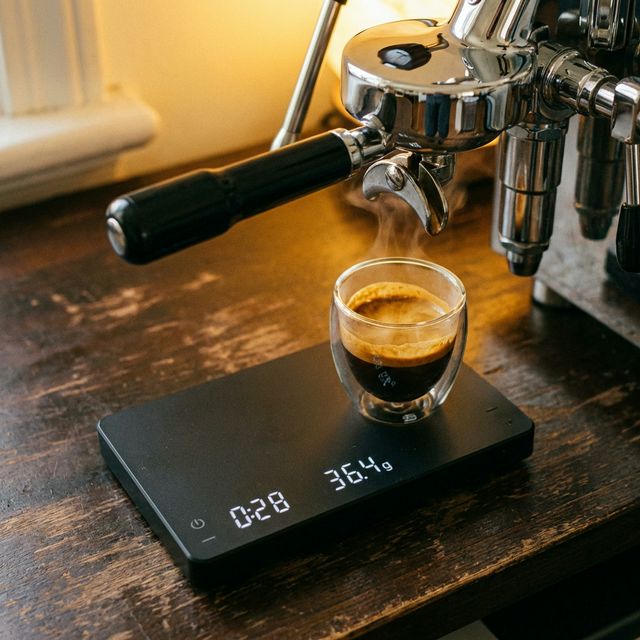
- Precision scale — for weighing your espresso dose and yield
- Thermometer (optional) — until you develop temperature intuition by feel

Breville Bambino Plus Espresso Machine BES500BSS, Brushed Stainless Steel
The Breville Bambino Plus (BES500BSS) is broadly regarded as the definitive entry-level prosumer machine due to its groundbreaking combination of automated features and rapid heating. Driven by Breville’s proprietary…
See Current OfferThe Classic Cappuccino Recipe
The Milk Steaming Technique (In Detail)
Milk steaming is the make-or-break skill for cappuccino. Here’s the full technique:
Phase 1: Stretching (2-3 seconds). Position the steam tip just below the milk surface — you should hear a gentle “tsss-tsss” sound as tiny bursts of air enter the milk. This increases the milk volume by about 30%. Stop stretching when the pitcher feels slightly warm to the touch on the outside.
Phase 2: Texturing (remaining time to temperature). Submerge the tip deeper and angle the pitcher to create a whirlpool. This spinning motion integrates the air bubbles into the milk, breaking them smaller and smaller. Continue until the pitcher is too hot to hold comfortably (150-155°F).
Phase 3: Polish. Turn off steam. Tap the pitcher firmly on the counter 2-3 times to pop any remaining large bubbles. Then swirl vigorously — the milk should look like wet paint: glossy, smooth, and flowing like thick cream.
For a deeper guide on steaming technique, see our milk steaming guide.
5 Common Cappuccino Mistakes
1. Too much air (stiff foam). If your foam looks like shaving cream, you stretched too long. The stretching phase should be 2-3 seconds max. You want a 30% volume increase, not 100%.
2. Milk too hot (scalded). Above 160°F, milk proteins denature and lactose caramelizes in a bad way — you get a burnt, cardboard taste. Stop at 150-155°F. If you don’t have a thermometer, stop when the pitcher is too hot to hold.
3. Wrong cup size. A cappuccino in a 12oz mug is a latte pretending to be a cappuccino. The 5-6oz cup is not arbitrary — it’s the size that gives you the correct 1:1:1 ratio with a double shot and 120ml milk.
4. Cold cup. Espresso cools rapidly. A cold ceramic cup drops the temperature of your shot by 10-15°F before you even add milk. Always preheat by running hot water through the cup.
5. Waiting too long to pour. Steam your milk while your shot pulls (or immediately before). Every second between pulling the shot and pouring milk degrades crema and drops temperature. The best cappuccinos are assembled in under 5 seconds after the shot finishes.
Cappuccino vs Latte: What’s Actually Different?
The main differences: a cappuccino uses less milk (5-6oz total drink vs 8-12oz), has a thicker foam layer, and is served in a smaller cup. The espresso-to-milk ratio in a cappuccino is much higher, meaning you taste the espresso more prominently. A latte is milkier, smoother, and less intense. For a full comparison, see our flat white vs latte guide.
How to keep the espresso visible
How to Make a Cappuccino at Home works best when the espresso still reads clearly after the sweet or creamy elements land.
The easiest mistake with how to make a cappuccino at home is building it like dessert first and coffee second. We get better results when the espresso is sweet and balanced on its own before anything else goes into the cup.
This is where a lot of ranking recipe pages get lazy. They list ingredients but skip the part where espresso strength, milk texture, or syrup dose decide whether the drink tastes cafe-level or flat and sugary.
If your base espresso still feels inconsistent, revisit our cappuccino guide before blaming the recipe itself.
Troubleshooting flavor and texture
How to Make a Cappuccino at Home is usually fixed faster by naming the failure clearly instead of changing everything at once.
If the drink tastes muddy, the sweetener or dairy is probably overpowering the shot. If it tastes sharp, the espresso base likely needs a slightly sweeter extraction before the recipe can work.
Texture problems are usually simpler than people think. Milk that is too foamy makes compact drinks feel hollow, while watery milk or melting ice can wash out the finish almost instantly.
The practical move is to change one variable at a time: espresso ratio first, then sweetness, then milk or cream texture. That sequence saves ingredients and gives cleaner feedback.
Smart substitutions and bean pairings
How to Make a Cappuccino at Home gets better when the bean choice supports the recipe instead of fighting it.
Chocolatey or nutty medium roasts are usually the safe bet for sweet espresso drinks because they stay present after milk, cream, or syrup enters the cup.
Fruit-forward light roasts can work, but they ask more from the rest of the recipe. If the drink already contains honey, cocoa, gelato, or spice, a louder acidic espresso can make the whole thing feel disjointed.
If you are still figuring out what works in milk or sweeter drinks, start with our cortado masterclass or explore the Espresso Insider product hub for more bean and tool options.
Prep-ahead and serving notes
How to Make a Cappuccino at Home is best when you prep just enough in advance without flattening the drink.
Measure the sweetener, glassware, and garnishes first, then pull the espresso last. That sounds obvious, but the last-minute routine matters more than people admit when the drink is small and temperature-sensitive.
For iced drinks, get the ice and milk ready before the shot lands. For hot drinks, warm the cup and keep the garnish restrained so the espresso does not disappear under presentation.
The goal is a drink that still tastes deliberate five minutes later, not one that peaks for a photo and falls apart by the second sip.
Serving details that lift the drink
How to Make a Cappuccino at Home: The Real Italian Method feels more polished when the serving sequence is deliberate instead of improvised.
Keep the cup size honest. A drink that is meant to feel compact or espresso-led can taste strangely thin if you move it into oversized glassware just because it looks better in photos.
Temperature and timing also matter more than recipe pages usually admit. Pull the shot last, pour or garnish with restraint, and serve while the texture is still at its best instead of waiting for the perfect picture.
Those details are small, but they are exactly what separates a drink that tastes considered from one that feels like the ingredients were correct while the final result still somehow missed.
Frequently Asked Questions
Before You Buy
Narrow the field to 2 to 4 options, compare the practical tradeoffs side by side, then click through to a retailer only after the choice is clear.