
Article Snapshot
What Matters First
Unlock the secrets to pulling the perfect espresso shot at home. Perfect Espresso Shot Recipe: Unlock the secrets to a rich and flavorful espresso with our step-by-step guide.
Key Takeaways
Achieving the perfect espresso shot requires precision and attention to detail. From selecting the right beans to mastering the tamping technique, each step plays a crucial role in the final result. This guide provides a step-by-step recipe to help you pull consistently excellent espresso shots at home, covering key elements like grind size, dosing, and extraction time.
- Use high-quality, fresh beans for the best flavor.
- Grind your beans to a fine, consistent texture.
- Tamp evenly to create a uniform coffee bed.
- Control the extraction time for optimal results.
For the best results, consider exploring our range of products.
Ingredients and Equipment
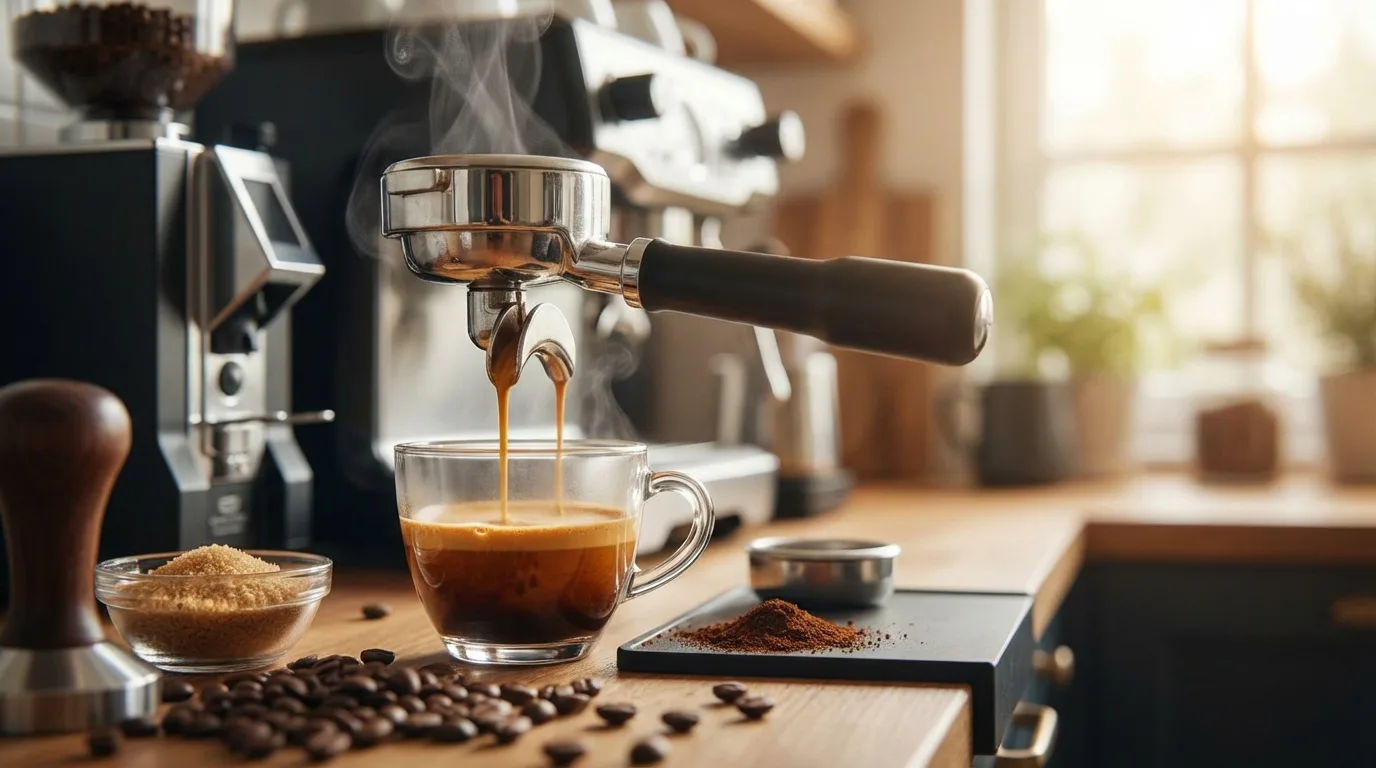
To pull the perfect espresso shot, you’ll need specific ingredients and equipment. Having the right tools ensures consistency and control over the brewing process. Investing in quality equipment can significantly improve your espresso-making experience. Below is a list of what you’ll need to get started.
| Item | Description |
|---|---|
| Espresso Machine | A quality machine capable of producing 9 bars of pressure. |
| Espresso Grinder | A burr grinder for consistent grind size. |
| Fresh Coffee Beans | High-quality, freshly roasted beans are essential. |
| Tamper | A calibrated tamper for even compression. |
| Scale | For precise dosing of coffee grounds. |
| Timer | To monitor extraction time accurately. |
| Cups | Pre-heat your espresso cups for optimal temperature. |
For a wide selection, check out our guide on the best espresso machines.
Grind Size
Grind size is arguably the most critical factor in espresso extraction. The ideal grind is fine enough to create resistance against the water flow but not so fine that it chokes the machine. Adjusting the grind size based on your machine and beans is essential for achieving a balanced shot.
For espresso, aim for a fine grind, finer than you would use for drip coffee but not powdery. The texture should resemble fine sand. If the espresso tastes sour, the grind may be too coarse. If it tastes bitter, it may be too fine. Experimentation is key!
Tamping
Tamping is the process of compressing the coffee grounds in the portafilter to create an even and dense puck. Proper tamping ensures that water flows evenly through the coffee, resulting in a balanced extraction. Inconsistent tamping can lead to channeling, where water finds the path of least resistance, causing uneven extraction.
To tamp correctly, use a calibrated tamper and apply about 30 pounds of pressure. Ensure the tamp is level for a consistent extraction. A firm, even tamp is crucial for achieving that perfect espresso shot.
Step-by-Step Method
- Tamping is the process of compressing the coffee grounds in the portafilter to create an even and dense puck.
- Proper tamping ensures that water flows evenly through the coffee, resulting in a balanced extraction.
- Inconsistent tamping can lead to channeling, where water finds the path of least resistance, causing uneven extraction.
- To tamp correctly, use a calibrated tamper and apply about 30 pounds of pressure.
- Ensure the tamp is level for a consistent extraction.
- A firm, even tamp is crucial for achieving that perfect espresso shot.
Dosing
Dosing refers to the amount of coffee grounds used for each espresso shot. Consistent dosing is vital for replicating the same flavor profile each time. An accurate scale is essential for precise dosing.
A standard double espresso shot requires about 18-20 grams of coffee grounds. Adjust the dose based on your preference and the characteristics of your beans. Too little coffee can result in a weak, sour shot, while too much can lead to a bitter, over-extracted shot.
- Use a scale for accurate measurements.
- Adjust dose based on bean type.
- Maintain consistency for repeatable results.
Extraction Time
Extraction time is the duration water is forced through the coffee grounds. The ideal extraction time for espresso is typically between 25-30 seconds. Monitoring extraction time is crucial for achieving the desired flavor profile.
If the espresso extracts too quickly (under 25 seconds), it will likely taste sour and weak. If it extracts too slowly (over 30 seconds), it will taste bitter and over-extracted. Adjust your grind size and tamping to control the extraction time and dial in your perfect shot.
| Extraction Time | Result |
|---|---|
| Under 25 sec | Sour and weak |
| Over 30 sec | Bitter and over-extracted |
Expert Recommendations
To consistently pull the perfect espresso shot, consider these expert recommendations. Mastering these techniques will improve your espresso. These guidelines are based on industry best practices and insights from experienced baristas.
Follow these recommendations to achieve barista-quality espresso at home. For more information, refer to resources like the Specialty Coffee Association.
What is the best grind size for espresso?
The best grind size for espresso is a fine grind, finer than you would use for drip coffee. It should feel like fine sand. If your espresso is sour, the grind is likely too coarse. If it’s bitter, it’s probably too fine. Adjust accordingly until you achieve a balanced flavor. According to Espresso: A Professional Approach, consistency in grind size is as important as the size itself.
How long should an espresso shot take to brew?
An espresso shot should ideally take 25-30 seconds to brew. This extraction time allows for optimal flavor development. If the shot pulls too quickly (under 25 seconds), it will be under-extracted and sour. If it pulls too slowly (over 30 seconds), it will be over-extracted and bitter. Adjust your grind size and tamping to achieve the ideal extraction time.
What is the ideal water temperature for espresso?
The ideal water temperature for brewing espresso is between 90-96°C (194-205°F). This temperature range ensures optimal extraction of flavors from the coffee grounds. Too low of a temperature can result in under-extraction and sourness, while too high of a temperature can lead to over-extraction and bitterness. Many espresso machines have temperature controls to help you maintain this ideal range.
Final Verdict
Technical DNA Comparison
| Feature | Espresso Machine | Espresso Machine |
|---|---|---|
| Price | $123.46 | $99.99 |
| Rating | ★★★★ (1493) | ★★★★ (399) |
| See Current Offer → | See Current Offer → |

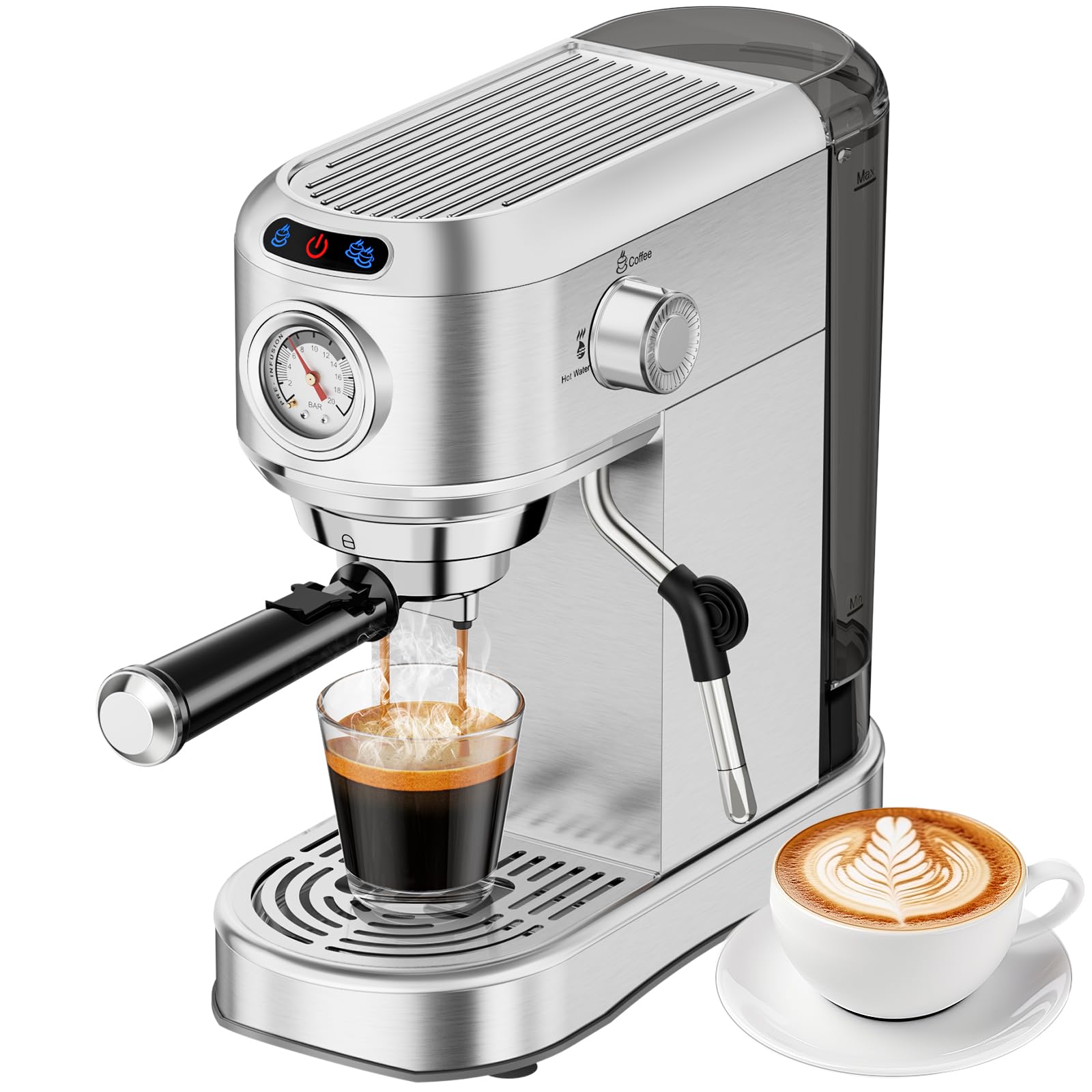
Mastering the art of pulling the perfect espresso shot requires practice and attention to detail. By following these steps and understanding the key factors involved, you can consistently create delicious, barista-quality espresso at home. Remember to focus on grind size, tamping, dosing, and extraction time to achieve optimal results.
Experiment with different beans and techniques to find your perfect espresso recipe. Enjoy!
Sources
- Espresso: A Professional Approach by David Schomer
- The World Atlas of Coffee by James Hoffmann
For more information on coffee brewing techniques, visit our guide on how to make the perfect latte.
Conclusion
Experimentation and attention to detail are key to mastering the art of espresso. With practice, you’ll be pulling perfect shots in no time!