
Expert Overview
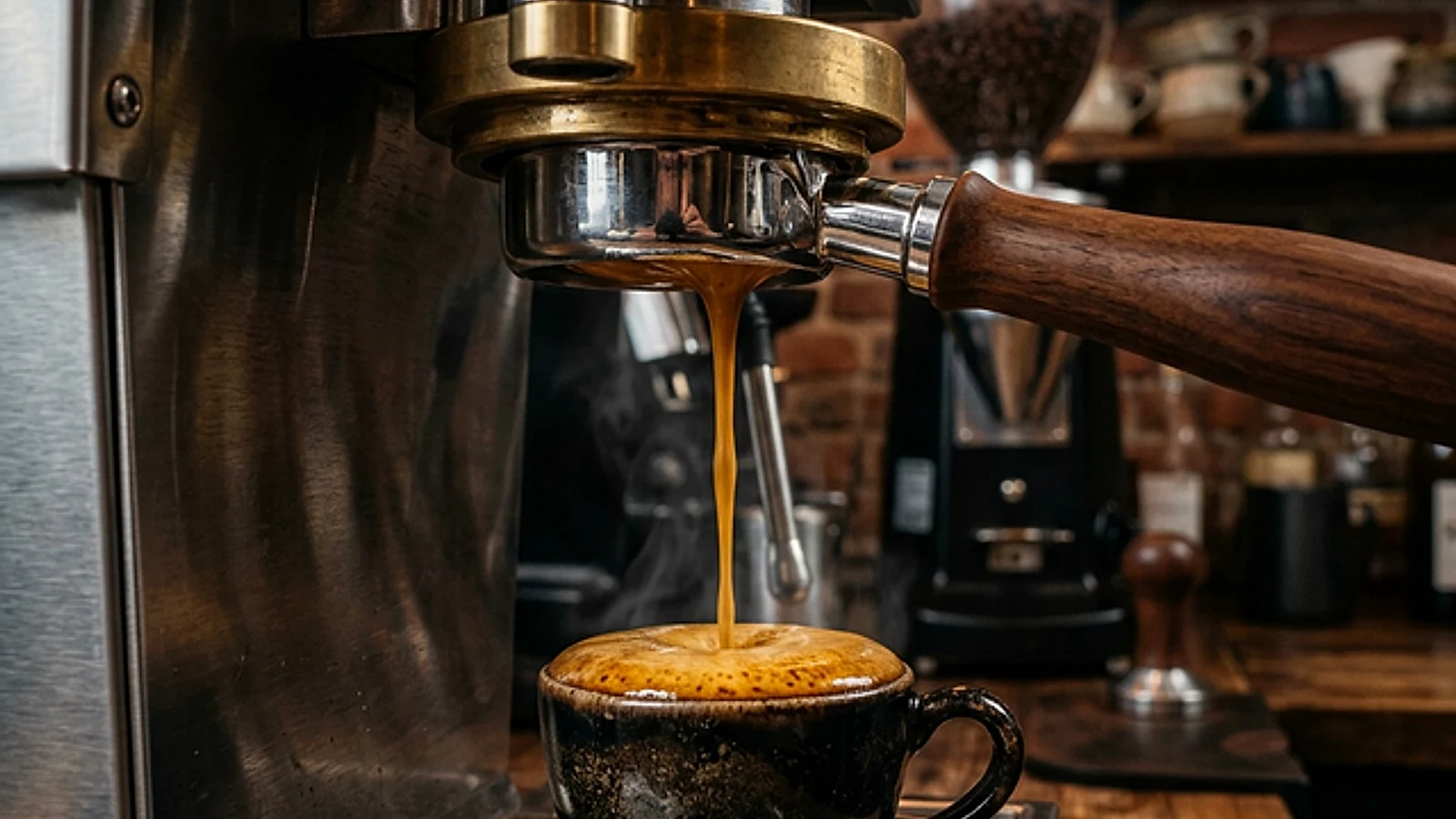
Crema — the golden, reddish-brown foam that forms on top of a well-pulled espresso shot — is caused by the emulsification of CO₂ and coffee oils under pressure. It’s often used as a shorthand for “good espresso,” but the reality is more nuanced: great crema requires the right beans, the right freshness, and the right extraction parameters.
Here’s the science and the shopping guide in one place.
Key Takeaways
Keep this article practical by pairing it with our single-origin vs blend guide and the espresso product hub when you want product context or a deeper workflow refresher.
- Freshness is the biggest crema variable — beans between 5–21 days post-roast produce the most stable crema
- Robusta beans (or blends with 10–15% Robusta) produce more crema than pure Arabica by volume
- Medium-dark roasts have more surface coffee oils than light roasts, supporting crema stability
- Single origins can produce beautiful crema but tend toward thinner crema than espresso blends
- Stale beans (over 6 weeks from roast) produce minimal crema regardless of machine or skill
The Science of Espresso Crema
During roasting, CO₂ is produced inside the bean. In the days after roasting, the bean slowly off-gasses CO₂. When you grind and brew the bean, the remaining CO₂ is forced out under 9+ bar of pressure and becomes trapped in a network of coffee oils — creating crema. Without sufficient CO₂ (stale beans) or without sufficient oils (over-extracted, very light roasts), crema collapses within seconds.
Best Espresso Beans for Crema
| Bean | Roast | Crema Quality | Flavor Profile | Price/lb |
|---|---|---|---|---|
| Lavazza Super Crema | Medium | Excellent, stable | Hazelnut, caramel, honey | ~$16 |
| Illy Classico | Medium | Good, persistent | Caramel, chocolate, jasmine | ~$22 |
| Pellini Top Arabica | Medium-dark | Excellent, thick | Dark chocolate, dried fruit | ~$18 |
| Kicking Horse Cliff Hanger | Medium | Very good | Brown sugar, dark plum | ~$16 |
| Blue Bottle Espresso | Medium | Good, clean | Hazelnut, caramel, citrus | ~$24 |
1. Lavazza Super Crema — Best Overall
Named for crema and then actually delivering on the promise — the Super Crema blend (60% Arabica, 40% Robusta) produces consistent, stable crema that holds for several minutes. The Robusta component provides foam structure while the Arabica delivers the flavor complexity. At ~$16/lb, it’s the gold standard for crema-seekers on a budget.
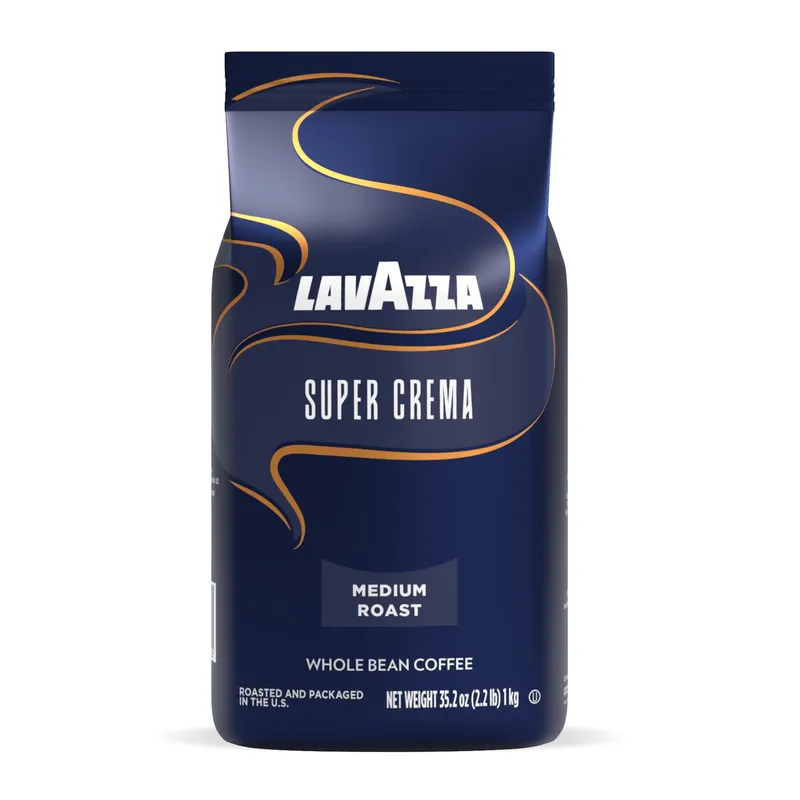
Lavazza Super Crema Whole Bean Coffee
Sip into lavazza's best-selling blend. Super crema is a full-bodied medium roast featuring aromatic notes of hazelnut and brown sugar which produces a bold taste and creamy texture in every cup. This arabica and robusta…
Check Price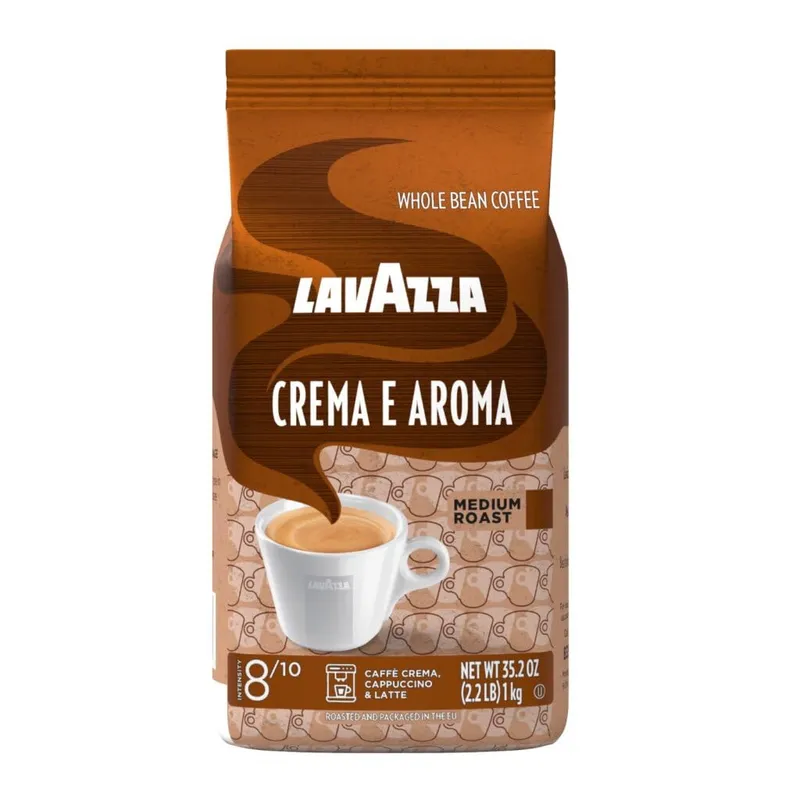
Lavazza Crema E Aroma Whole Bean Coffee Blend, 2.2-Pound Bag
Lavazza Crema e Aroma is a whole bean coffee blend crafted for espresso enthusiasts. This blend combines Arabica beans from Central and South America with African Robusta, resulting in a medium roast with an intensity…
Check Price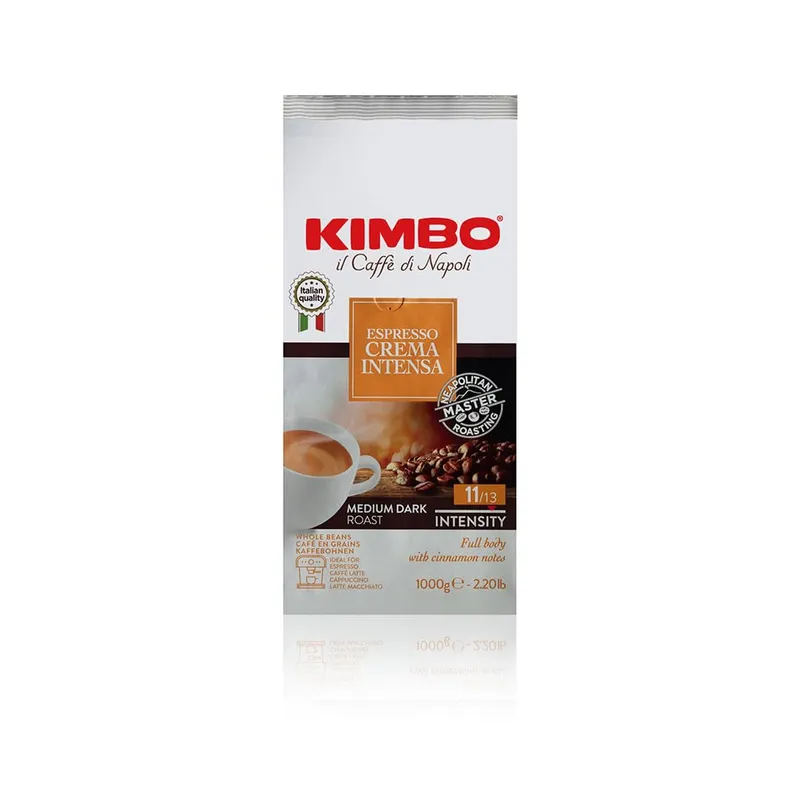
Kimbo Espresso Crema Intensa Whole Bean Coffee
Kimbo Espresso Crema Intensa offers an authentic Neapolitan coffee experience, blending Arabica and Robusta beans from South America and Asia. This medium-dark roast boasts a full body with spicy notes of cinnamon and…
Check Price2. Illy Classico — Best Single Origin-Style Blend
Illy’s 100% Arabica blend is sourced from 9 different origins and pressure-packed with nitrogen to preserve freshness. The result is consistent, creamy (not thick) crema with a flavor profile that’s cleaner and more nuanced than Robusta blends. A strong choice if you prefer lighter, brighter flavors.
Freshness vs. Blend Composition: What Matters More?
Freshness dominates. A $12/lb commodity blend that’s 10 days from roast will out-crema a $28/lb specialty single origin that’s 8 weeks old. If you can only control one variable, buy bags with a roast date printed on them and use them within 3–4 weeks.
How to Preserve Crema Potential
- Store beans in an airtight container away from light and heat (not the fridge)
- Grind just before brewing — pre-ground coffee loses CO₂ in hours
- Use water at 93–96°C (200–205°F) — too hot destroys crema structure
- Don’t tamp too hard — over-compressed pucks restrict the flow that forms crema
For a stable reference outside our own testing notes, use the National Coffee Association roasting guide for terminology, standards, or official support details.
Frequently Asked Questions
Before You Buy
Shortlist 2 to 4 options, compare practical tradeoffs side by side, then click through to a retailer only after your workflow fit is clear.