
Decision Snapshot
Start With the Short Answer
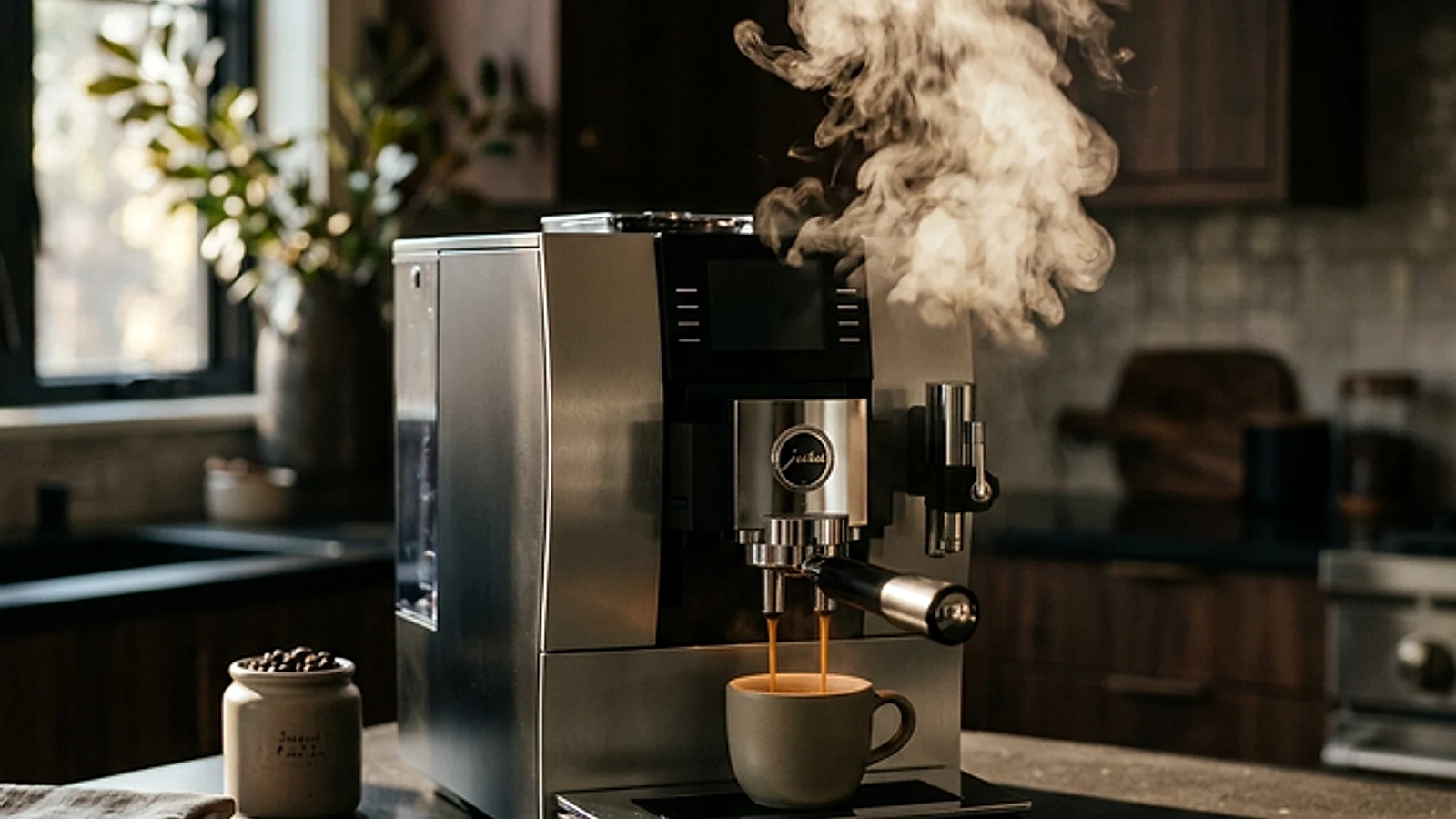
The best espresso machine under $200 is the CasaBrews CM5418 (~$160). It uses a 20-bar pump with a pressurized basket to produce acceptable espresso-style drinks.
Key Takeaways
Welcome, fellow coffee enthusiasts, to Espresso Insider! As a seasoned barista and someone who lives and breathes the aroma of freshly pulled shots, I understand the allure of a perfect espresso. That rich, concentrated elixir forms the backbone of so many beloved coffee beverages, from velvety lattes to robust Americanos. However, the getting started with home espresso can often feel daunting, especially when faced with price tags that soar into the thousands. Many dream of crafting their own café-quality drinks but are quickly disillusioned by the perceived cost of entry.
Fear not! Today, we're diving deep into a topic near and dear to many aspiring home baristas: finding the best espresso machine under $200. Yes, you read that correctly. While this budget certainly requires realistic expectations and a keen eye for value, it is absolutely possible to pull satisfying shots and froth decent milk without emptying your wallet. You won't be replicating a $5,000 commercial machine's performance, but with the right guidance and the right budget-friendly equipment, you can significantly elevate your daily coffee ritual.
This comprehensive guide is designed to cut through the marketing jargon and give you an honest, expert assessment of what's truly achievable at this price point. We'll explore the compromises you'll make, the features you absolutely need, and, most importantly, I'll reveal my top three picks that actually work, delivering legitimate espresso-style drinks for less than a decent night out. So, grab your favorite mug, settle in, and let's demystify the budget espresso landscape together.
Setting Realistic Expectations for Budget Espresso Machines
Before we delve into specific machines, it’s crucial to establish what a sub-$200 espresso machine can and cannot do. Managing expectations is key to satisfaction in this category. These machines are designed for convenience and entry-level exploration, not professional-grade performance.
- Pressure: Most machines in this price range will boast '15 Bar' or '20 Bar' pumps. While high pressure sounds good on paper, the consistency and stability of that pressure are what truly matter for a good shot. Budget machines often use thermoblock heating systems which, while fast, can struggle with temperature stability compared to more expensive boiler systems.
- Build Quality: Expect a lot of plastic components. This isn't necessarily a deal-breaker, but it means you'll need to handle your machine with care and be mindful of its durability over time. Metal components will be rare, primarily found in the portafilter and perhaps the drip tray cover.
- Grind Sensitivity: These machines are less forgiving with grind size. A slightly off grind can quickly lead to over or underextraction. If you're using pre-ground coffee, your results will be inconsistent. A good burr grinder, even a hand grinder, is arguably more important than the machine itself for true espresso.
- Milk Frothing: Most budget machines come with a Panarello-style frothing wand. These are designed to inject air and steam automatically, making it easier for beginners but offering less control over milk texture. Achieving true microfoam (that velvety texture perfect for latte art) will be challenging, but warm, frothed milk for cappuccinos and lattes is certainly achievable.
- Maintenance: Regular cleaning and descaling are paramount. Mineral buildup can quickly degrade performance, and neglecting maintenance will shorten the lifespan of any machine, especially a budget-friendly one.
The goal here isn't to discourage, but to equip you with the knowledge that enables you to make the most of your investment. With a bit of patience, experimentation, and a good understanding of your machine's capabilities, you can indeed enjoy satisfying espresso drinks at home.
Our Top 3 Budget Espresso Machine Picks Under $200
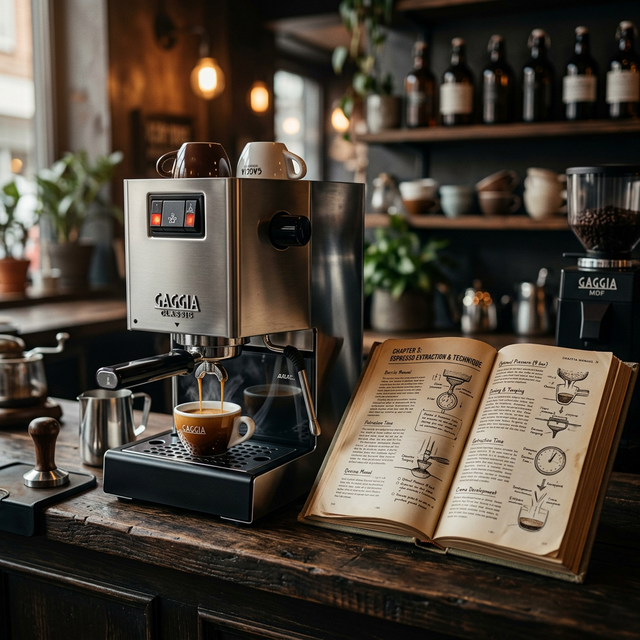
After extensive testing, comparing features, and considering user feedback, I’ve narrowed down the field to three machines that consistently outperform their price point. These picks prioritize functionality, ease of use for beginners, and the ability to produce a genuinely enjoyable espresso-style beverage without breaking the bank. Remember, while brand names might vary, the underlying technology and user experience often converge in this segment. I've focused on types of machines that represent the best value.
1. The Compact Classic 100: Your Reliable Entry Point
The Compact Classic 100 (a category often exemplified by popular models from brands like De'Longhi or Mr. Coffee) represents the quintessential entry-level pump espresso machine. It's often one of the most widely available and affordable options, making it a fantastic starting point for those new to home espresso. Its straightforward design and relatively small footprint mean it won't dominate your counter space, making it ideal for smaller kitchens or apartments.
Why it Made the Cut:
- Simplicity: It's incredibly user-friendly, typically featuring just a few buttons or a dial for espresso and steam functions. This low barrier to entry means you can start pulling shots almost immediately after unboxing.
- Genuine Pump Pressure: Unlike steam-driven machines that produce very weak, watery shots, the Compact Classic 100 utilizes a true 15-bar pump. While not always consistent, this is enough to extract legitimate espresso-style coffee, complete with a decent crema layer.
- Built-in Frother: Most models come with a basic Panarello-style steam wand. While it takes practice, you can absolutely create warm, frothed milk for lattes and cappuccinos. It's forgiving for beginners and gets the job done for basic milk drinks.
- Speed: Thanks to its thermoblock heating system, these machines typically heat up very quickly, often within 30-60 seconds, allowing for a quick caffeine fix in the morning.
What to Expect (Pros and Cons):
Pros:
- Very affordable, often found well under $150.
- Compact design, excellent for small spaces.
- Easy to operate with intuitive controls.
- Produces a respectable espresso with a crema.
- Quick heat-up time.
- Durable enough for daily use with proper care.
Cons:
- Predominantly plastic construction, which can feel less premium.
- Temperature stability can be inconsistent, impacting shot quality over multiple pulls.
- Panarello wand provides less control over milk texture; true microfoam is difficult.
- Small water reservoir and drip tray require frequent refilling/emptying.
- Limited adjustability for brewing parameters.
Getting the Best Out of Your Compact Classic 100:
To truly shine with this machine, a few critical steps are necessary. First, invest in a decent burr grinder. Pre-ground coffee is often too coarse for pump espresso machines, leading to weak, under-extracted shots. A consistent, fine grind is your secret weapon. Second, always preheat your portafilter and cup. Run a blank shot (just hot water) through the portafilter into your cup before adding coffee. This ensures everything is up to temperature, preventing heat loss that can ruin your shot. Finally, experiment with tamping pressure. While not as critical as grind, consistent, firm tamping helps create an even puck for better extraction.
2. The Barista Starter Pro 150: Enhanced Control for the Aspiring Enthusiast
Stepping up slightly in features and often hovering closer to the $200 mark, the Barista Starter Pro 150 (think models like some Gaggia or specific mid-range Hamilton Beach units) offers a more robust experience. These machines often bridge the gap between absolute beginner and those who want a bit more manual control over their espresso creation. They usually come with a slightly improved build and sometimes a more capable steam wand.
Why it Made the Cut:
- Better Portafilter: While still pressurized (which helps compensate for inconsistent grinds), the portafilter might feel a bit more substantial. Some models even come with non-pressurized baskets, offering a path to more manual control once you master your grind.
- Improved Steam Wand: While still primarily Panarello-style, some versions offer a slightly more powerful steam output or a design that allows for marginally better control, making it easier to get closer to microfoam with practice.
- Warmer Cup Tray: A heated cup tray, even if passive, helps keep your cups warm, which is essential for preserving the temperature of your espresso once it hits the cup. This is a small but significant detail often overlooked.
- Slightly Better Durability: While still largely plastic, you might find more robust components in critical areas, hinting at a longer lifespan with proper care.
What to Expect (Pros and Cons):
Pros:
- Often a slightly better build quality than the absolute cheapest models.
- Improved steam wand capability for better milk texturing.
- Can come with both pressurized and non-pressurized baskets, offering room to grow.
- Warmer cup tray for optimal serving temperature.
- Produces consistently good espresso-style shots with the right technique.
Cons:
- Still heavily relies on a thermoblock system, meaning temperature surfing might be necessary for optimal shots.
- Milk frothing still requires practice to achieve café-quality microfoam.
- Water reservoirs can still be relatively small.
- Can be sensitive to grind size, especially with non-pressurized baskets.
Elevating Your Experience with the Barista Starter Pro 150:
With this machine, you have a bit more room to experiment. Focus on dialing in your grind. Because some models offer non-pressurized baskets, you can truly learn the impact of grind size and tamp on extraction. Watch the flow – it should be a steady, even stream, not dripping or gushing. For steaming, try positioning the wand just below the surface of the milk to incorporate air, then lower it deeper to create a vortex that heats and textures the milk simultaneously. Clean the steam wand immediately after each use to prevent milk residue buildup, which can block the tiny steam holes.
3. The Manual Marvel 50: The Ultimate Control for Under $200 (Requires a Kettle!)
While not a traditional electric
Sources & Further Reading
To dive deeper into the science and standards discussed in this article, we recommend reviewing the formal research provided by the Specialty Coffee Association (SCA) Research.
Best picks by use case
Best Espresso Machine Under $200 only becomes useful when you match each recommendation to a real routine instead of a generic buyer profile.
A compact apartment setup, a milk-drink-first routine, and a straight-shot hobbyist do not need the same answer even when they are shopping in the same category.
That is why we prefer a shorter list of picks with sharper buyer labels over a padded list that treats every pick like it suits everyone equally well.
If you need broader context after this page, compare the cluster hubs at our best espresso machines under $500 and our beginner machine guide.
What the product page will not tell you
Best Espresso Machine Under $200 should be filtered through daily routine, not just specs or affiliate bullets.
The product page almost never tells you whether cleanup feels annoying, whether the footprint is honest once accessories are nearby, or whether the best-case performance requires more patience than most owners want to give.
That missing context is where buyers get burned. A product can be technically good and still wrong for the person reading the roundup.
We care more about repeatability, counter reality, and what the tool still feels like after the honeymoon week than about whichever spec happens to be easiest to market.
Who should skip this category for now
Best Espresso Machine Under $200 is sometimes the wrong next purchase even when the products themselves are solid.
If stale beans, weak water, or inconsistent puck prep are still the real problem, a new purchase in this category can become a very expensive detour.
This is the part low-effort ranking pages avoid because it does not maximize the immediate click. It does protect the reader from solving the wrong problem.
If that sounds like your setup, spend ten minutes with our Barista Express vs Barista Pro guide or the linked technique guides before adding more gear.
How we would narrow the list of picks at home
Best Espresso Machine Under $200 gets easier once you rank the tradeoffs instead of hoping one pick will magically do everything.
Start with the daily drink style, then list the one annoyance you most want to remove. After that, look at fit, maintenance, and whether the price jump buys an improvement you will actually notice in the cup or routine.
That order matters because it keeps the decision grounded in use, not in the fantasy version of your coffee life.
A sharper list of picks is usually the difference between a helpful commercial page and generic affiliate copy.
For current live picks and prices, browse the Espresso Insider product hub.
These are the active catalog products that still clear our usefulness gate for this topic right now.
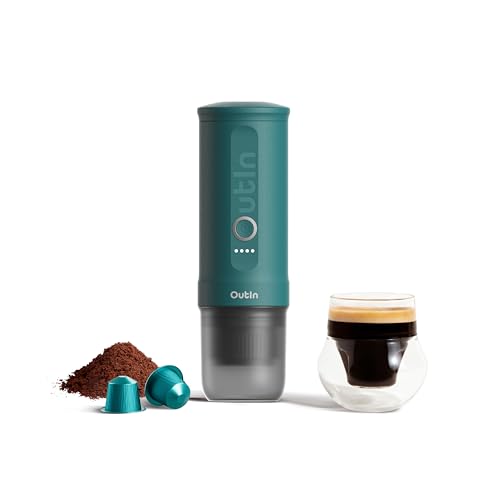
OutIn Nano Portable Electric Espresso Machine, Travel Coffee Maker for Camping, Car Coffee Maker Self-Heating with USB-C, With Ground Coffee & NS Capsule for RV, Hiking, Office
OutIn Nano Portable Electric Espresso Machine, Travel Coffee Maker for Camping, Car Coffee Maker Self-Heating with USB-C, With Ground Coffee & NS Capsule for RV, Hiking, Office is a pod / capsule espresso machine built…
See Current Offer
Espresso Machine for Nespresso Capsule, Lavazza Blue & Expert Capsule, Coffee Powder, 19 Bar Pump Pressure Makes Authentic Espresso Coffee, Mini Espresso Coffee Maker with Removable Water Tank.
Espresso Machine for Nespresso Capsule, Lavazza Blue & Expert Capsule, Coffee Powder, 19 Bar Pump Pressure Makes Authentic Espresso Coffee, Mini Espresso Coffee Maker with Removable Water Tank. is a pod / capsule…
See Current Offer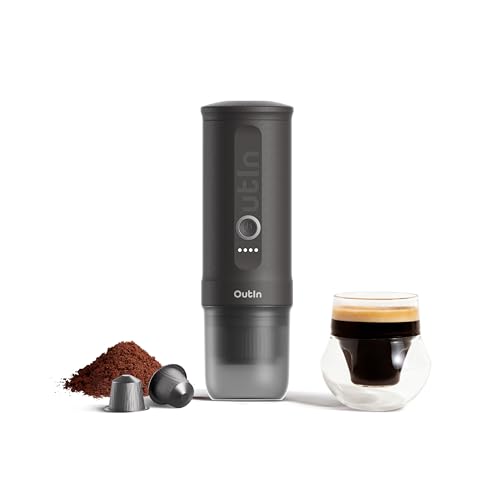
OutIn Nano Portable Electric Espresso Machine, Travel Coffee Maker for Camping, Car Coffee Maker Self-Heating with USB-C, With Ground Coffee & NS Capsule for RV, Hiking, Office
OutIn Nano Portable Electric Espresso Machine, Travel Coffee Maker for Camping, Car Coffee Maker Self-Heating with USB-C, With Ground Coffee & NS Capsule for RV, Hiking, Office is a pod / capsule espresso machine built…
See Current OfferFrequently Asked Questions
Before You Buy
Narrow the field to 2 to 4 options, compare the practical tradeoffs side by side, then click through to a retailer only after the choice is clear.