 Barista GuidesRead article: Espresso Con Panna Recipe
6 min read
Espresso Con Panna Recipe
Espresso con panna should taste like real espresso first, with whipped cream acting as contrast instead of camouflage.
Read ArticleBrowse our barista guides — practical, tested advice for every skill level. Pick an article and apply one change at a time.
Barista GuidesRead article: Espresso Con Panna RecipeEspresso con panna should taste like real espresso first, with whipped cream acting as contrast instead of camouflage.
Read Article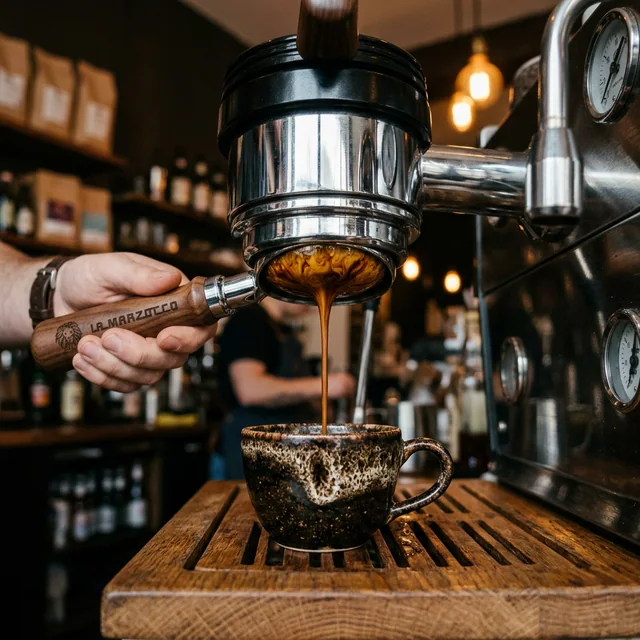 Barista GuidesRead article: What Causes Channeling in Espresso
Channeling in espresso usually comes from uneven puck density, bad headspace, or a grind choice that gives water an easy escape route.
Read ArticleBarista GuidesRead article: Affogato Recipe at HomeA good affogato is hot espresso over cold ice cream with just enough restraint that both elements still taste like themselves.
Read ArticleBarista GuidesRead article: Espresso Dose Yield Ratio ChartAn espresso dose-to-yield ratio chart gives you a repeatable starting point, but the useful part is knowing when to stop obeying the chart and start listening to the cup.
Read Article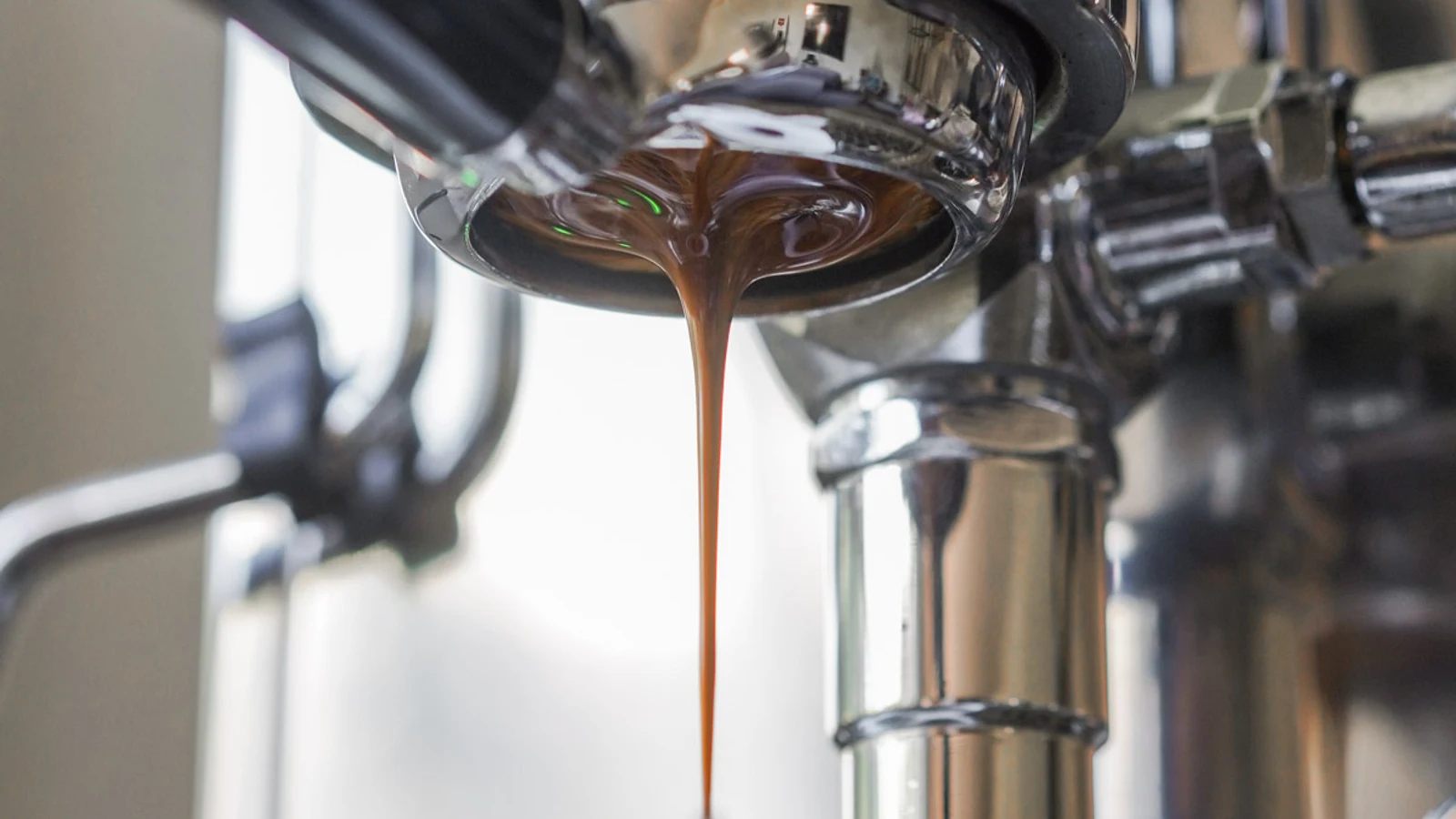 Barista GuidesRead article: Espresso Extraction Time: When the 25-30 Second Rule Helps and When It Does Not
The 25-30 second rule is a useful espresso starting point, not a law. Use shot time to diagnose your recipe, but let taste, brew ratio, and puck prep decide whether the shot is actually right.
Read Article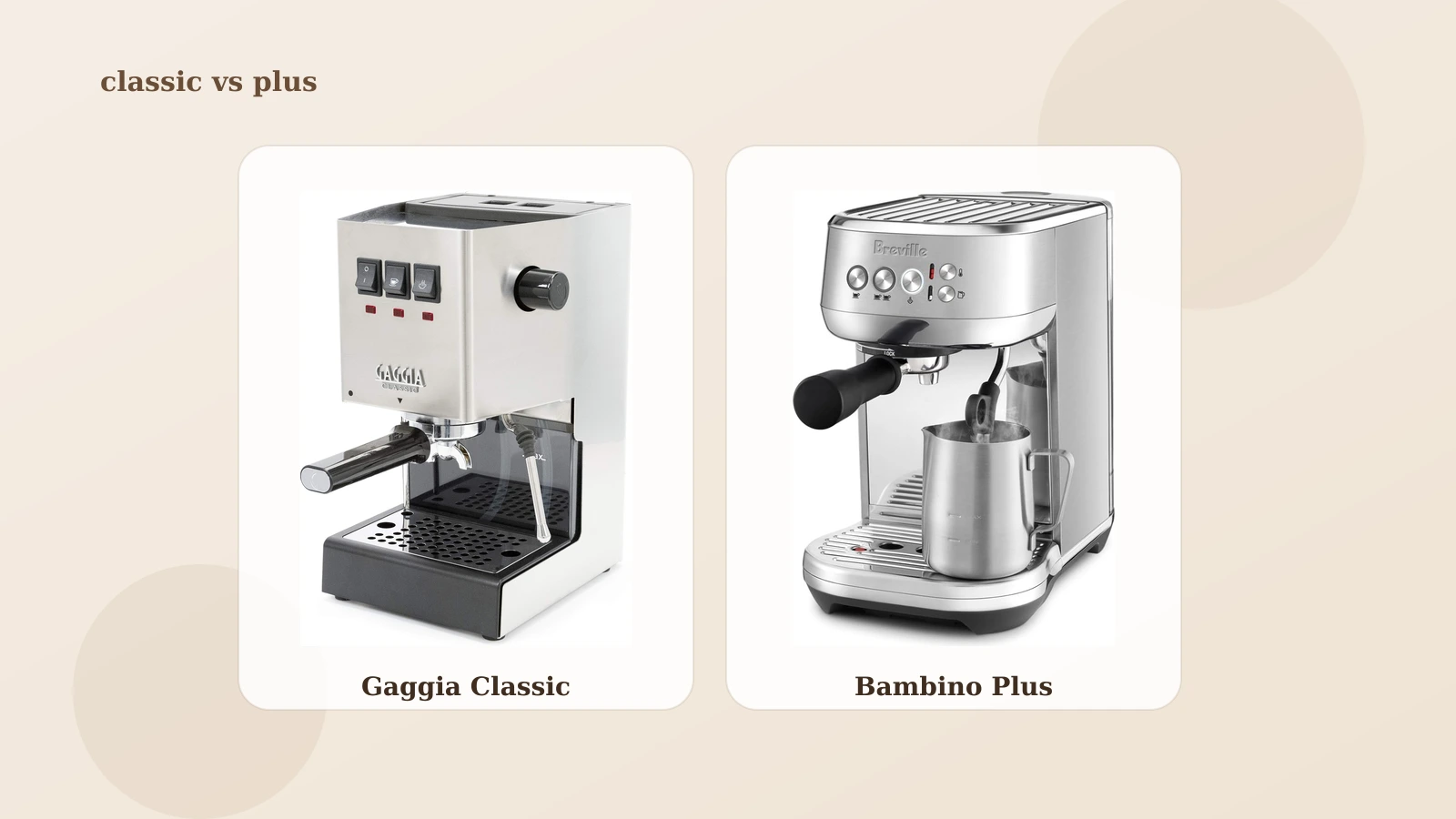 Barista GuidesRead article: Gaggia Classic Pro vs Breville Bambino Plus: Which One Ages Better?
Choose the Bambino Plus for faster milk drinks and easier mornings. Choose the Gaggia Classic Pro if you want a longer-term 58mm platform and can tolerate a more manual routine.
Read Article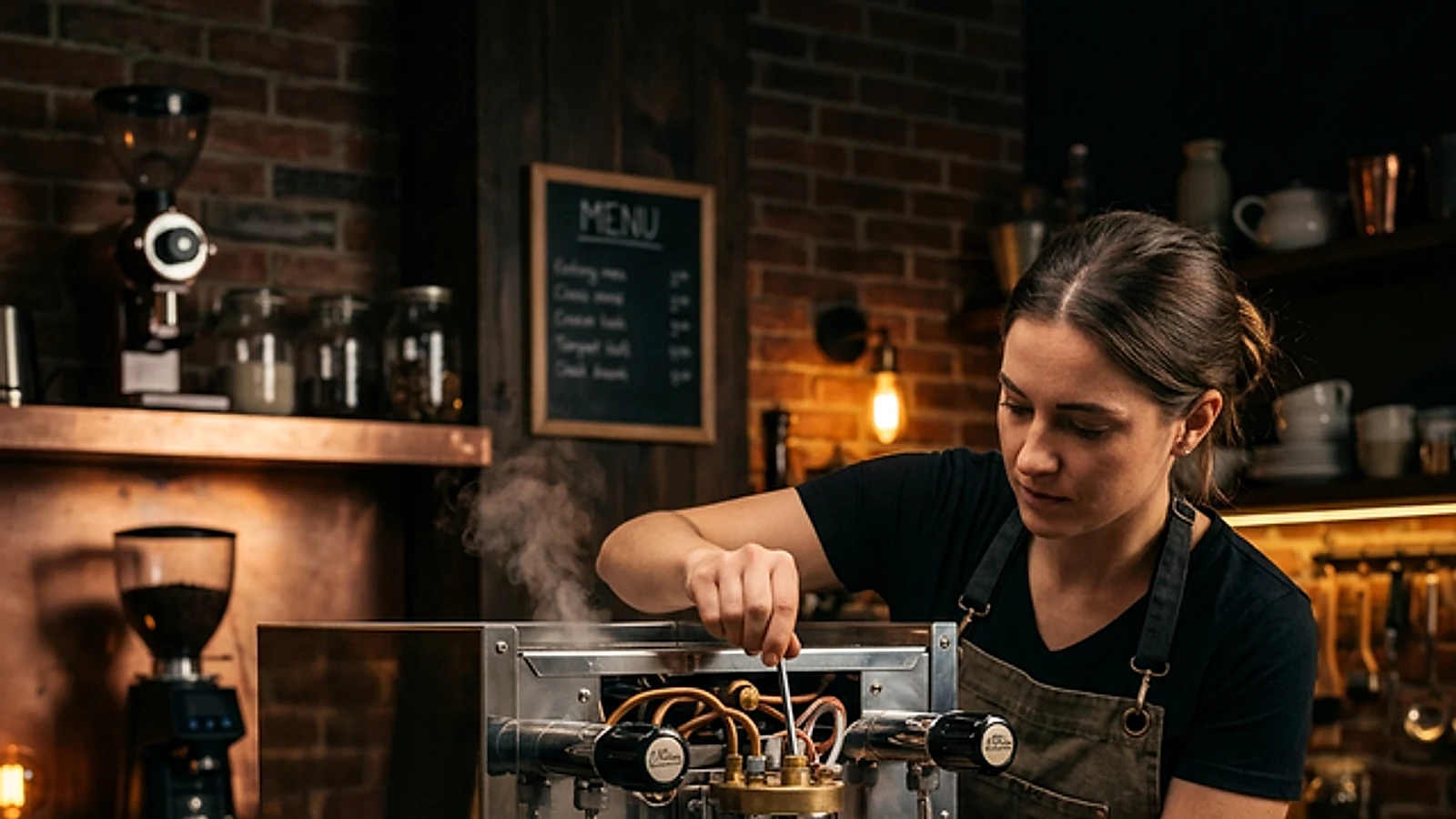 Barista GuidesRead article: Breville Barista Express Manual: Official Navigation Guide
Use this plain-English Breville Barista Express manual guide to dial in the grinder, pull cleaner shots, steam milk correctly, and keep the machine maintained.
Read Article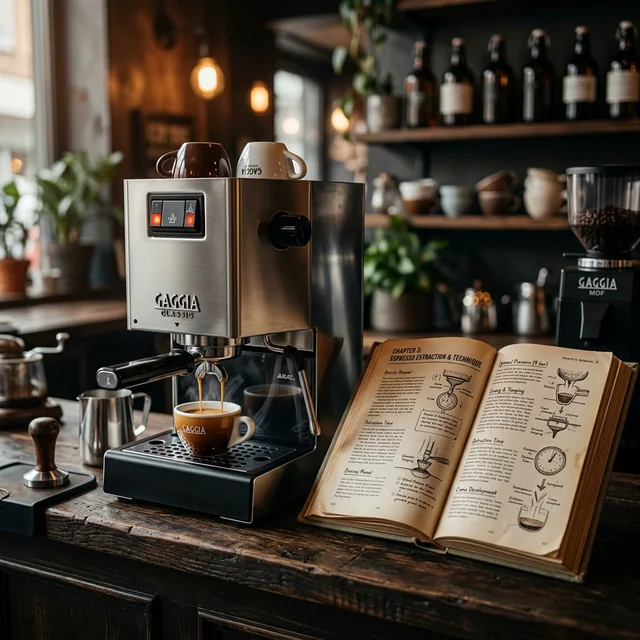 Barista GuidesRead article: Gaggia Classic Pro User Manual: Official Navigation Guide
This Gaggia Classic Pro manual guide covers switch logic, warm-up habits, steaming, maintenance, and the routine basics that matter most in real use.
Read Article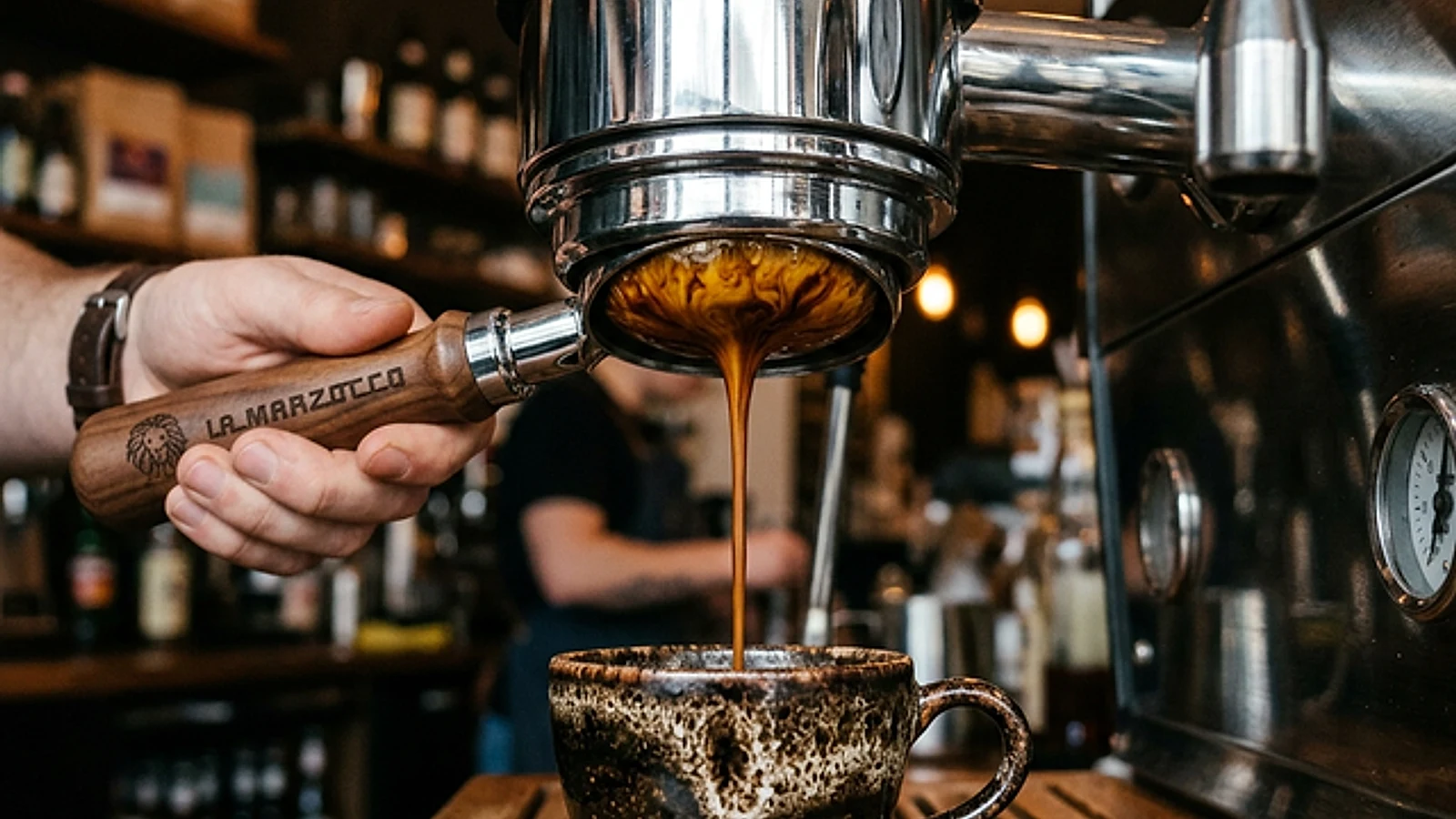 Barista GuidesRead article: How To Distribute Espresso Grounds: Complete Guide
Good espresso distribution means breaking up clumps, evening the bed, and stopping before you overwork the puck.
Read Article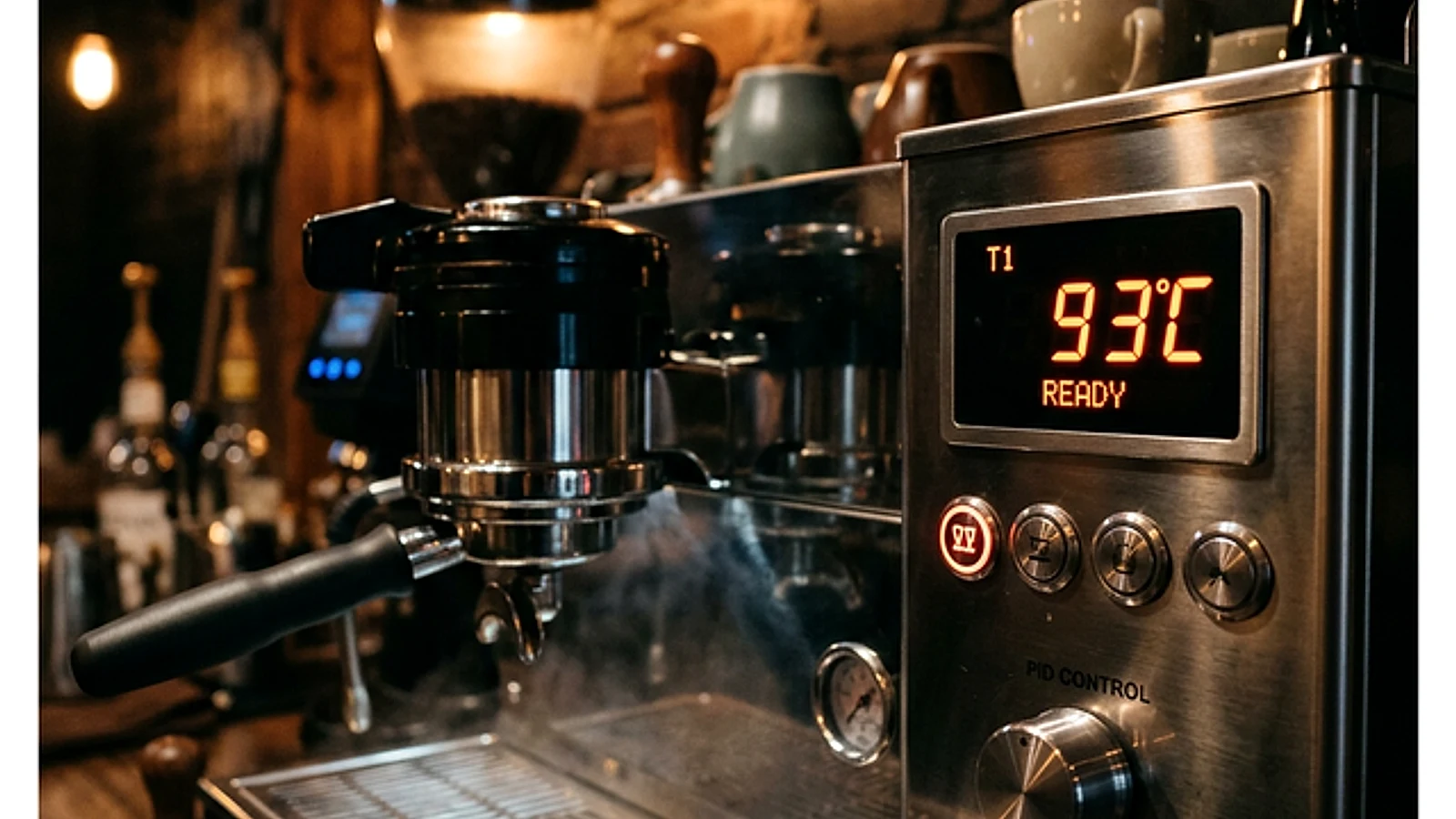 Barista GuidesRead article: Temperature Stability In Espresso: Complete Guide
Temperature stability shapes sweetness, body, and clarity in espresso because a machine that drifts too much changes extraction mid-shot.
Read Article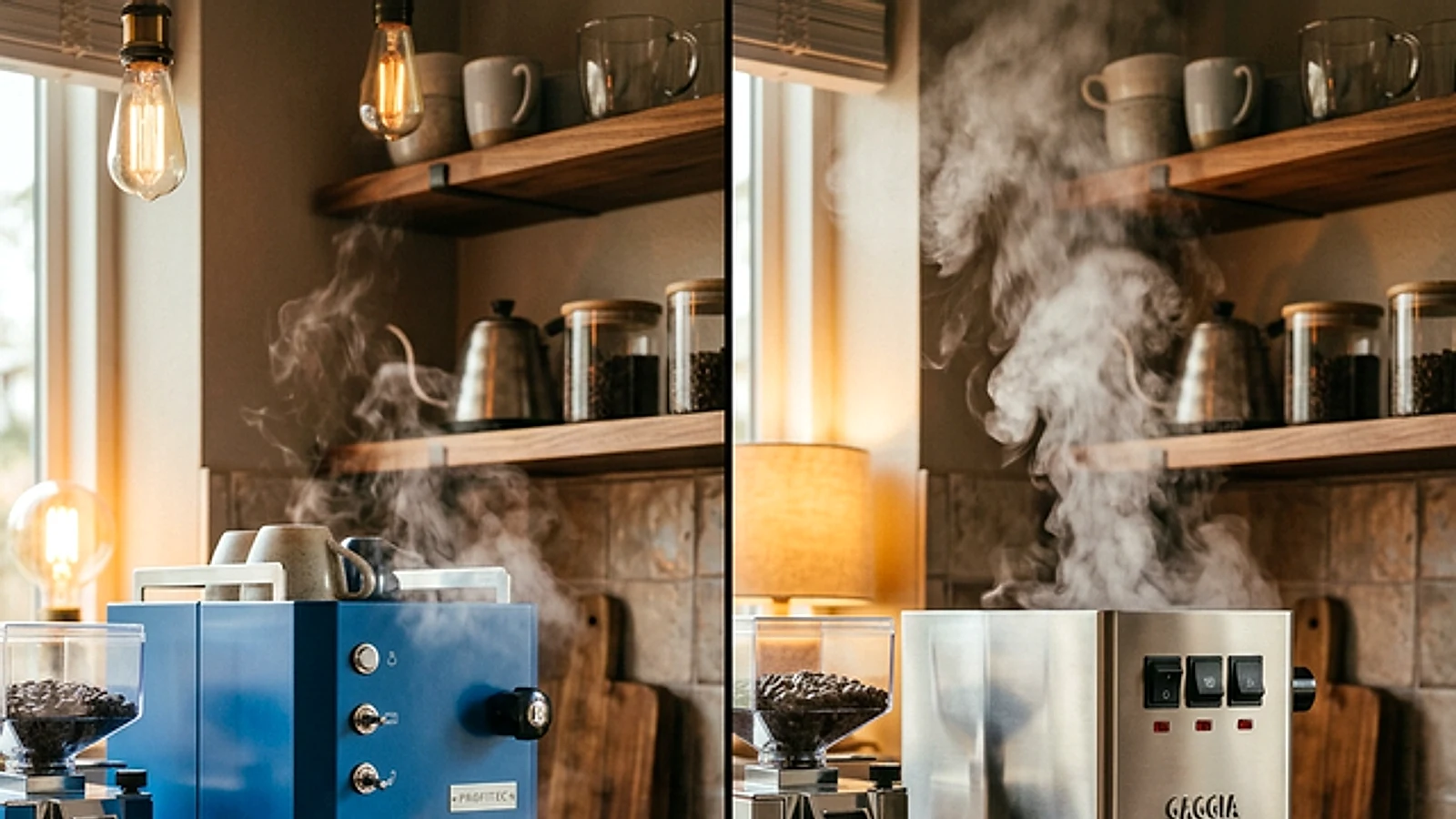 Barista GuidesRead article: Espresso Machine Troubleshooting: 8 Common Problems and Fixes
Espresso machine issues? This troubleshooting guide covers the 8 most common problems — from no crema to leaking portafilters — with step-by-step fixes.
Read Article Barista GuidesRead article: Mocha Latte Recipe With Cocoa Powder: Step-By-Step Recipe
A mocha latte with cocoa powder works best when the chocolate deepens the espresso instead of flattening it into sugary cafe sludge.
Read ArticleThis category is organized for practical implementation: what to change, why it matters, and what outcome to expect in the cup. Combine guides with product research on the catalog and compare pages to validate tradeoffs before buying.
Combine one article with one concrete experiment per session. If you read about grind adjustments, run a controlled test on shot time and taste. Treat this section as a decision system — build a short list of methods to apply this week and let measured results guide your next step.
Join the newsletter for the setup checklist, dial-in notes, and practical buying guidance we use to keep home espresso repeatable.
Setup checklists, dial-in notes, and practical brew tips • Unsubscribe anytime