

Expert Overview
Key Takeaways: Taming Bitter Espresso
Quick answer: how to fix bitter espresso works best when you control ingredient quality, timing, and temperature with precision. Follow the exact sequence below to keep texture smooth, sweetness balanced, and flavor concentrated, so every cup tastes consistent from the first sip to the last.
Bitter espresso stems from over-extraction, where too many undesirable compounds are pulled from the coffee grounds during brewing. Here’s how to fix it:
- Coarsen your grind: A finer grind increases extraction and bitterness. Adjust to a slightly coarser setting.
- Lower water temperature: Ideal brewing temperature is 90-96°C (194-205°F). High temps extract more bitterness.
- Shorten extraction time: Aim for 25-30 seconds. Longer pulls over-extract bitter compounds.
- Check tamping pressure: Uneven or excessive tamping causes channeling and uneven extraction.
- Use fresh coffee: Stale beans oxidize and taste bitter. Grind just before brewing.
These adjustments work together to balance acidity, sweetness, and body in your espresso. Start with grind size, then fine-tune temperature and time. For more techniques to elevate your home barista skills, explore our Espresso Insider product catalog.
What Causes Bitter Espresso?
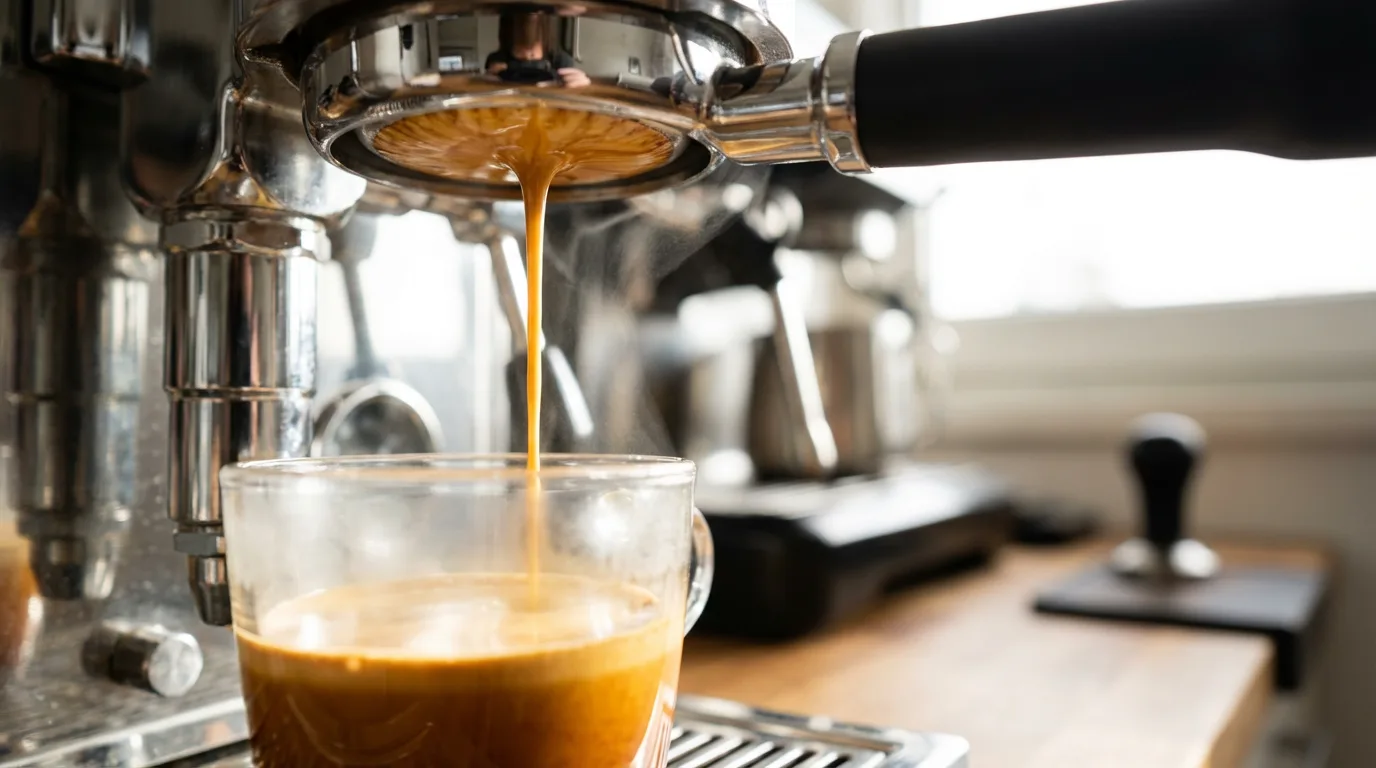
Bitter espresso is caused by over-extraction, a process where hot water pulls too many chemical compounds from the coffee grounds, including harsh-tasting phenols and melanoidins. During brewing, water first extracts desirable acids and sugars, then moves to bitter compounds. When extraction goes too long or too hot, these bitter elements dominate the cup.
Over-extraction happens when:
- Grind size is too fine: More surface area means water extracts compounds faster and more completely.
- Water temperature exceeds 96°C (205°F): Higher heat accelerates extraction of bitter phenolic compounds.
- Extraction time runs beyond 30 seconds: The longer water contacts grounds, the more bitterness is pulled.
- Coffee is stale or oxidized: Old beans have degraded oils that taste harsh and flat.
According to the Specialty Coffee Association, optimal espresso extraction balances soluble compounds to achieve 18-22% extraction yield. Beyond this range, bitterness overwhelms the natural sweetness and acidity that define quality espresso. Understanding this extraction window is the foundation for every fix in this guide.
Understanding Espresso Extraction: The Core Concept
Espresso extraction is the process of dissolving soluble compounds from ground coffee using hot, pressurized water—and achieving the right balance determines whether your shot tastes bright, sweet, and complex or harsh and bitter.
Extraction happens in three phases:
- Early extraction (0-10 seconds): Water dissolves acids and light aromatics, creating brightness and fruity notes.
- Middle extraction (10-20 seconds): Sugars and caramels dissolve, adding sweetness and body.
- Late extraction (20-30+ seconds): Bitter phenols, tannins, and heavy compounds emerge.
Under-extraction occurs when water doesn’t pull enough compounds, resulting in sour, thin, and salty espresso. Over-extraction happens when water pulls too much, flooding the cup with bitterness and astringency.
The goal is to stop extraction at the sweet spot—typically 25-30 seconds for a 1:2 brew ratio (18g coffee to 36g liquid espresso). Variables like grind size, water temperature, and pressure all influence extraction speed and completeness. When these variables drift out of range, bitterness takes over.
Freshly ground coffee is critical. Once ground, coffee oxidizes rapidly, and stale grounds extract bitterness faster than desirable flavors. The Coffee Quality Institute recommends grinding immediately before brewing to preserve volatile aromatics and minimize oxidation-related bitterness.
Step-by-Step Guide: Fixing Bitter Espresso
Follow this systematic troubleshooting process to eliminate bitterness and restore balance to your espresso. Each step addresses a specific extraction variable. Make one adjustment at a time, pull a test shot, and taste before moving to the next step.
Detailed Workflow:
Step 1: Assess your current shot. Pull a baseline espresso and note extraction time, yield, and taste. If it’s bitter, astringent, or hollow, proceed.
Step 2: Adjust grind size. This is the most impactful variable. Coarsen your grind by one or two clicks. A coarser grind reduces surface area, slowing extraction and limiting bitter compound release. Pull a test shot. If it’s still bitter, coarsen further. If it becomes sour or weak, you’ve gone too far—dial back.
Step 3: Check water temperature. Most espresso machines brew between 90-96°C (194-205°F). If your machine allows temperature control, lower it by 2-3°C. High temperatures accelerate extraction of phenols and tannins. If you’re using a machine without temp control, consider pre-heating less or flushing the group head briefly before brewing.
Step 4: Monitor extraction time. Aim for 25-30 seconds from the moment you start the pump to when you stop. If your shot runs longer, it’s over-extracting. Adjust grind coarser or dose slightly less coffee. If it runs faster than 25 seconds, tighten the grind.
Step 5: Refine tamping technique. Inconsistent tamping creates channels—paths of least resistance where water flows too quickly, leaving some grounds under-extracted and others over-extracted. Use even, moderate pressure (about 30 pounds of force). Avoid twisting or uneven distribution.
Step 6: Use fresh coffee. Stale coffee tastes flat and bitter. Grind beans immediately before brewing. Store whole beans in an airtight container away from light and heat. Consume within two weeks of roasting for peak flavor.
For more advanced brewing techniques and equipment recommendations, check out our guide on building the perfect home espresso setup.
Adjusting Your Grind Size for Optimal Flavor
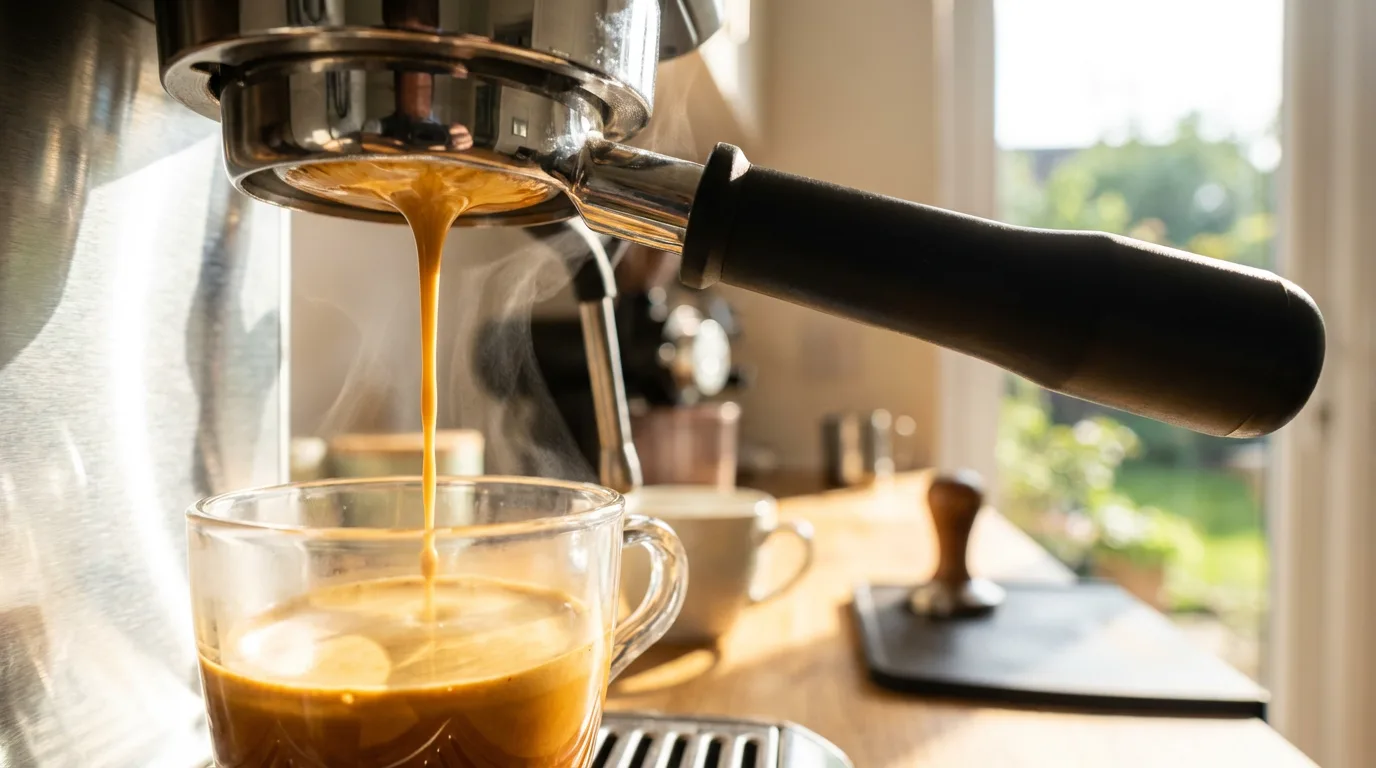
Grind size is the single most powerful lever for controlling espresso extraction and eliminating bitterness. A grind that’s too fine increases surface area, allowing water to extract compounds faster and more completely—including the bitter phenols and tannins you want to avoid.
How grind size affects extraction:
- Fine grind: High resistance, slow flow, longer contact time, more extraction, more bitterness.
- Coarse grind: Low resistance, fast flow, shorter contact time, less extraction, less bitterness (but risk of sourness if too coarse).
Practical adjustment process:
- Start with your current grind setting. Pull a shot and taste. If it’s bitter, note your grinder setting.
- Coarsen by 1-2 notches. On a stepped grinder, move one or two clicks coarser. On a stepless grinder, rotate the adjustment collar slightly counterclockwise.
- Pull a test shot. Observe flow rate and extraction time. A coarser grind should speed up the shot slightly.
- Taste and iterate. If bitterness persists, coarsen further. If the shot becomes sour, weak, or watery, you’ve gone too far—dial back one notch.
Visual cues:
- Too fine: Espresso drips slowly, extraction exceeds 35 seconds, crema is dark and thin.
- Ideal: Espresso flows like warm honey, extraction finishes in 25-30 seconds, crema is thick and golden.
- Too coarse: Espresso gushes out, extraction finishes in under 20 seconds, crema is pale and bubbly.
Coffee selection matters. Darker roasts like Starbucks Dark Roast Ground Coffee — Espresso Roast are more prone to bitterness due to longer roasting times that develop bitter compounds. If you’re using a dark roast, start with a slightly coarser grind and lower water temperature to compensate. For a more balanced baseline, consider a medium roast blend like Lavazza Super Crema Whole Bean Coffee, which combines Arabica and Robusta for a naturally sweeter profile with hazelnut and brown sugar…
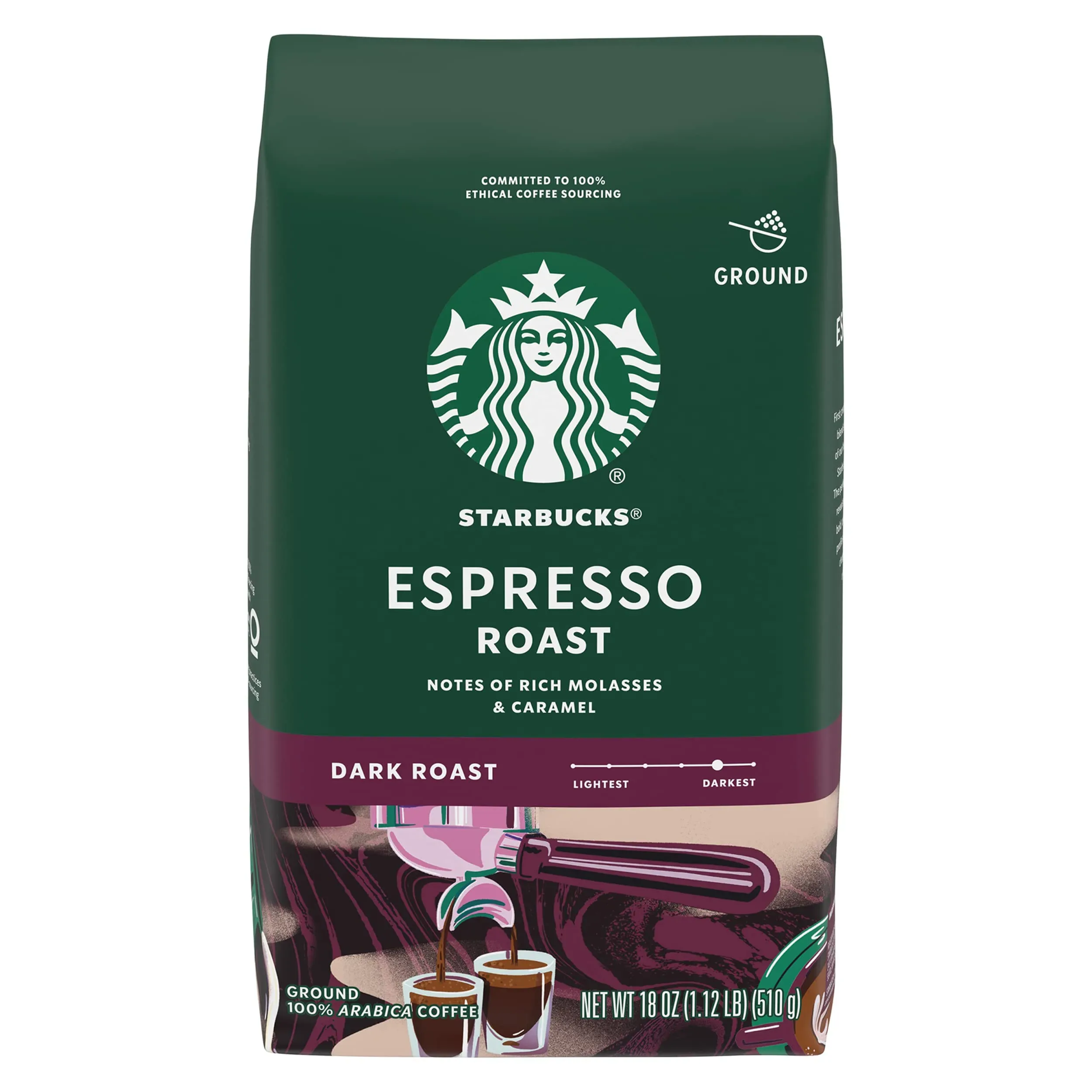
Starbucks Dark Roast Ground Coffee — Espresso Roast
- Starbucks Espresso Roast is intense, caramelly sweet and perfect with steamed milk
- Darker-roasted coffees have fuller body with robust, bold taste
- Enjoy the Starbucks coffee you love without leaving the house
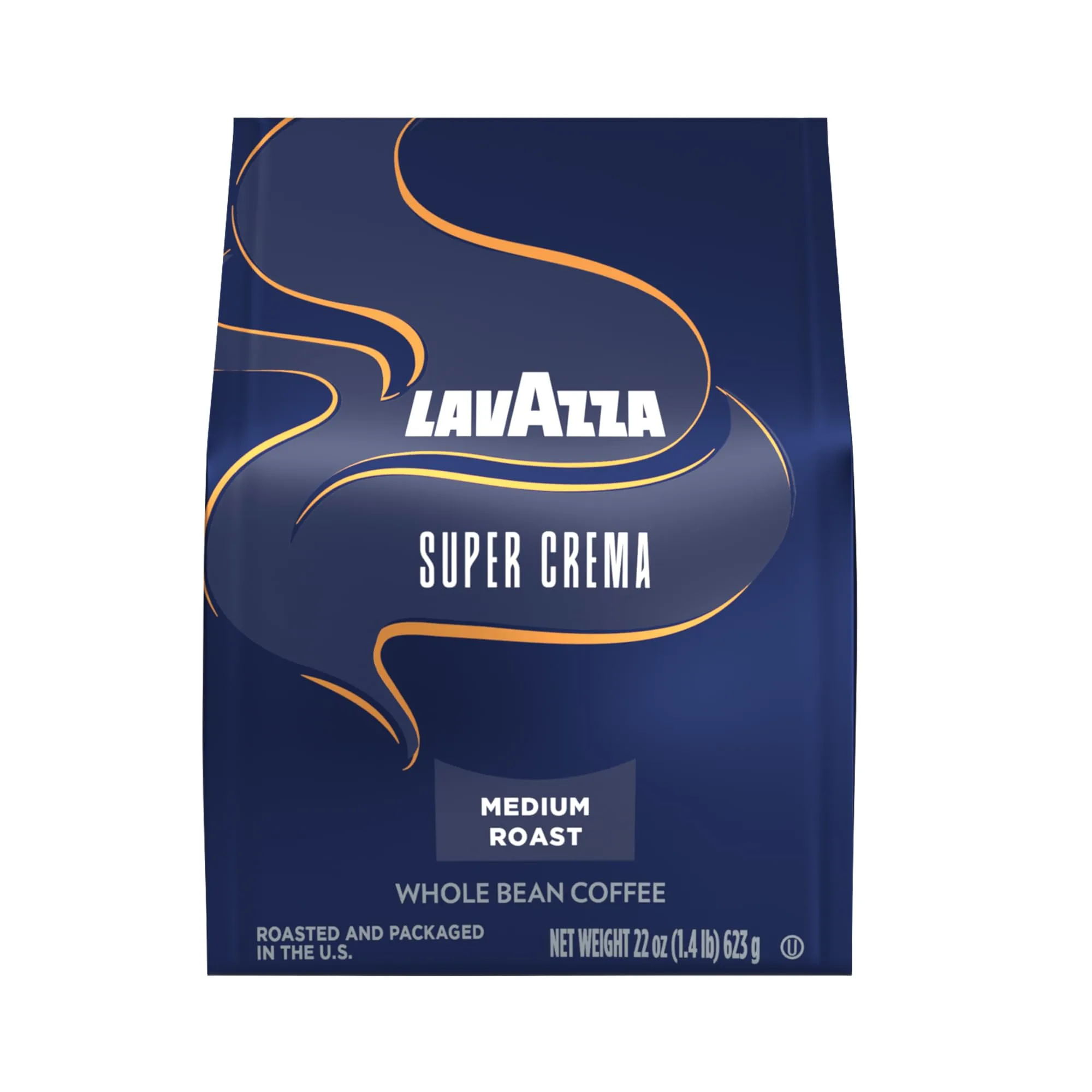
Lavazza Super Crema Whole Bean Coffee
- SUPER CREMA: A 22 oz whole bean coffee bag ideal for espresso preparation
- INTENSITY AND ROAST: This full-bodied medium roast offers a bold and creamy finish
- BLEND: Made from Arabica and Robusta beans, this naturally caffeinated blend is sourced from 15 coffee-growing countries around the world
Perfecting Your Tamping Technique
Tamping compresses the coffee puck to create uniform resistance, ensuring water flows evenly through all grounds—but inconsistent or excessive tamping causes channeling, leading to simultaneous under-extraction and over-extraction that produces bitterness.
What is channeling? When water finds a path of least resistance through the puck, it rushes through certain areas while bypassing others. The channeled zones over-extract (bitter), while untouched zones under-extract (sour). The result is a harsh, unbalanced shot.
Proper tamping technique:
- Distribute grounds evenly. Before tamping, use a distribution tool or tap the portafilter sides gently to level the coffee bed. Avoid high spots or gaps.
- Apply consistent pressure. Press straight down with about 30 pounds of force (roughly the pressure needed to compress a bathroom scale to 30 lbs). The exact pressure matters less than consistency.
- Keep the tamper level. An uneven tamp creates slopes in the puck, causing water to flow faster on one side.
- Don’t twist. Twisting the tamper after pressing can create micro-cracks in the puck surface, inviting channeling.
- Polish lightly. After tamping, some baristas give a light spin to smooth the surface—but this is optional and should be gentle.
Common tamping mistakes:
- Too much pressure: Over-compacting the puck can slow extraction excessively, leading to over-extraction and bitterness.
- Uneven pressure: Tilting the tamper creates an uneven puck, causing channeling.
- Inconsistent routine: Varying your tamp pressure shot-to-shot makes it impossible to dial in grind size accurately.
Pro tip: If you’re still experiencing bitterness after adjusting grind and temperature, inspect your spent puck. A properly extracted puck should be firm, evenly saturated, and easy to knock out. If you see dry spots, channels, or a…
Frequently Asked Questions
Why does my espresso taste bitter even with fresh beans?
Bitter espresso with fresh beans usually indicates over-extraction from grind size that’s too fine, water temperature above 96°C, or extraction time exceeding 30 seconds. Adjust grind coarser first, then lower temperature by 2-3°C if needed.
Can I fix bitter espresso by adding milk or sugar?
Milk and sugar mask bitterness but don’t fix the underlying extraction problem. Proper adjustments to grind, temperature, and time will produce a naturally balanced shot that tastes great on its own or in milk-based drinks.
How do I know if my espresso is over-extracted or under-extracted?
Over-extracted espresso tastes bitter, astringent, and hollow with thin, dark crema. Under-extracted espresso tastes sour, salty, and weak with pale, bubbly crema. Ideal extraction is balanced with thick, golden crema and sweet, complex flavor.
Does darker roast coffee always taste more bitter?
Darker roasts develop more bitter compounds during roasting, making them more prone to bitterness if over-extracted. Use a slightly coarser grind and lower water temperature (around 90-93°C) when brewing dark roasts to minimize bitterness.
How often should I clean my espresso machine to prevent bitterness?
Backflush your machine weekly and descale every 2-3 months. Residue buildup from old coffee oils can add rancid, bitter flavors to fresh shots. Clean the portafilter, basket, and group head gasket regularly.
What’s the best coffee for avoiding bitter espresso?
Medium roast blends with balanced Arabica or Arabica-Robusta mixes like Lavazza Super Crema or Lavazza Espresso offer natural sweetness and lower bitterness. Avoid over-roasted or stale beans, and always grind fresh.
Conclusion
Fixing bitter espresso comes down to controlling extraction through grind size, water temperature, extraction time, and tamping consistency. Start by coarsening your grind and lowering your brew temperature, then fine-tune timing and technique. Fresh coffee and proper machine maintenance are non-negotiable for consistently balanced shots. With these adjustments, you’ll transform harsh, bitter espresso into smooth, complex pulls that showcase the natural sweetness and acidity of quality beans. For more espresso troubleshooting tips and equipment recommendations, visit our Espresso Insider product catalog or explore our dual boiler machine guide for advanced brewing control.
Before You Buy
Shortlist 2 to 4 options, compare practical tradeoffs side by side, then click through to a retailer only after your workflow fit is clear.