

Decision Snapshot
Start With the Short Answer
The best espresso beans for beginners are medium-dark roasted blends with chocolate, caramel, and nut flavors. These beans are forgiving to dial in (wide sweet spot), taste great in milk drinks, and don't require extreme precision.
Key Takeaways
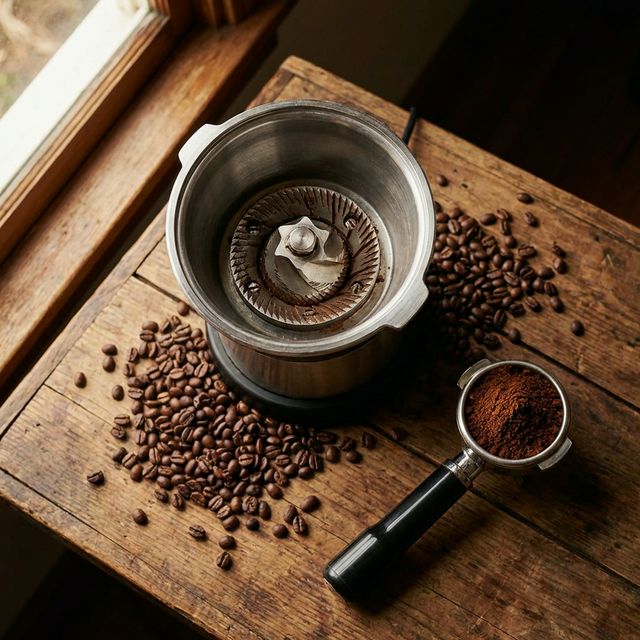
Not all espresso beans are created equal when you’re learning. The beans that win barista competitions often require extraordinary precision — exact temperature, perfect distribution, and grind adjustments measured in microns. As a beginner, you need beans that are forgiving: they taste good across a range of grind settings and extraction parameters.
According to SCA’s coffee flavor research, medium-dark roasted blends have the widest extraction sweet spot — the range of grind settings and yields that produce balanced, pleasant shots. This is because the roasting process has already developed sweetness and reduced sharp acidity, making the bean more tolerant of extraction variation.
What to look for:
- Roast level: Medium-dark (sometimes labeled “espresso roast” or “full city+”)
- Origin: Blends (Brazilian + Colombian base is classic) or forgiving single origins (Brazil, Colombia)
- Flavor notes: Chocolate, caramel, nuts, brown sugar — these indicate developed sweetness
- Avoid (for now): Light roasts, fruity/floral notes, single-estate washed Ethiopians
Our 5 Recommended Bean Profiles
1. Medium-dark Italian-style blend. The traditional espresso blend: 70-80% Brazilian base for chocolate and body, 15-25% Colombian for sweetness, sometimes 5-10% Robusta for crema. Roasted dark enough to taste “espresso-like” without being burnt. Forgiving with most grind settings and tastes great in milk drinks.
2. Colombian Supremo (medium roast). Colombia produces consistently balanced beans with caramel sweetness, mild acidity, and clean finish. A washed Colombian at medium roast is one of the safest choices for beginners learning to dial in — it has few surprises and a wide sweet spot.
3. Brazilian Santos (natural process). Brazilian naturals taste like chocolate, peanut, and brown sugar — classic “espresso” flavors. They’re low-acid, heavy-bodied, and extremely forgiving. If your grind is slightly off, a Brazilian natural will still taste decent, unlike a light-roast Ethiopian which will taste aggressively sour.
4. House espresso blend from a local roaster. Visit your nearest specialty roaster and ask for their house espresso blend. These are specifically designed to taste balanced across a range of brew parameters — they’re the roaster’s “daily driver” and are calibrated for consistency.
5. Supermarket espresso (as a starting point). Lavazza Super Crema or illy Medium Roast. These won’t win awards, but they’re reasonably fresh, very forgiving, and available everywhere. Perfect for your first few weeks of practice before investing in specialty beans.
Common Bean Mistakes to Avoid
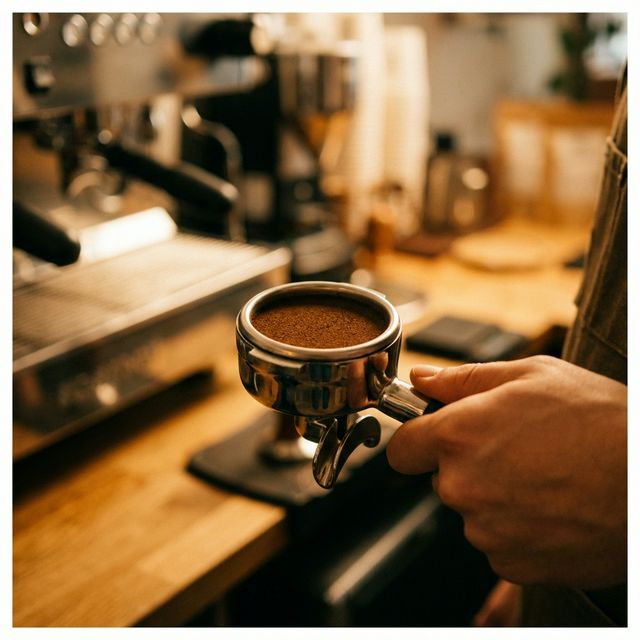
1. Starting with light roasts. Light roasts require finer grinds, higher temperatures, and more precise distribution than medium-dark beans. They taste amazing when dialed in, but sour and sharp when slightly off. Master your technique with forgiving beans first.
2. Buying pre-ground coffee. Pre-ground espresso goes stale within hours of grinding. Even the best pre-ground will taste significantly worse than mediocre beans freshly ground moments before brewing. A $100 burr grinder with fresh whole beans will outperform $30/bag pre-ground every time. See our grinder guide.
3. Ignoring roast dates. Look for beans with a clearly printed roast date (not “best by” date). Use them 7-21 days post-roast. Beans from supermarket shelves are often months old. For freshness, see our crema guide which explains how bean freshness affects your shots.
For current live picks and prices, browse the Espresso Insider product hub.
Best picks by use case
Best Espresso Beans for Beginners only becomes useful when you match each recommendation to a real routine instead of a generic buyer profile.
A compact apartment setup, a milk-drink-first routine, and a straight-shot hobbyist do not need the same answer even when they are shopping in the same category.
That is why we prefer a shorter list of picks with sharper buyer labels over a padded list that treats every pick like it suits everyone equally well.
If you need broader context after this page, compare the cluster hubs at our beginner bean picks and our crema guide.
What the product page will not tell you
Best Espresso Beans for Beginners should be filtered through daily routine, not just specs or affiliate bullets.
The product page almost never tells you whether cleanup feels annoying, whether the footprint is honest once accessories are nearby, or whether the best-case performance requires more patience than most owners want to give.
That missing context is where buyers get burned. A product can be technically good and still wrong for the person reading the roundup.
We care more about repeatability, counter reality, and what the tool still feels like after the honeymoon week than about whichever spec happens to be easiest to market.
Who should skip this category for now
Best Espresso Beans for Beginners is sometimes the wrong next purchase even when the products themselves are solid.
If stale beans, weak water, or inconsistent puck prep are still the real problem, a new purchase in this category can become a very expensive detour.
This is the part low-effort ranking pages avoid because it does not maximize the immediate click. It does protect the reader from solving the wrong problem.
If that sounds like your setup, spend ten minutes with the Espresso Insider product hub or the linked technique guides before adding more gear.
How we would narrow the list of picks at home
Best Espresso Beans for Beginners gets easier once you rank the tradeoffs instead of hoping one pick will magically do everything.
Start with the daily drink style, then list the one annoyance you most want to remove. After that, look at fit, maintenance, and whether the price jump buys an improvement you will actually notice in the cup or routine.
That order matters because it keeps the decision grounded in use, not in the fantasy version of your coffee life.
A sharper list of picks is usually the difference between a helpful commercial page and generic affiliate copy.
The tradeoffs most buyers underrate
Best Espresso Beans for Beginners: 5 Forgiving Roasts to Start With becomes much more useful once you name the downside each buyer is accepting.
Most roundup pages over-focus on the upside because it is easier to rank and easier to monetize. The more useful move is naming the compromise clearly: extra noise, more cleanup, less flexibility, weaker milk performance, or a footprint that only looks small in the product photo.
Once you say the downside out loud, the right buyer often becomes obvious. That is how a list of picks turns into an actual decision instead of another open browser tab.
It also keeps the page honest. The best pick for one reader can be the wrong buy for another without either product being bad.
How to judge whether the pick was actually right
Best Espresso Beans for Beginners: 5 Forgiving Roasts to Start With becomes much more useful once you name the downside each buyer is accepting.
After buying, ask whether the tool solved the frustration that actually triggered the search. Did the routine get easier? Did the cup improve in a meaningful way? Did cleanup become less annoying or more?
If the answer is no, the purchase may have been misaligned even if the product itself is decent. That feedback loop matters because it sharpens the next buying decision and protects the reader from repeating the same pattern.
A useful roundup should still help after the purchase, not only before it.
What a smart list of picks looks like after five minutes of honesty
Best Espresso Beans for Beginners: 5 Forgiving Roasts to Start With becomes much more useful once you name the downside each buyer is accepting.
A smart list of picks is usually smaller than people think. Once you get honest about budget, counter space, drink style, and patience for maintenance, the field narrows quickly.
That is why we would rather cut a pick than keep a weak recommendation alive for the sake of list length. A shorter list with stronger buyer logic is more helpful than a bloated article that performs certainty while dodging real tradeoffs.
Readers do not need more options. They need faster clarity about which options deserve serious attention and which ones should be ignored.
These are the active catalog products that still clear our usefulness gate for this topic right now.

Coffee Bean Direct Italian Roast Espresso
Coffee Bean Direct Italian Roast Espresso is a whole bean blend coffee built around Bold, Layered Flavor Profile – Enjoy a rich, full-bodied cup with deep chocolate notes complemented by hints of brightness and subtle…
See Current Offer
Filicori Zecchini Delicato Espresso Beans
Filicori Zecchini Delicato espresso beans represent over a century of Italian coffee tradition. This medium roast blend of Arabica and Robusta beans is slow-roasted in Bologna, delivering a smooth, balanced espresso…
See Current Offer
Bristot Decaf Italian Coffee Beans – Medium Roast Whole Espresso Beans – Smooth & Rich Flavor – 1.1 lb (500g) Bag – Roasted in Italy
Bristot Decaf Italian Coffee Beans – Medium Roast Whole Espresso Beans – Smooth & Rich Flavor – 1.1 lb (500g) Bag – Roasted in Italy is a decaf coffee built around DECAF ITALIAN ESPRESSO BEANS, Expert Blend of Arabica &…
See Current OfferFrequently Asked Questions
Before You Buy
Narrow the field to 2 to 4 options, compare the practical tradeoffs side by side, then click through to a retailer only after the choice is clear.