
Article Snapshot
What Matters First
Crema is an emulsion of coffee oils and CO2 created under 9 bars of brewing pressure. What Creates Espresso Crema?: Espresso crema is the caramel-colored foam layer that sits on top of a freshly pulled espresso shot.
What Creates Espresso Crema?
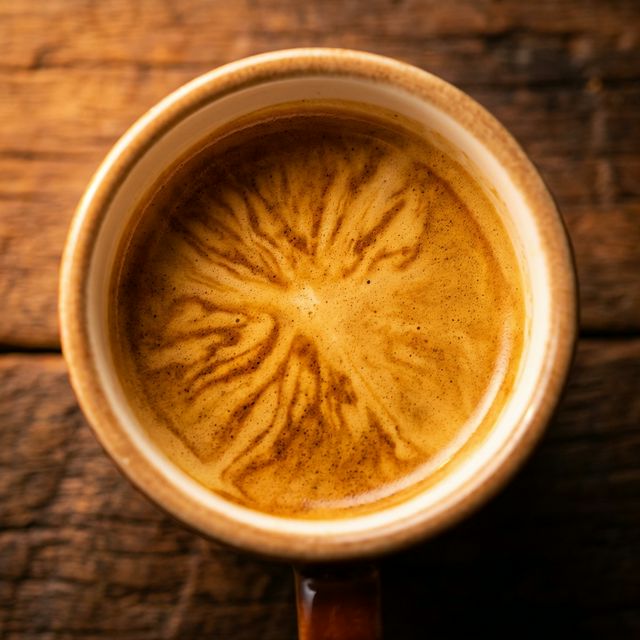
Espresso crema is the caramel-colored foam layer that sits on top of a freshly pulled espresso shot. It's not milk froth, and it's not just bubbles — it's a complex emulsion of coffee oils, suspended CO2 gas, and fine coffee solids that forms exclusively under high-pressure extraction. You'll never see crema from a drip coffee maker, French press, or pour-over because those methods don't generate the 9 bars of pressure needed to create it.
The science is straightforward: roasted coffee beans contain dissolved carbon dioxide — a byproduct of the roasting process. When hot water is forced through finely ground coffee at 9 bars of pressure, this CO2 is released into the liquid. As the espresso exits the portafilter and enters normal atmospheric pressure, the dissolved gas rapidly expands and gets trapped in the coffee's natural oils, creating the stable foam layer we call crema.
According to food chemistry research published in Food Chemistry, crema consists of approximately 55% liquid, 40% gas (mostly CO2), and 5% suspended solids, including melanoidins — the Maillard reaction compounds responsible for coffee's brown color and roasted flavors.
What Crema Actually Tells You (And What It Doesn't)
Baristas and home enthusiasts often treat crema as the ultimate indicator of espresso quality, but the relationship between crema and flavor is more nuanced than most people realize.
Crema reliably indicates:
- Bean freshness: Fresh beans (7-21 days post-roast) contain abundant CO2 and produce thick, lasting crema. Stale beans produce thin, pale crema that dissipates quickly.
- Extraction pressure: Proper 9-bar extraction creates crema. If your machine can't reach adequate pressure, crema will be thin or absent.
- Grind appropriateness: A correctly dialed-in grind creates the resistance needed for proper pressure build-up, resulting in crema formation.
What crema does NOT reliably indicate:
- Flavor quality: Crema is actually quite bitter on its own. A thick crema from Robusta beans (high CO2) can taste harsh. Some of the best-tasting single-origin light roast espressos produce thin crema but taste exceptional.
- Proper extraction: An over-extracted (bitter) shot can have beautiful crema. An under-extracted (sour) shot can also have decent crema. Crema shows freshness and pressure, not extraction accuracy.
Variables That Affect Crema Quality
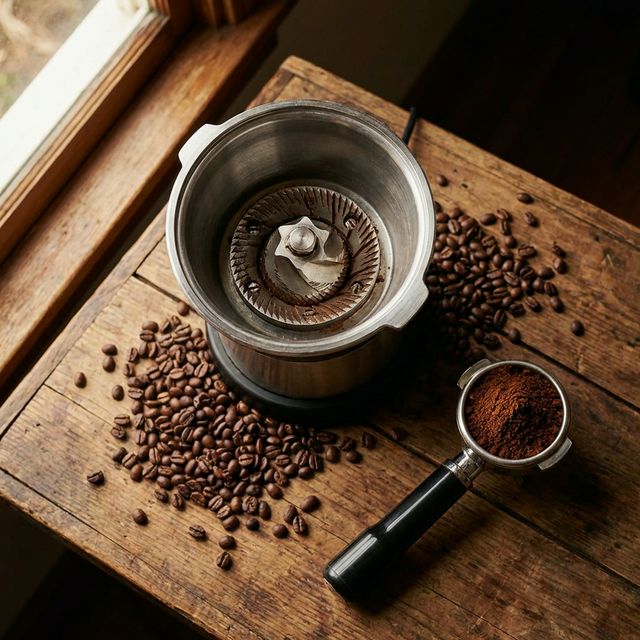
Bean age: This is the #1 factor. Beans peak for crema production between 7-14 days post-roast. Before 7 days, beans are still degassing too aggressively (causing channeling). After 21-28 days, insufficient CO2 remains for robust crema formation. Use beans within this window for optimal results.
Roast level: Darker roasts produce more crema because the roasting process creates more CO2 and surface oils. Light roasts produce less crema but often have more complex, bright flavors. This is why crema isn't a quality indicator — the darkest, most over-roasted beans can produce the most impressive-looking crema.
Bean variety: Robusta beans produce nearly twice the crema of Arabica beans due to higher oil content and more CO2 generation during roasting. Many Italian espresso blends include 10-20% Robusta specifically for crema enhancement. Read more about bean selection in our single origin vs blend guide.
Grind size: Too coarse = water flows too fast, minimal pressure build-up, thin crema. Too fine = water can't pass through, inconsistent extraction, potentially burnt flavors. The right grind creates 25-30 second extraction with 2-3mm thick crema. For grind size guidance, see our grind size and flavor guide.
Machine pressure: Consistent 9-bar pressure is necessary. Machines with unstable pressure or worn pumps produce inconsistent crema. If crema quality has degraded over time on the same machine with fresh beans, your pump may need servicing.
Reading Crema Colors
Crema color is a practical diagnostic tool during extraction:
| Crema Color | What It Means | Action |
|---|---|---|
| Golden-brown with tiger stripes | Optimal extraction | No adjustment needed |
| Very pale / blonde | Under-extraction (too coarse, too fast) | Grind finer |
| Very dark / nearly black | Over-extraction (too fine, too slow) | Grind coarser |
| Thin, dissipates quickly | Stale beans or pressure leak | Use fresher beans, check gasket |
| Bubbles / uneven patches | Channeling in the puck | Improve distribution and tamping |
Should You Skim or Stir Crema?
This is one of the most debated topics in espresso. World Barista Championship judges often skim crema before tasting because crema is intensely bitter and can mask the shot's true flavor profile. In informal settings, many specialty coffee professionals stir their shot to integrate crema into the liquid rather than drinking the bitter top layer first.
For home enjoyment, it's entirely personal preference. But if you're trying to evaluate a new bag of beans or dial in your grind, stirring or skimming crema will give you a more accurate read on the actual extraction quality. For more on extraction evaluation, check our dial-in guide.