
Decision Snapshot
Start With the Short Answer
A Ristretto uses the standard 18g dose but cuts the water yield in half (e.g., 18g to 18g). What Exactly Is a Ristretto?: The word "ristretto" comes from the Italian for "restricted" — and that tells you everything about this shot.
What Exactly Is a Ristretto?

The word "ristretto" comes from the Italian for "restricted" — and that tells you everything about this shot. A ristretto uses the same dose of ground coffee as a standard espresso (typically 18g), but you extract roughly half the liquid. Where a normal espresso yields 30-36ml over 25-30 seconds, a ristretto delivers just 15-20ml in 15-20 seconds.
This shorter extraction fundamentally changes the flavor chemistry of the shot. Coffee solubles don't dissolve all at once — they dissolve in a predictable sequence. Fruity acids and sweet caramel compounds extract first, followed by deeper chocolatey notes, and finally the bitter, ashy compounds that define over-extraction. By cutting the shot short, you're capturing the brightest, sweetest part of the extraction curve while leaving behind the bitter tail.
The result is an intensely concentrated, almost syrupy liquid with pronounced sweetness, reduced bitterness, and a thick, velvety body that coats your palate. According to Barista Hustle's extraction research, a properly pulled ristretto emphasizes the front-loaded sweet solubles that many espresso lovers find most appealing.
Ristretto vs Espresso vs Lungo: The Ratio Spectrum
Understanding where the ristretto sits on the extraction spectrum helps you dial it in and know when to use each style.
| Style | Brew Ratio | Output (18g dose) | Time | Flavor Profile |
|---|---|---|---|---|
| Ristretto | 1:1 to 1:1.5 | 18-27g | 15-20s | Sweet, syrupy, intense |
| Espresso | 1:2 | 36g | 25-30s | Balanced, complex |
| Lungo | 1:3 to 1:4 | 54-72g | 35-45s | Lighter, more bitter |
In our testing, the sweet spot for most medium-roast beans is a 1:1.5 ratio — 18g in, 27g out. This gives you the ristretto's signature sweetness without the overwhelming intensity of a true 1:1 shot. For darker roasts, a tighter 1:1 ratio can tame bitterness beautifully. For a deeper dive into how ratios change flavor, see our espresso ratios guide.
Equipment You Need
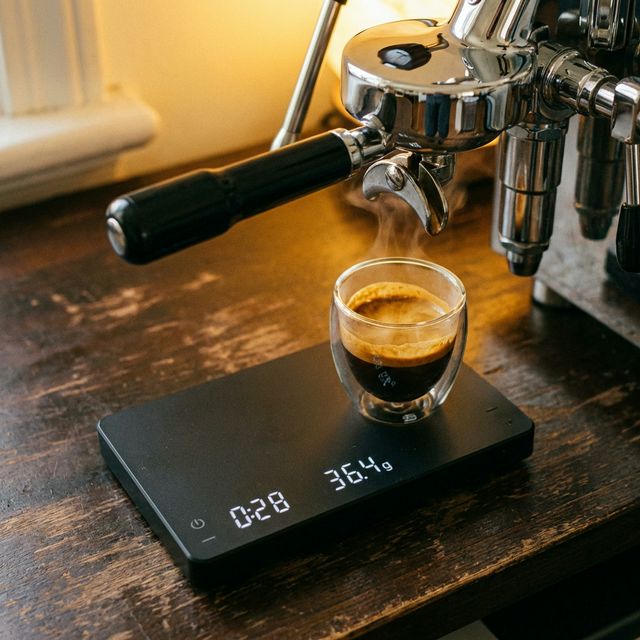
Pulling a great ristretto doesn't require special equipment — just your standard espresso setup with one addition: a precision scale. Because you're working with such small volumes, eyeballing the output simply doesn't work. A gram of difference at ristretto volumes can shift the entire flavor profile.
Essential equipment:
- Espresso machine capable of stable 9-bar pressure
- Burr grinder with fine-adjustment capability (stepless preferred)
- Precision scale (0.1g accuracy) with timer — this is non-negotiable for ristretto
- Distribution tool or WDT — even more critical at ristretto grind sizes where channeling risk increases

BAGAIL BASICS Coffee Scale with Timer
The BAGAIL BASICS coffee scale is engineered for precision brewing, whether you're dialing in espresso or perfecting your pour-over. Its high-precision sensor measures in 0.1g increments, providing the accuracy needed…
See Current OfferA scale with a built-in timer lets you track both weight and time simultaneously, so you can stop the shot at the exact right output. In our testing, the difference between 18g and 22g output is the difference between a sweet, balanced ristretto and a sour, under-extracted disappointment.
Step-by-Step: Pulling the Perfect Ristretto
Here's the exact routine we use at the Espresso Insider testing lab:
Step 1: Dose and grind. Weigh 18g of beans and grind 2-3 clicks finer than your standard espresso setting. Ristretto needs a finer grind because the shorter extraction time means water has less contact time with the coffee — finer particles increase surface area to compensate.
Step 2: Distribute and tamp. Use a WDT tool to break clumps (they're more common at finer grinds), then tamp level and firm at 30 pounds of pressure. Channeling is the enemy of ristretto — any weak spot in the puck will be magnified because you're extracting so little liquid. For detailed puck prep technique, check our puck prep guide.
Step 3: Start extraction. Lock in the portafilter, place your cup on the scale, tare to zero, and start the shot. Watch the scale, not the clock.
Step 4: Stop at the target weight. For a 1:1.5 ratio with an 18g dose, stop the shot when the scale reads 25-27g (accounting for 1-2g of drip after you stop the pump). The total time should be roughly 15-20 seconds — if it's much faster, grind finer; much slower, grind coarser.
Step 5: Taste and adjust. A good ristretto should taste intensely sweet with caramel or fruit notes and virtually no bitterness. If it tastes sour or sharp, your grind is too coarse or your dose is too low. If it tastes bitter or hollow, you've extracted too much — try stopping the shot earlier.
Common Mistakes to Avoid
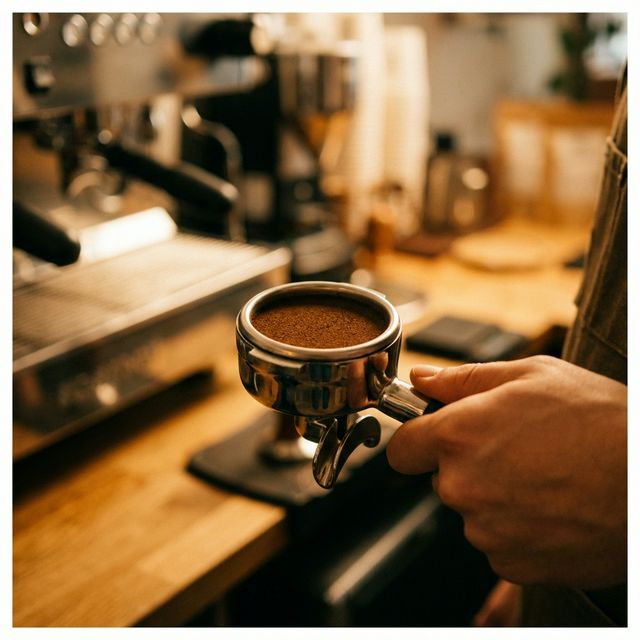
Mistake 1: Using your normal espresso grind. The most common error. If you don't grind finer for ristretto, the shorter extraction produces a sour, thin, under-extracted shot. Always adjust 2-3 clicks finer when switching from espresso to ristretto.
Mistake 2: Judging by time instead of weight. A ristretto's extraction time varies with grind size, dose, and machine pressure. Time is an indicator, not a target. Always stop based on the output weight on your scale.
Mistake 3: Pulling ristretto with stale beans. The concentrated nature of ristretto amplifies every flaw. Stale beans that taste "okay" in a full espresso will taste woody and flat as a ristretto. Use beans within 7-21 days of roast date.
Mistake 4: Skipping distribution. Finer grinds clump more. Clumps cause channeling. Channeling in a ristretto means half your puck is under-extracted (sour) and half is over-extracted (bitter). Always use a WDT tool. See our dial-in guide for more on avoiding channeling.
When to Use a Ristretto
Ristretto isn't always the right choice. Here's when it shines and when to skip it:
- Milk drinks: A double ristretto base is phenomenal in cortados, flat whites, and small lattes. The concentrated sweetness cuts through milk beautifully without that bitter espresso edge. Many specialty cafes default to ristretto for all milk beverages.
- Dark roasts: Darker beans already lean bitter. Ristretto tames that by cutting the extraction before the harsh compounds dissolve.
- Afternoon pick-me-up: Slightly less caffeine than a full espresso but maximum flavor intensity in a small volume.
- Skip ristretto for: Americanos (you need the volume), and when you're still dialing in a new bag (start with standard espresso ratio to understand the bean's full profile first).
Frequently Asked Questions
Before You Buy
Narrow the field to 2 to 4 options, compare the practical tradeoffs side by side, then click through to a retailer only after the choice is clear.